
ABC
Featured Show:
Foul-Ups, Bleeps & Blunders
Foul-Ups, Bleeps & Blunders is the title of a comedy series that aired on ABC for two short seasons in the mid-1980s. The series is hosted by Steve Lawrence and Don Rickles. Produced as a response to NBC's TV's Bloopers & Practical Jokes, this series similarly focused on outtakes from popular television programs and movies. The series also included a Candid Camera-like segment showing people caught in amusing situations by hidden cameras. The word blooper was not allowed to be uttered, with the term "foul-up" substituted where applicable. The series debuted on January 10, 1984 as a mid-season replacement series, and returned at the start of the 1984-85 season, however after October 1984 the show ceased to be a weekly offering on ABC and instead aired at various times as filler for the next few months before resuming weekly broadcast in the spring, after which it was cancelled.
ABC TV Shows
1609 shows • Page 42 of 81

Foul-Ups, Bleeps & Blunders
Foul-Ups, Bleeps & Blunders is the title of a comedy series that aired on ABC for two short seasons in the mid-1980s. The series is hosted by Steve Lawrence and Don Rickles. Produced as a response to NBC's TV's Bloopers & Practical Jokes, this series similarly focused on outtakes from popular television programs and movies. The series also included a Candid Camera-like segment showing people caught in amusing situations by hidden cameras. The word blooper was not allowed to be uttered, with the term "foul-up" substituted where applicable. The series debuted on January 10, 1984 as a mid-season replacement series, and returned at the start of the 1984-85 season, however after October 1984 the show ceased to be a weekly offering on ABC and instead aired at various times as filler for the next few months before resuming weekly broadcast in the spring, after which it was cancelled.
TV's Bloopers & Practical Jokes
TV's Bloopers & Practical Jokes is an American television series. Debuting as a weekly series, new episodes have been broadcast as infrequent specials during most of its run. It premiered on NBC in 1984, moved to ABC in 1998, and was revived in syndication in 2012. The NBC run of the series was co-produced by Carson Productions and Dick Clark Productions, and the ABC and syndication runs have been produced solely by Dick Clark Productions.
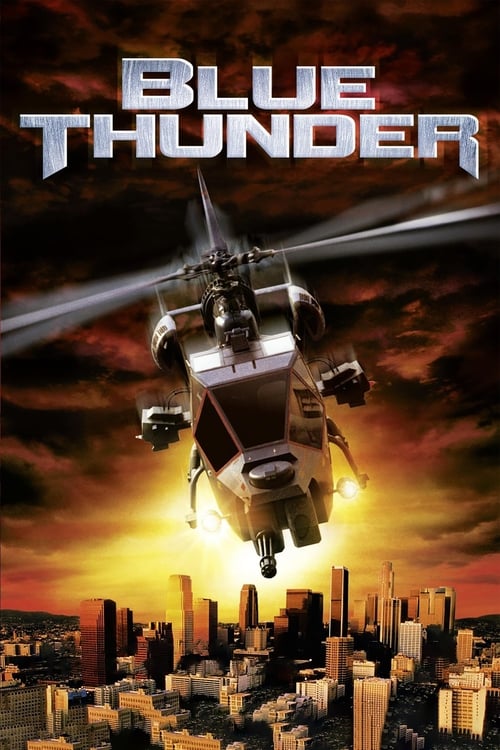
Blue Thunder
Blue Thunder is a 1984 ABC television series based on the movie of the same title featuring the Blue Thunder helicopter. The series uses the converted Aérospatiale Gazelle helicopter and large portions of stock footage from the 1983 film. A ground unit named "Rolling Thunder" backed up the helicopter in the television series. This was a large support van with a desert camouflage off-road vehicle stored inside. The television series cast includes James Farentino, Dana Carvey, and former professional American football players Bubba Smith and Dick Butkus. The series was canceled by ABC after they felt the similar Airwolf on CBS would win the ratings battle. Also, the series aired at the same time as the CBS soap opera Dallas on Friday nights, and lost. Eleven episodes were made before the series was cancelled.

Walt Disney World Very Merry Christmas Parade
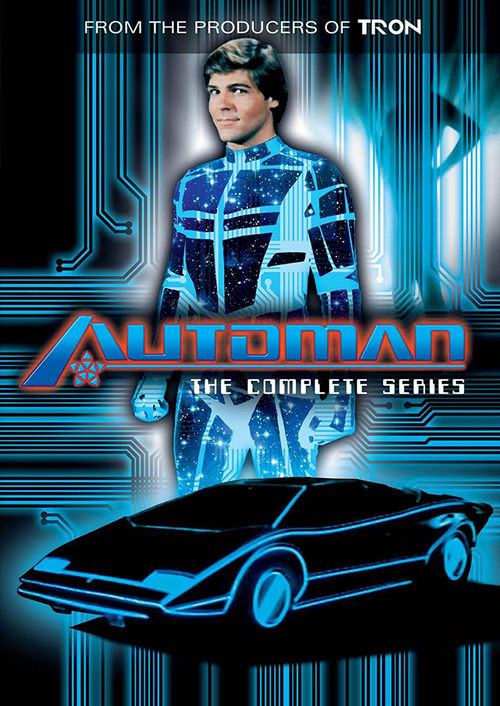
Automan
Automan is an American science fiction superhero television series produced by Glen A. Larson. It aired for only 12 episodes on ABC between 1983 and 1984.

Masquerade
Masquerade is an American espionage television series that aired for a few months on ABC in the spring of 1983.
It's Not Easy
Jack and Sharon are a divorced couple who live across the street from each other. Together, they raise their 11-year-old daughter Carol and 8-year-old son Johnny with the help of Jack's mother Ruth and Sharon's new husband Neal , who has a 14-year-old son of his own, Matthew.
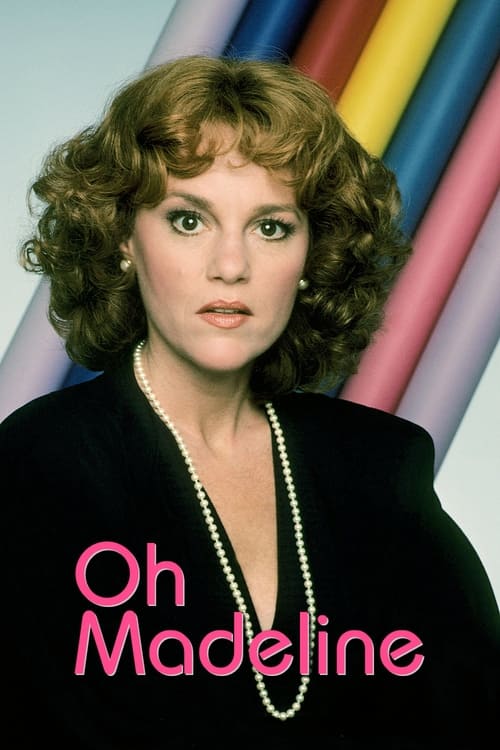
Oh Madeline
Oh Madeline was an American sitcom that was broadcast on ABC from September 27, 1983 to March 13, 1984. Starring Madeline Kahn, the show revolved around Madeline Wayne, a housewife bored after 10 years of marriage to Charlie, a sweet but square man who made his living writing steamy romance novels under the name Crystal Love. Madeline's best friend was Doris, a timid divorcee previously married to Charlie's best friend, a middle-aged swinger named Bob. Annie was Charlie's amorous editor. Madeline, bored with her predictable, sedate existence in a middle-class suburb, and wanting to put some zest back in into her life, decides to try every trendy diversion that she can find - such as seaweed-based health foods, exercise clubs, and "ladies only" clubs featuring male strippers. The show contained a lot of slapstick comedy, as well as marital misunderstandings in the tradition of I Love Lucy.
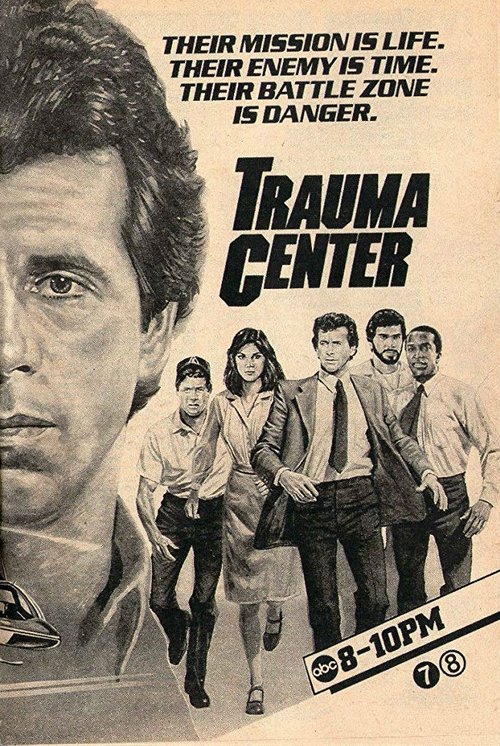
Trauma Center
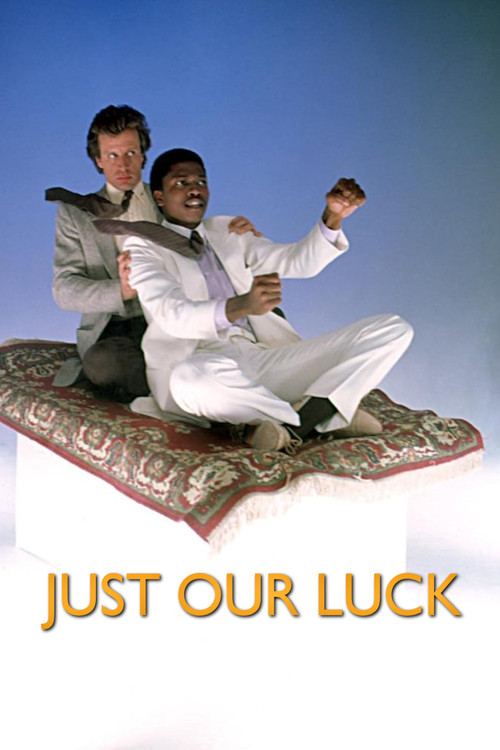
Just Our Luck
Just Our Luck is a short-lived American sitcom which aired on the American Broadcasting Company in the fall of 1983. Created by brothers Lawrence and Charles Gordon, it was considered a modernized version of the classic 1960s sitcom I Dream of Jeannie. The series stars Richard Gilliland as a mild-mannered TV weatherman for KPOX-TV, and T. K. Carter as a hip, fun-loving 3,000-year-old genie who is freed by Gilliland after being imprisoned in his bottle for nearly two centuries. The series was produced by Lorimar Productions, and initially promoted by ABC as one of its new ambitious comedies along with Webster. Just Our Luck was created to compete against The A-Team on NBC but earned low ratings for much of its run. It was poorly received by critics, however, and was the subject of controversy when the NAACP charged the show with promoting negative stereotypes of African-Americans. The NAACP originally campaigned to have the show removed but later settled for a degree of creative control in the show's development. This included changes to Carter's dialogue, the hiring of black staff writers and the addition of Leonard Simon to the cast. The show was cancelled after three months.
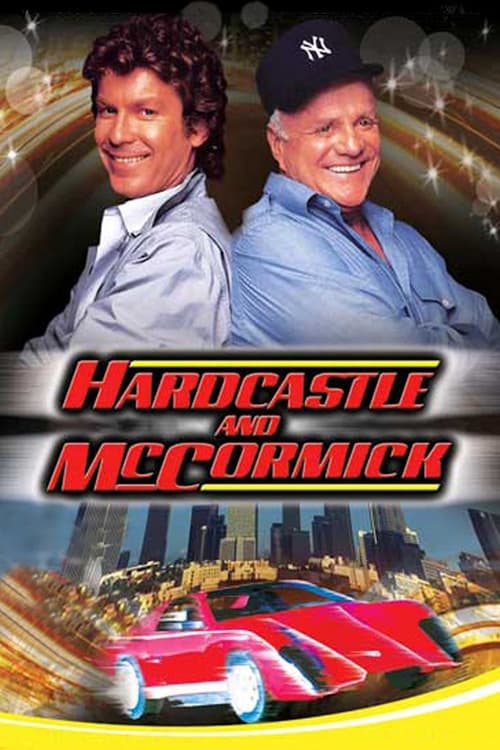
Hardcastle and McCormick
Hardcastle and McCormick is an American action/drama television series from Stephen J. Cannell Productions, shown on ABC from 1983 through 1986. The series stars Brian Keith as Judge Milton C. Hardcastle and Daniel Hugh Kelly as ex-con and race car driver Mark "Skid" McCormick. The series premise was somewhat recycled from a previous Cannell series, Tenspeed and Brown Shoe.
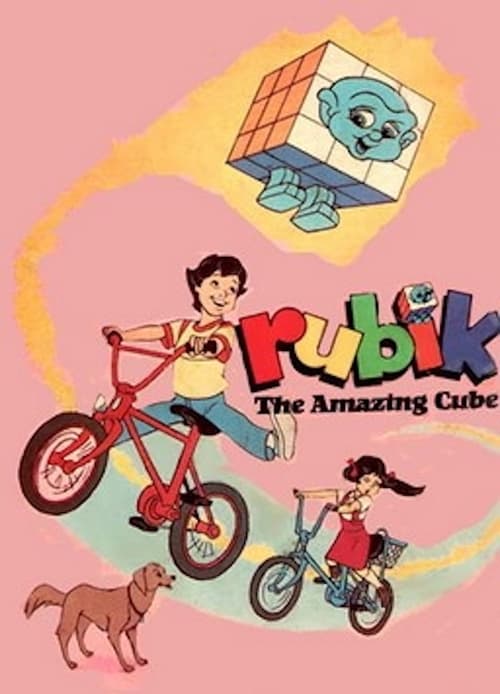
Rubik, the Amazing Cube
Rubik, the Amazing Cube is a Saturday morning cartoon that aired from September 10, 1983 to September 1, 1984 in the United States, produced by Ruby-Spears Productions. The program, broadcast as part of The Pac-Man/Rubik, the Amazing Cube Hour block on ABC, featured a magic Rubik’s Cube named Rubik who could fly through the air and had other special powers. Rubik could only come alive when the colored squares on his sides had been matched up. It was the first Saturday morning cartoon show to feature Latino children as the main characters.
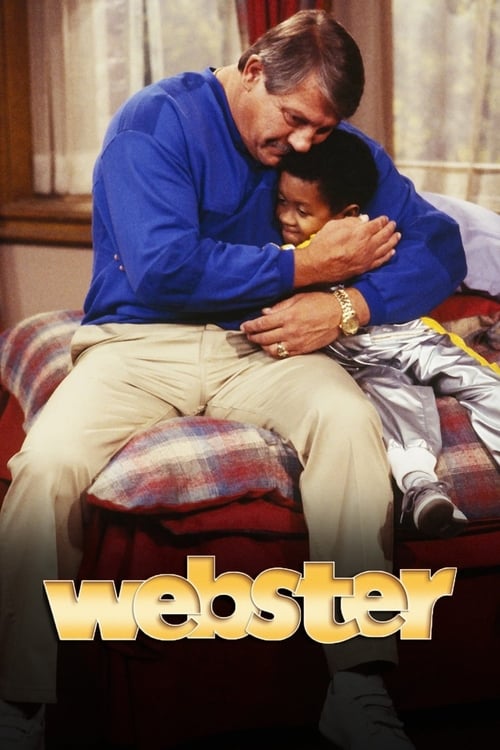
Webster
Webster is an American situation comedy that aired on ABC from September 16, 1983 until May 8, 1987, and in first-run syndication from September 21, 1987 until March 10, 1989. The series was created by Stu Silver. The show stars Emmanuel Lewis in the title role as a young boy who, after losing his parents, is adopted by his NFL-pro godfather, portrayed by Alex Karras, and his new socialite wife, played by Susan Clark. The focus was largely on how this impulsively married couple had to adjust to their new lives and sudden parenthood, but it was the congenial Webster himself who drove much of the plot. The series was produced by Georgian Bay Ltd., Emmanuel Lewis Entertainment Enterprises, Inc. and Paramount Television. Like NBC's earlier hit Diff'rent Strokes, Webster featured a young African-American boy adopted by a white family.
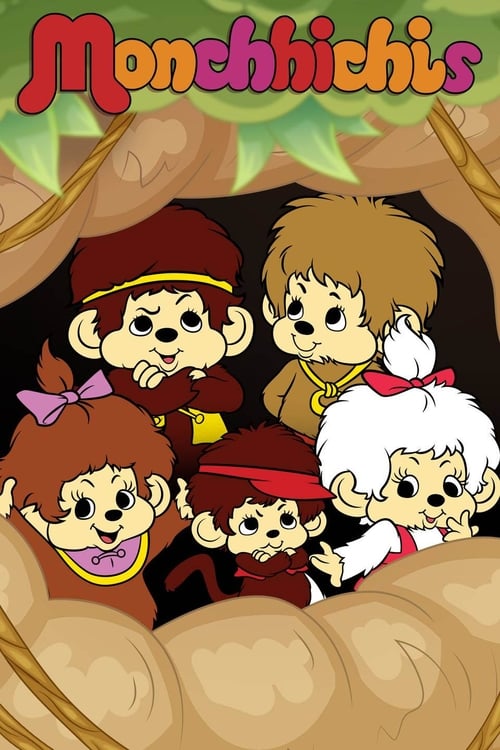
Monchhichis
Hanna-Barbera monkeyshines about the Monchhichis, creatures that live in tall trees and have enemies called Grumplins.

The Littles
The Littles is an animated television series based on The Littles characters in a series of children's novels by American author John Peterson, the first of which was published in 1967. This cartoon was produced by a French/American/Canadian animation studio, DIC Entertainment, and as standard practice for TV cartoons of the period, the animation production was outsourced overseas to the Japanese studio TMS Entertainment. It was post-produced by a Canadian Animation studio, Animation City Editorial Services.
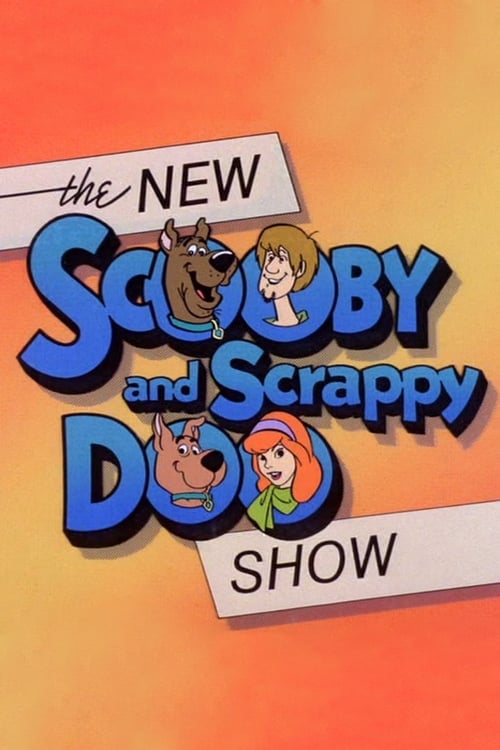
The New Scooby and Scrappy-Doo Show
The New Scooby and Scrappy Doo Show is the sixth incarnation of the Hanna-Barbera Saturday morning cartoon Scooby-Doo. It premiered on September 10, 1983, and ran for one season on ABC as a half-hour program made up of two eleven-minute short cartoons. The show is a return to the mystery solving format and reintroduces Daphne after a four-year absence. The plots of each episode feature her, Shaggy, Scooby-Doo, and Scrappy-Doo solving supernatural mysteries under the cover of being reporters for a teen magazine.
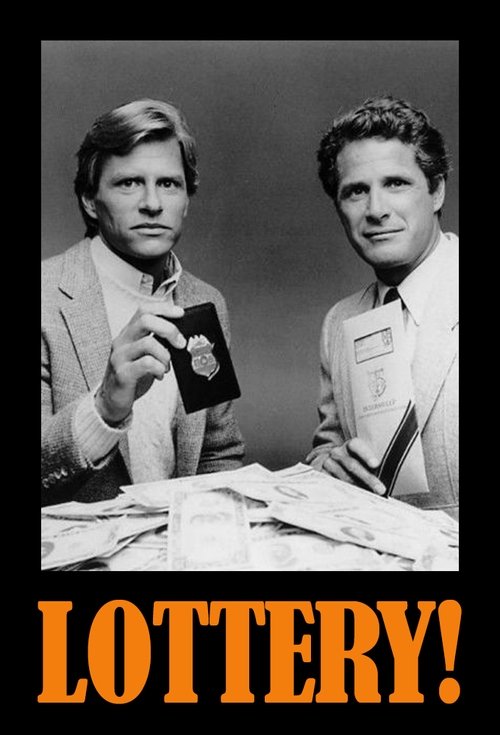
Lottery!
Lottery! is an American drama series that premiered on ABC on September 9, 1983. The series aired for one season of 17 episodes and starred Ben Murphy as Patrick Sean Flaherty, and Marshall Colt as Eric Rush. Lottery! centered around ordinary people who have won the lottery--all of a sudden becoming millionaires--and how it changes their lives.
Two Marriages
Two Marriages is an American dramatic television series that aired from August 23, 1983 until April 26, 1984.
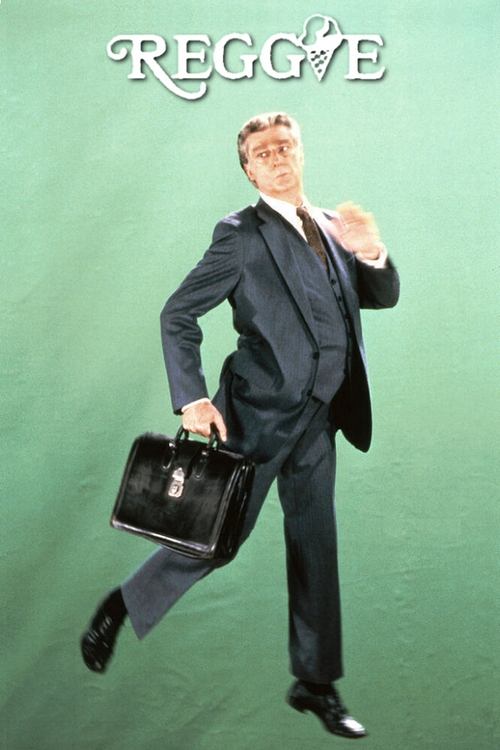
Reggie
Reggie is the story of Reggie Potter, a 47-year-old executive of Fun Time Ice Cream Desserts headquartered in Little Neck, Long Island, who confronts middle age through Walter Mitty-like fantasies. It is an American sitcom television series that aired on ABC from August 2 until September 1, 1983. Based on the British sitcom The Fall and Rise of Reginald Perrin.
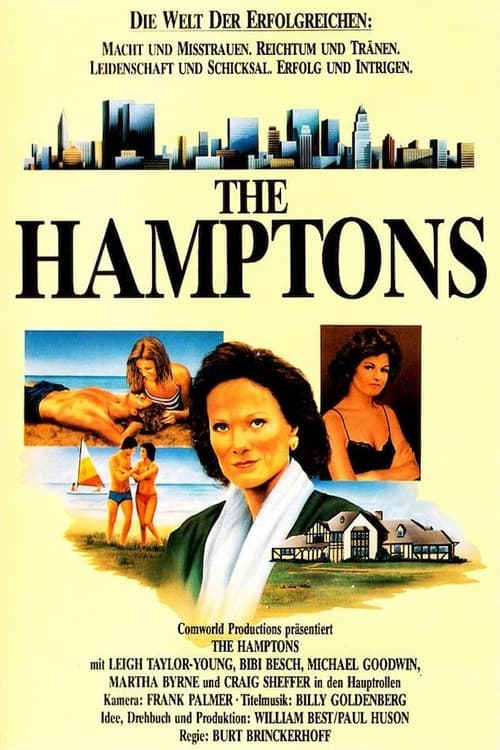
The Hamptons
The Hamptons is a limited run prime-time soap opera which aired during the summer of 1983 for 5 episodes on ABC. It was produced by Gloria Monty, the producer credited with turning General Hospital from a low-rated daytime serial to a soap phenomenon. The series is set in Manhattan and the affluent Long Island community referenced in the show's title. The cast includes actors with previous experience in daytime and prime-time serials: Leigh Taylor-Young, Michael Goodwin, John Reilly Bibi Besch, etc. The series was shot on videotape rather than film, which gave it a look consistent with most daytime soap operas. The focus of the series was on the wealthy Chadway and Duncan-Mortimer families, who co-owned the stylish Duncan-Chadway department stores. The Chadways were positioned as the noble family, while the Duncan-Mortimers were the schemers. The plots concerned power maneuvers to gain control of the retail corporation, and illicit sexual couplings.