

Seven Network
Featured Show:
Big Brother
Big Brother is an Australian reality show based on the international Big Brother format created by John de Mol. Following the premise of other versions of the format, the show features a group of contestants, known as "housemates" who live together in a specially constructed house that is isolated from the outside world. The housemates are continuously monitored during their stay in the house by live television cameras as well as personal audio microphones. Throughout the course of the competition, housemates are evicted from the house - eliminated from the competition. The last remaining housemate wins the competition and is awarded a cash prize.
Seven Network TV Shows
332 shows • Page 9 of 17
Big Brother
Big Brother is an Australian reality show based on the international Big Brother format created by John de Mol. Following the premise of other versions of the format, the show features a group of contestants, known as "housemates" who live together in a specially constructed house that is isolated from the outside world. The housemates are continuously monitored during their stay in the house by live television cameras as well as personal audio microphones. Throughout the course of the competition, housemates are evicted from the house - eliminated from the competition. The last remaining housemate wins the competition and is awarded a cash prize.

The Weakest Link
The Weakest Link was an Australian game show based on the successful UK format, which aired from February 2001 until April 2002 and was broadcast on the Seven Network. Presented by Cornelia Frances, the show featured nine contestants competing for a potential prize of $100,000. Airing twice weekly in primetime, on Mondays and Fridays, later Thursdays, it received modest ratings until its cancellation. The Monday edition indirectly competed against the more-popular Who Wants to Be a Millionaire? and the Friday edition served as a lead-in to the AFL telecasts in Victoria, South Australia and Western Australia only. Later on in the year, The Weakest Link was moved to Thursdays at 7:30pm. In 2002, the show aired only once a week, on Mondays. Due to poor ratings, the show was cancelled for good with one of the final episodes being a lifestyle special that aired on 8 April 2002. The show was produced in the Seven Network's South Melbourne headquarters.
Li'l Horrors
Takes place in the home of horror actress Morbidda Bates. The series follows the adventures of little monster characters based on classic, fictional horror characters such as Count Dracula, Frankenstein's Monster, The Mummy, The Werewolf, Swamp Thing, Zombie, Quasimodo, Medusa and Gargoyles.
The Big Arvo
The Big Arvo is an Australian television series that was broadcast on the Seven Network from 1999 until 2005. It starred four hosts, who hosted the show in a large model bus. They had segments such as "cool job" and "dare" to amuse younger viewers and to teach viewers who had outgrown Play School. The show appeared in K-Zone magazine to celebrate 500 episodes. It had begun in a morning timeslot under the name of The Big Breakfast, before moving to the afternoon to make way for AMV: All Music Video and Sunrise.
 0
0Treasure Island (AU)
 0
0Gloria's House
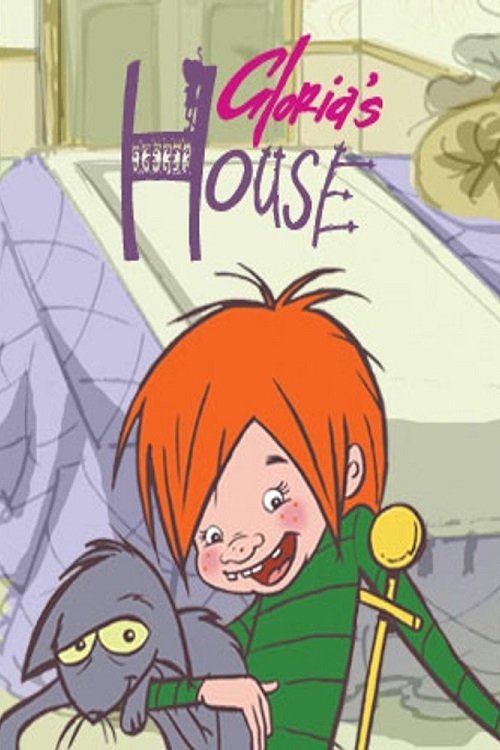
Gloria's House is the messiest house in a street full of perfect homes but it's a lot more fun than any of the other squeaky clean places in Chillsville.
0The Dream with Roy and HG
The Dream with Roy and HG was a sports/comedy talk show, broadcast every night during the Sydney 2000 and Athens 2004 Olympics, presented by Australian comedy duo Roy and HG. Their telecasts became one of the most popular events of the Games, with Olympians from all nations queueing up to appear. The gifts given to interviewees became some of the most valuable collectors' items of the Games. Due to the attention on Australia as the host nation, the 2000 season took the form of a two hour show and was made available to Olympic broadcasters internationally; the 2004 season was a one hour show broadcast in Australia only. The pair became well known for their commentary of certain events, particularly the men's gymnastics, where they coined terms for various movements - including adapted vernacular such as "battered sav" and "Chiko Roll", and other inventions like "flat bag", "Dutch wink" and "hello boys" - that became familiar to viewers worldwide. Other running jokes included showing slow-motion clips of Greco-Roman Wrestling accompanied by raunchy Barry White music and the very snugly fitting outfits worn by the male Rowing teams. They also popularised Fatso the Fat-Arsed Wombat as their mascot, dismissing the official mascots as "Ollie, Millie, and Dickhead". This was emphasised in a satirical diving contest between Fatso, the three official mascots, and the Boxing Kangaroo later in the games. Fatso's huge popularity during the series caused consternation with the Australian Olympic Committee, who at first tried to ban the character from Olympic events after Australian athletes appeared carrying Fatso dolls at medal ceremonies. When auctioned for charity at the end of the series, Fatso was purchased by Seven Network CEO Kerry Stokes for A$80,450. A statue of Fatso has since been erected at the Olympic Park site.
The Potato Factory
The Potato Factory tells the story of three strong-willed people battling against a background of hardship and poverty to escape a past that tries to catch up with them. Based on the best-selling novel by iconic Australian author Bryce Courtenay.
The Mole
The Mole has had five seasons of its Australian version, with the latter two taking place overseas in New Caledonia and New Zealand respectively. It is a reality television program with a twist. Not only does it not contain a public vote, but one of the 'contestents' on the show is trying to do everything in his or her power to prevent the others from winning the money on offer. It is up to the real contestents to work out who this person is, and the one who knows the least about their identity, as calculated through a computer quiz, is eliminated from the show. But who is this traitor? Who is the saboteur? Who is the mole?
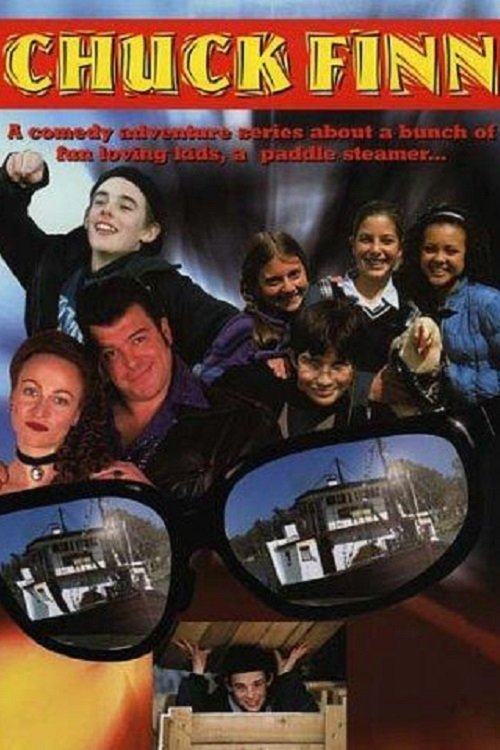
Chuck Finn
A group of kids try to run a successful riverboat business with the help of some ghostly friends.
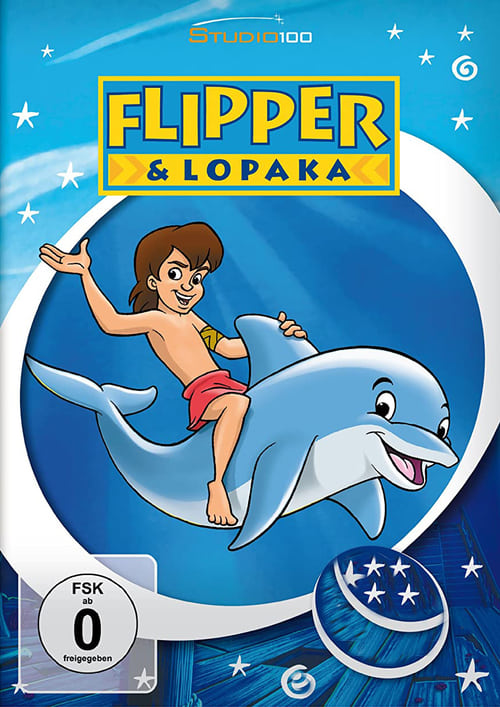
Flipper and Lopaka
Flipper and Lopaka follows the adventures of Lopaka, a boy granted the ability to speak with marine animals, on his tribe's island home and the undersea city of Quetzo.
0Wipeout
Wipeout was an Australian game show that aired on the Seven Network from 1999 to 2000. The show was based on the original American series of the same title and was hosted by Tony Johnston. This version was the only one to use children as contestants, and in turn used points instead of dollars.
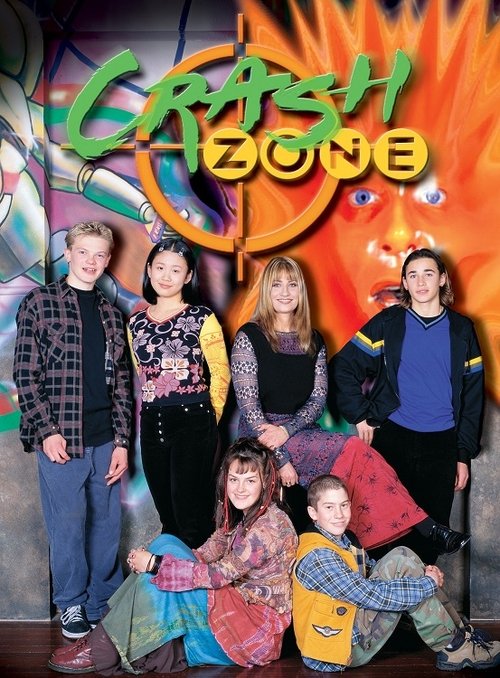
Crash Zone
Crash Zone is an Australian children's science fiction television series which aired on the Seven Network from 1999 to 2001. It was produced by Australian Children's Television Foundation, in association with the Disney Channel, and ran for 26 episodes. The series starred five high school students, "high-tech whiz kids" of varied backgrounds, who are hired by the president of the Catalyst software company to save her failing business. The premise of the series was unique in that it was one of the first series to examine the early use of the internet as well as the video game industry and artificial intelligence.
Tribe
An idyllic holiday cruising the backwaters of the South Pacific becomes a voyage into hell for a group of passengers on board The Sea Tramp. The magnificent sailing boat is set upon by modern day pirates and seized in a bloody battle which claims the lives of many. Those who escape the pirates find themselves marooned on a deserted tropical island. Putting aside their not inconsiderable differences, they band together to ensure their own survival. With the constant threat that the murderous pirates will return to finish the job, the members of this tribe depend on each other for their very existence. But they will soon discover they not only have to protect themselves from external threats, but from the treachery of one of their own as well.
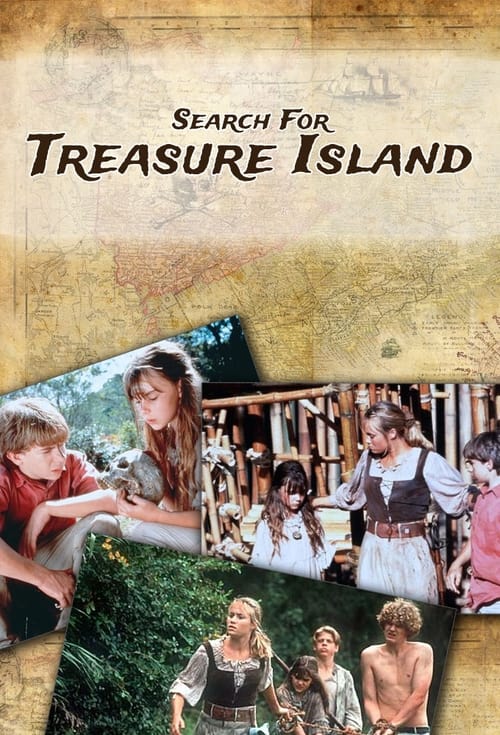
Search for Treasure Island
Seven people get shipwrecked on an island that turns out to be the famous "Treasure Island" from Robert L. Stevenson's famous novel. But the island is occupied by three tribes, each of them very dangerous. The shipwrecked have to fight for their lives and have to find a way to escape from the island.
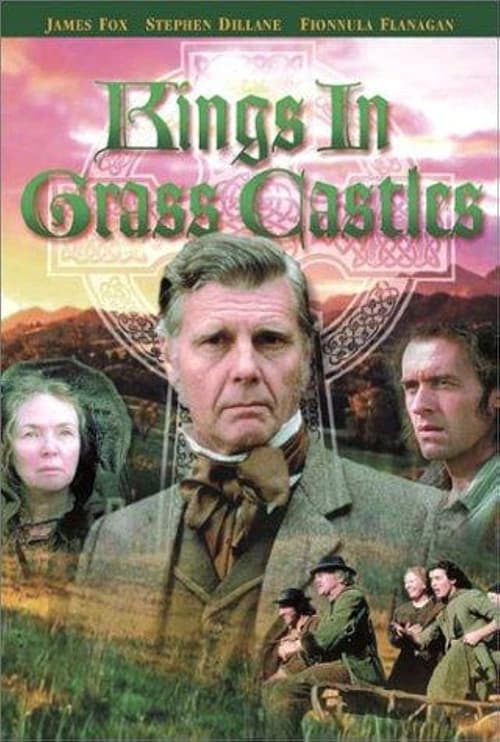
Kings in Grass Castles
The life of an Irish immigrant family in Australia in the second half of the 19th century. Based on a 1959 book of history by Dame Mary Durack.
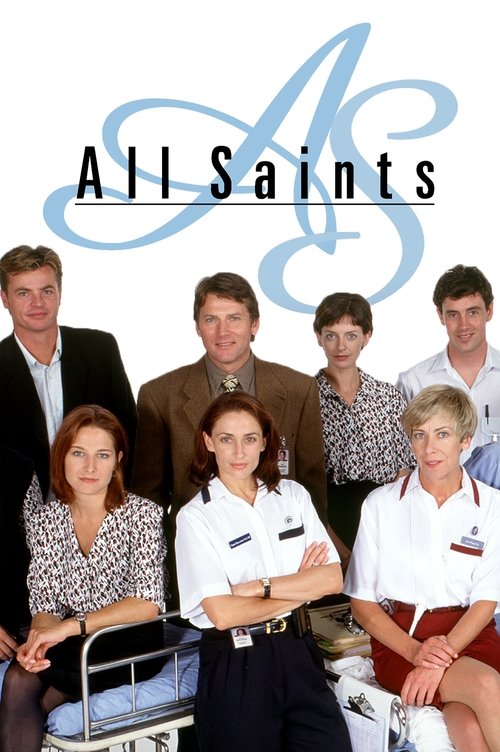
All Saints
Medical drama focusing on the working and personal lives of the doctors and nurses working on the front line of a busy inner city Emergency Department at All Saints Hospital.
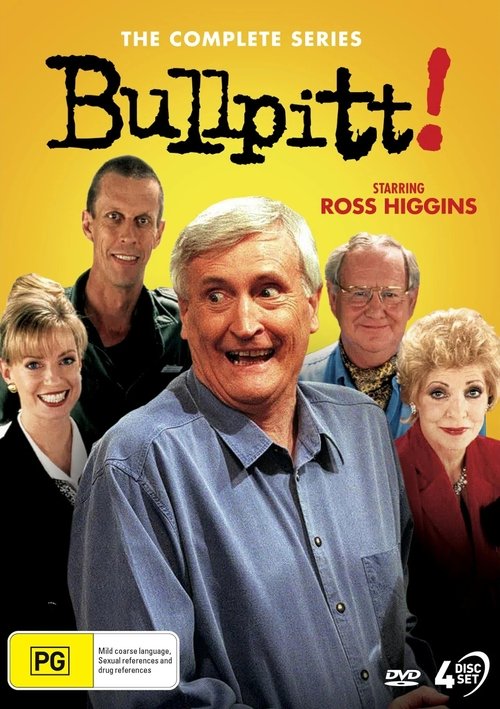
Bullpitt!
Bullpitt! sees the return of the character Ted Bullpitt (from Kingwood Country). The legend of Wombat Crescent has packed up the Kingswood, loaded Neville the statue and moved into “Whispering Pines” retirement village. Australia’s favourite hero, Ted Bullpitt, tries to retire gracefully but can’t help plunging the village into chaos and confusion.
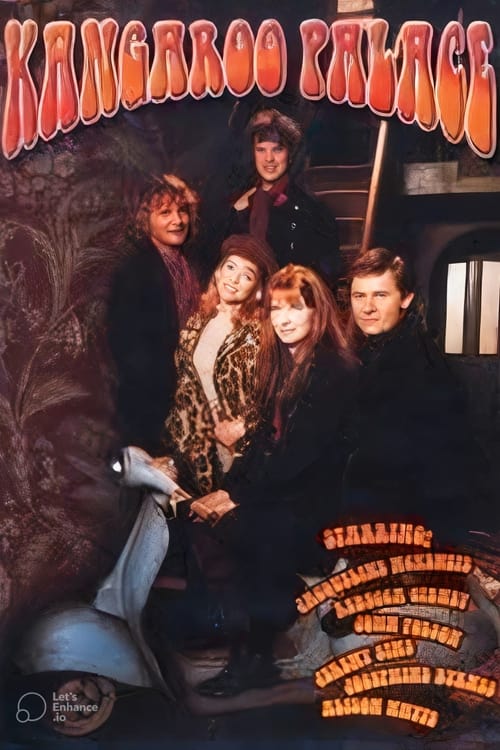
Kangaroo Palace
The story of four young Australians trying their luck in 1960's London.
Who Dares Wins
Who Dares Wins is an Australian adventure game show that aired on the Seven Network between 1996 and 1998, with re-runs airing in 2005 and 2007. Hosted by former test cricketer Mike Whitney and co-hosted by Tania Zaetta, the show has been screened in over 50 countries around the world. As an adventure game show in which contestants are expected to complete undesirable tasks in order to win prizes, Who Dares Wins could be considered a precursor to contemporary reality TV series such as Fear Factor. It was created by David Mason and Adrian Brant.