
ITV1
Featured Show:
The Aweful Mr Goodall
The Aweful Mr Goodall is a six-episode 1974 British television drama produced by Richard Bates and starring Robert Urquhart as Jack Goodall, a retired MI5 agent who investigates various mysteries, often involving smuggling and international intrigue, with help from travel agent Alexandra Winfield.
ITV1 TV Shows
2077 shows • Page 81 of 104
 0
0The Aweful Mr Goodall
The Aweful Mr Goodall is a six-episode 1974 British television drama produced by Richard Bates and starring Robert Urquhart as Jack Goodall, a retired MI5 agent who investigates various mysteries, often involving smuggling and international intrigue, with help from travel agent Alexandra Winfield.
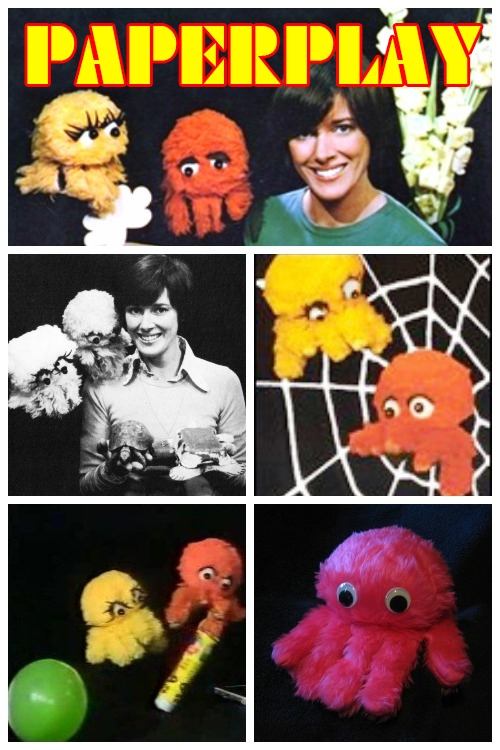
Paperplay
Children's programme that makes use of household waste products in a creative way, presented by Susan Stranks and assisted by puppet spiders, Itsy and Bitsy.
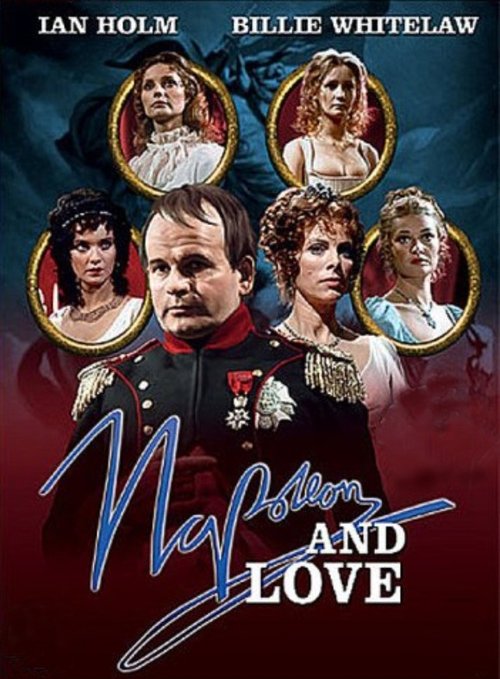
Napoleon and Love
Napoleon and Love is a British television miniseries produced by Thames Television for ITV, lasting for nine episodes from 5 March to 30 April 1974. The series stars Ian Holm in the title role as Napoleon and depicts his relationships with the women who featured in his life as a backdrop to his rise and fall.
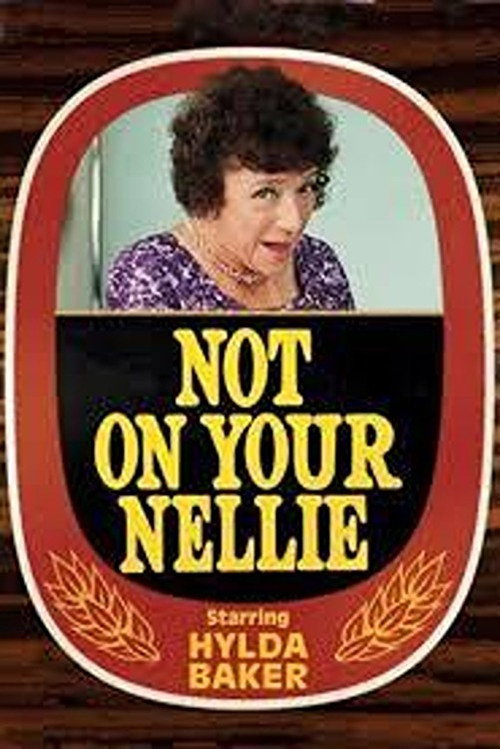
Not on Your Nellie
When Jed Pickersgill finds himself too ill to run his Chelsea pub, The Brown Cow, he calls upon his middle-aged daughter Nellie for help. Nellie moves from Bolton to London to help, despite being a teetotal.
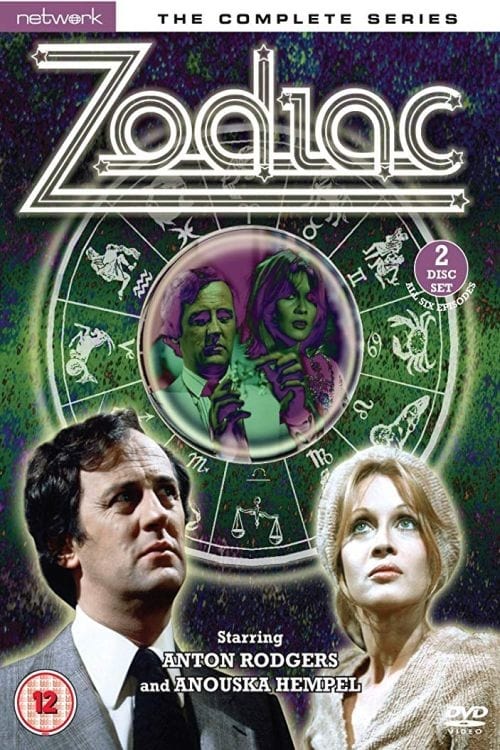
Zodiac
Zodiac was a six-part series transmitted by ITV in 1974. Starring Anton Rogers and Anouska Hempel as cynical detective David Gradley and his astrologer associate Esther Jones, the unusual astrological premise set this show apart from the humdrum detective dramas of the time. Little seen since its original broadcast, the series has garnered something of a cult status.
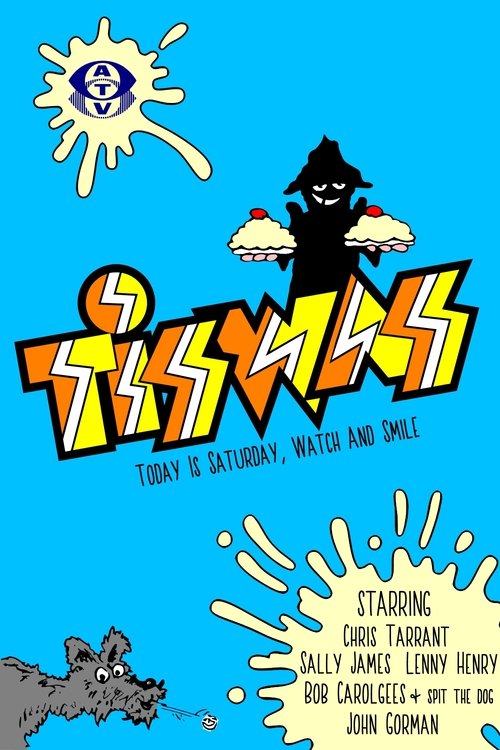
Tiswas
Tiswas was a Saturday morning children's British television series which ran from 5 January 1974 to 3 April 1982 and was produced for the ITV network by ATV Network Limited. It was created by ATV continuity announcer Peter Tomlinson following a test period in 1973 when he tried out a few competitions and daft stuff between the programmes.
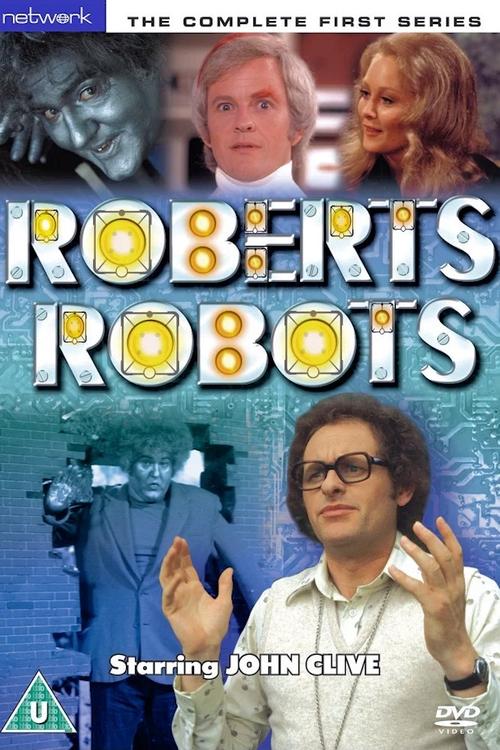
Roberts Robots
Robert Sommerby is a brilliant but eccentric inventor who lives in the country with his Aunt Millie and a number of humanoid robots. One, Katie ( KT ), talks like a child and has a propensity for walking through doors without opening them.
0Beryl's Lot
Beryl's Lot is a British comedy drama about a woman approaching middle-age and embarking on a programme of personal development. It was written by Kevin Laffan, produced by David Cunliffe and Peter Willes, and directed by Derek Bennett and David Reynolds for Yorkshire Television and broadcast on ITV between 1973 and 1977. Beryl's Lot ran for 3 series and 52 episodes in total before its cancellation. The first two series each consisted of 13 one hour-long episodes, the third series of 26 episodes of 30 minutes.
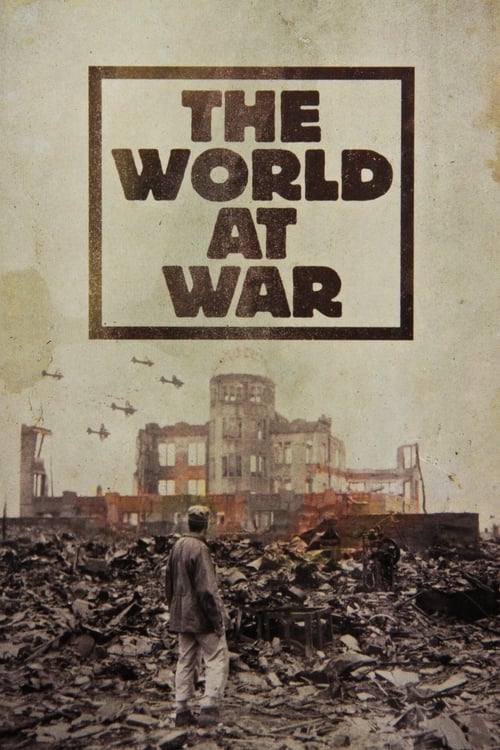
The World at War
A documentary series that gives a historical account of the events of World War II, from its roots in the 1920s to the aftermath and the lives it profoundly influenced.
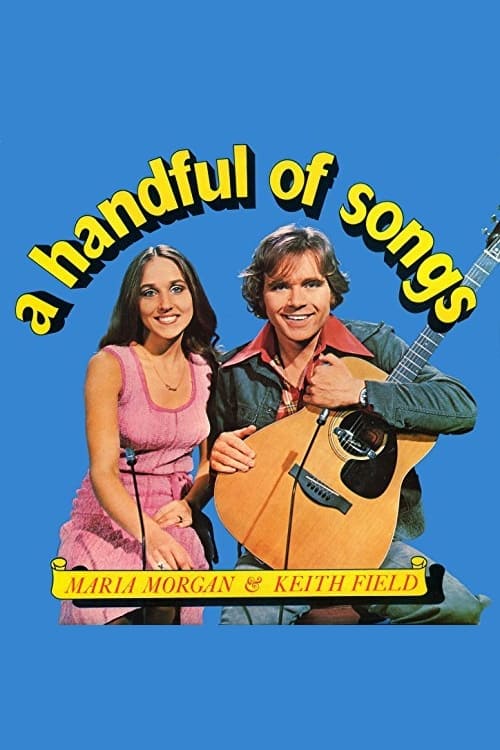
A Handful of Songs
British children's TV show with viewers' requests sung by the presenters, Keith Field accompanying with the guitar and Kathy Jones who in later series was replaced by Maria Morgan.
Men of Affairs
Barry Ovis is Parliamentary Private Secretary to the Minister for European Affairs, Sir William Mainwaring-Brown. Sir William has a very active libido and often gets up to non-portfolio activities. Ovis has to cover for him (usually very badly), and misunderstandings then pile on top of misunderstandings.
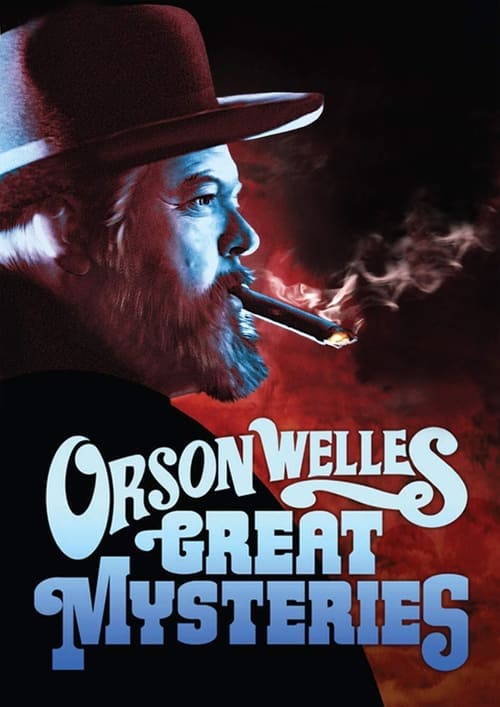
Orson Welles' Great Mysteries
Orson Welles’ Great Mysteries is a British television anthology series produced by Anglia Television for the ITV network and broadcast between 1973 and 1974. The series presents standalone adaptations of classic mystery, crime, and supernatural stories drawn from literary sources including Dickens, Conan Doyle, Wilkie Collins, Balzac, Maugham, O. Henry, and others. Each episode is framed by original introductory and closing sequences performed by Orson Welles, who serves as the series’ host and sole recurring on-screen presence. These segments, written and directed by Welles (uncredited), function as stylized narrative framing devices rather than dramatic participation in the stories themselves. The dramatic content of each episode is performed by separate casts and directors, with no continuing characters or serialized narrative, establishing the series as a unified television anthology rather than a collection of standalone films.
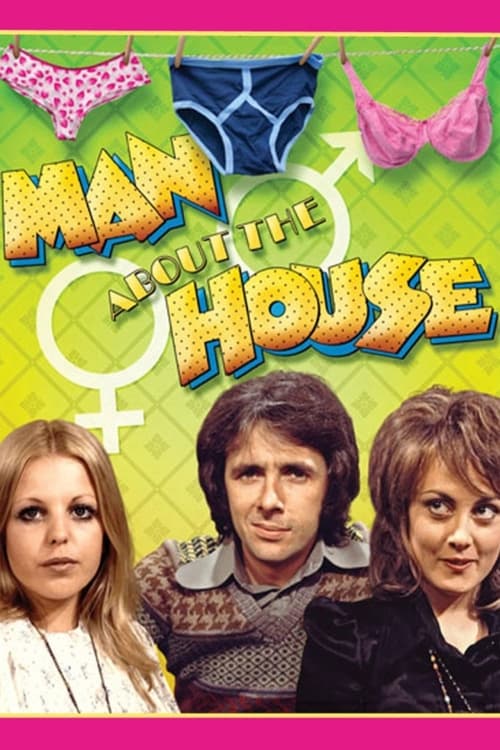
Man About the House
Man About the House is a British sitcom created and written by Brian Cooke and Johnnie Mortimer, and starring Paula Wilcox, Sally Thomsett, Richard O'Sullivan, Brian Murphy, and Yootha Joyce. Six series were broadcast on ITV from 15 August 1973 to 7 April 1976. It was considered daring at the time because it featured a man sharing a London flat with two single women. Single roommates Chrissy and Jo search for a third tenant to help pay the rent, they intend on finding another female. But then they encounter Robin Tripp... who's looking for a place to stay. Two spin-offs were produced: George and Mildred (1976–79) and Robin's Nest (1977–81). A film adaptation was released in 1974 and, in 1977, the series was remade for American audiences as Three's Company.
Bowler
0Sir Yellow
Sir Yellow was a British TV sitcom aired on ITV from 15 July - 19 August 1973. It starred Jimmy Edwards in the title role and also featured Melvyn Hayes, Alan Curtis, and Michael Ripper. The show was set in the 13th century and followed the misadventures of a cowardly, womanising, alcoholic knight. The programme was axed after just one series following bad reviews and was never brought back for a second; in 2003 the TV critic Mark Lewisohn named it "the 20th worst British sitcom of all time" in his book The Radio Times Guide to TV Comedy.
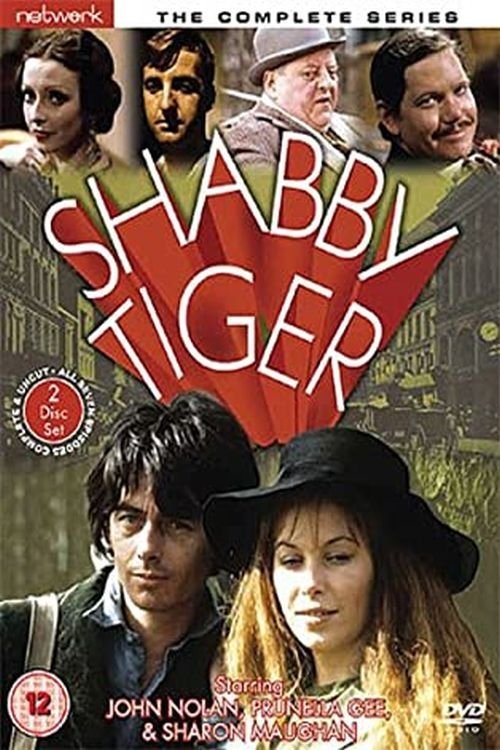
Shabby Tiger
Nick Faunt, a Manchester millionaire's son, leaves home at the height of the Depression to become an artist. When he meets Irish serving girl, a strange love story begins.
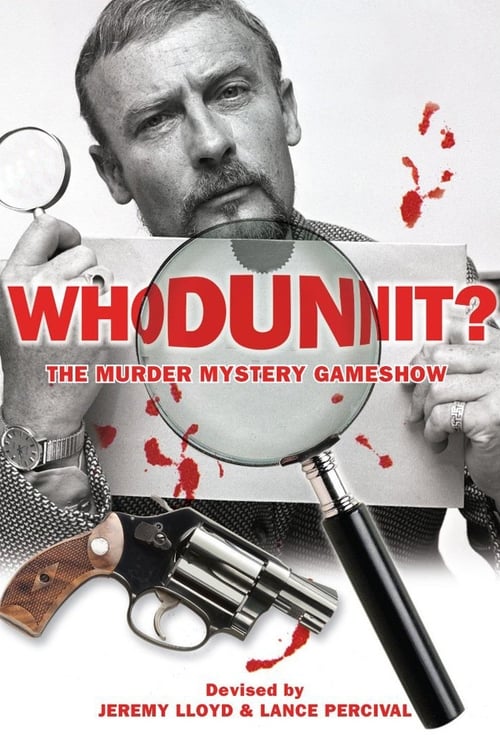
Whodunnit?
Whodunnit? is a British television game show, broadcast between 1972 and 1978 for ITV by Thames Television. It was written by Lance Percival and Jeremy Lloyd, and hosted first by Edward Woodward. One of the panelists in the first series was Jon Pertwee, who took over as the show's presenter from season two. Each week it featured a short murder-mystery drama enacted in front of a panel of celebrity guests who then had to interview the remaining characters to establish who the murderer was. Patrick Mower and Anouska Hempel became the permanent panelists from season three onwards, with two guest celebrities each episode. The only clue was that only the murderer could lie. Whodunnit? originally adopted a conventional panel-game studio layout, but from series three onwards utilised the murder scene itself as the set. It was similar in format, although not officially connected to, the popular board game Cluedo. The theme to the show was written by Tony Hatch
Sam
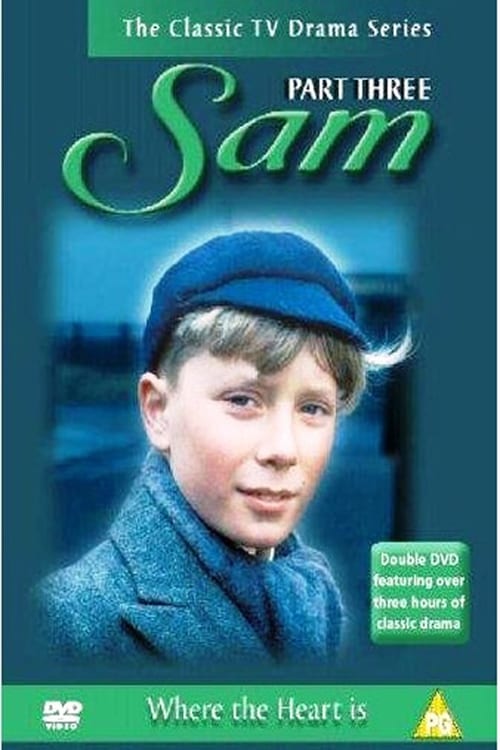
Sam is a drama set in the coalfields of Yorkshire in the inter-war period.
 0
0Hunters Walk
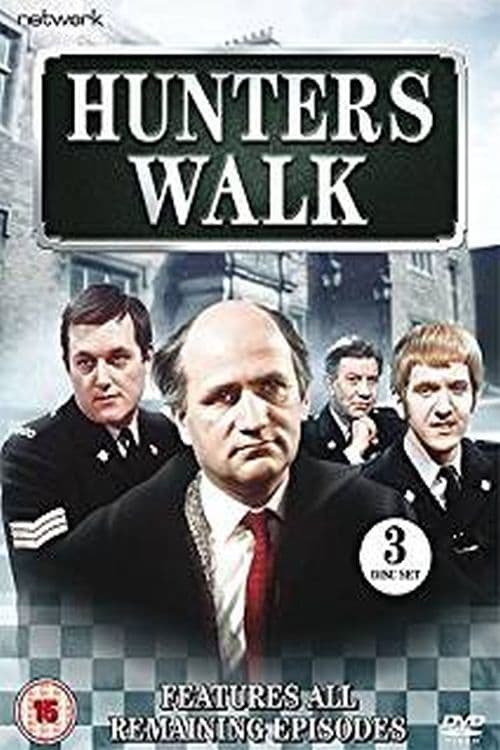
Hunters Walk – devised by Dixon of Dock Green creator Ted Willis – was about crime on a smaller – but no less dramatic – scale, and featured a police force in the fictional Midlands town of Broadstone (the series was actually filmed in Rushden, Northants). Sharing several similarities with the classic 1950s police drama, in particular a small-town settingband storylines encompassing the more human aspects of police work, Hunters Walk offered a contrasting alternative to the 1970s more hard-hitting, action-led urban crime dramas. The small, idiosyncratic team of officers faced a typically broad spectrum of cases, from neighbours’ disputes and hooliganism to suspected murder.
The Kids from 47A
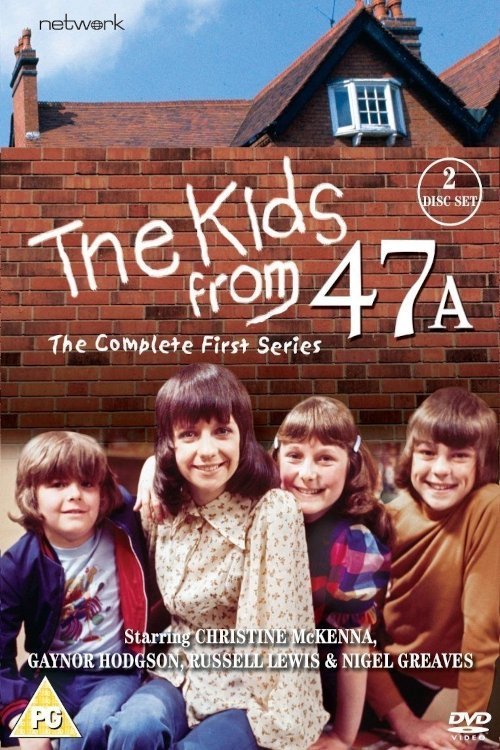
The Gathercole family live in number 47A, a flat in a small block. When the widowed mother is suddenly taken to hospital and hurried plans for an aunt to look after the children fall through, they decide to take care of themselves. When the Welfare authorities learn what is happening, a constant battle to prove they can take care of themselves, and avoid being but in the care of the local council commences.