
NBC
Featured Show:
Fireside Theater
Fireside Theater is an American anthology drama series that ran on NBC from 1949 to 1958, and was the first successful filmed series on American television. Stories were low budget and often based on public domain stories or written by freelance writers such as Rod Serling. While it was panned by critics, it remained in the top ten most popular shows for most of its run. It predated the other major pioneer of filmed TV in America, I Love Lucy, by two years.
NBC TV Shows
1630 shows • Page 79 of 82

Fireside Theater
Fireside Theater is an American anthology drama series that ran on NBC from 1949 to 1958, and was the first successful filmed series on American television. Stories were low budget and often based on public domain stories or written by freelance writers such as Rod Serling. While it was panned by critics, it remained in the top ten most popular shows for most of its run. It predated the other major pioneer of filmed TV in America, I Love Lucy, by two years.

The Goldbergs
The Goldbergs is a comedy-drama broadcast from 1929 to 1946 on American radio, and from 1949 to 1956 on American television. It was adapted into a 1948 play, Me and Molly, a 1950 film The Goldbergs, and a 1973 Broadway musical, Molly.
Believe It or Not
Robert L. Ripley sitting in a "living room" recounting tales of strange stories. Ripley died on 27 May and was replaced by Robert St. John who continued to November 1949. The second season, beginning in January 1950, was a dramatic anthology series based on Ripley's stories and featured guest players every week.
0The Mystery Chef
The Mystery Chef is an American cooking show that aired daily on NBC from March 1, 1949 to June 29, 1949. It was one of NBC's first daytime programs.
The Hartmans
The Hartmans is an American television sitcom that aired live on NBC on Sunday nights from February 27 to April 24, 1949. The series stars Paul and Grace Hartman, a married couple who performed together on the vaudeville circuit and on the Broadway stage.
The Emmy Awards
An annual awards ceremony honoring the best in U.S. prime time television programming as chosen by the Academy of Television Arts & Sciences.
Colgate Theatre
Colgate Theatre is a 30-minute dramatic television anthology series telecast on NBC during 1949 and 1958 for a total of 50 episodes. The first edition, a live anthology, was telecast on Sunday nights at 8:30pm through the summer of 1950. The second series [Tuesdays, 9:30pm] consisted of filmed pilot episodes of unsold series, and was a last-minute replacement for the game series Dotto, which was ended during August 1958, due to accusations that it was rigged. It served as a filler for the sponsor until The George Burns Show premiered on October 14, 1958.
Who Said That?
Who Said That? is a 1947-55 NBC radio-television game show, in which a panel of celebrities attempts to determine the speaker of a quotation from recent news reports. The series was first proposed and edited by Fred W. Friendly, later of CBS News.
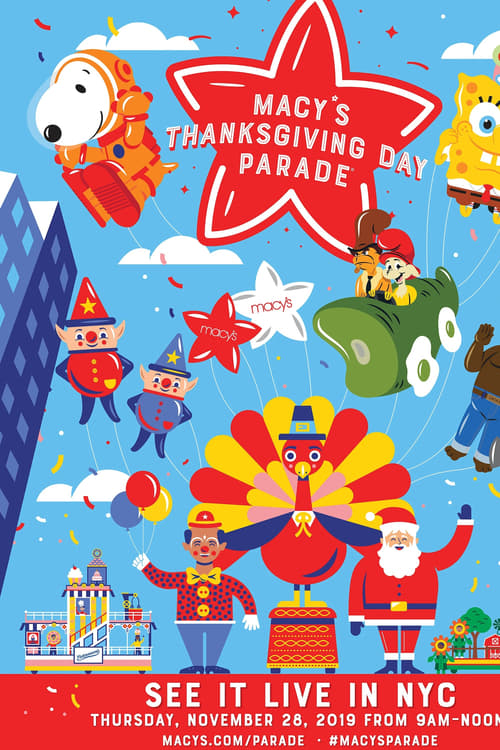
Macy's Thanksgiving Day Parade
The Macy's Thanksgiving Day Parade is an annual parade presented by the U.S. chain store business Macy's. The tradition started in 1924, tying it for the second-oldest Thanksgiving parade in the United States along with America's Thanksgiving Parade in Detroit, with both parades four years younger than the 6abc Dunkin' Donuts Thanksgiving Day Parade in Philadelphia. The three-hour Macy's event is held in New York City starting at 9:00 a.m. EST on Thanksgiving Day.
Break the Bank
Break the Bank is an American quiz show which aired variously on Mutual Radio and ABC, CBS and NBC television from 1945 to 1957.
Welcome Aboard
Welcome Aboard is an American variety show that was televised live on Sundays at 7:30pm EST on NBC. The series was initially titled Admiral Presents the Five Star Revue—Welcome Aboard, when it was sponsored by Admiral but was retitled when sponsorship was dropped in December 1948. The premiere episode featured Martin and Lewis, and Phil Silvers. The second episode on October 10 also featured Martin and Lewis, and a kinescope of this latter show is preserved in the UCLA Film and Television Archive. Three additional episodes are held by the Library of Congress
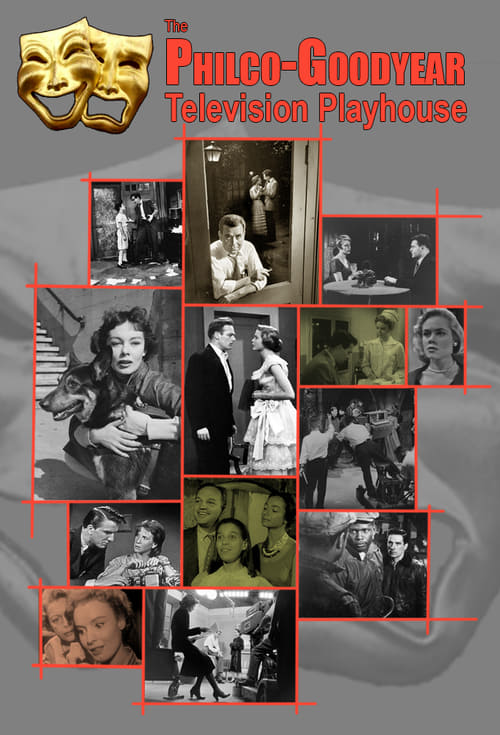
The Philco Television Playhouse
The Philco Television Playhouse is an American anthology series that was broadcast live on NBC from 1948 to 1955. Produced by Fred Coe, the series was sponsored by Philco. It was one of the most respected dramatic shows of the Golden Age of Television, winning a 1954 Peabody Award and receiving eight Emmy nominations between 1951 and 1956.
The Chevrolet Tele-Theatre
The Chevrolet Tele-Theatre is an American anthology series that aired live on NBC Mondays at 8 pm EST from September 27, 1948 to June 26, 1950. Guests who appeared on the series included Faye Emerson, Edward Everett Horton, Basil Rathbone, Nina Foch, and Boris Karloff.
Candid Camera
Candid Camera is an American hidden camera/practical joke reality television series created and produced by Allen Funt, which initially began on radio as Candid Microphone June 28, 1947. After a series of theatrical film shorts, also titled Candid Microphone, Funt's concept came to television on August 10, 1948. The show last aired for 10 episodes in 2014 on the TV Land network. A documentary about Allen Funt is currently in the works by the Candid Camera crew. The format has appeared on U.S. TV networks and in syndication in each succeeding decade, as either a regular show or a series of specials. Allen Funt himself hosted or co-hosted almost all of the TV versions until a 1993 stroke from which he never recovered. His son Peter Funt, who had co-hosted the specials with his father since 1987, became the producer and host.
Texaco Star Theater
Texaco Star Theater is an American comedy-variety show, broadcast on radio from 1938 to 1949 and telecast from 1948 to 1956. It was one of the first successful examples of American television broadcasting, remembered as the show that gave Milton Berle the nickname "Mr. Television". The classic 1940–44 version of the program, hosted by radio's Fred Allen, was followed by a radio series on ABC in the spring of 1948. When Texaco first took it to television on NBC on June 8, 1948, the show had a huge cultural impact.
The Swift Show
The Swift Show is an American variety/game show that aired on Thursdays at 8:30pm EST on NBC premiering April 1, 1948 and running to 1949.
Camel News Caravan
The Camel News Caravan was a 15-minute American television news program aired by NBC News from February 14, 1949, to October 26, 1956. Sponsored by the Camel cigarette brand and anchored by John Cameron Swayze, it was the first NBC news program to use NBC filmed news stories rather than movie newsreels. On February 16, 1954, the Camel News Caravan became the first news program broadcast in color, making use of 16mm color film. In early 1955, the R.J. Reynolds Tobacco Company, maker of Camel cigarettes, cut back its sponsorship to three days a week. Chrysler's Plymouth division sponsored the other days, and on those days, the program was labelled the Plymouth News Caravan. The program featured a young Washington correspondent named David Brinkley, and competed against Douglas Edwards with the News on rival CBS. With greater resources, the News Caravan attracted a larger audience than its CBS competition until 1955. Launched on February 16, 1948, by NBC as NBC Television Newsreel, and later Camel Newsreel Theatre it began as a 10-minute program that featured Fox Movietone News newsreels. John Cameron Swayze provided voice-over for the series. The Camel News Caravan was an expanded version of the Camel Newsreel Theatre feature Swayze on-camera.
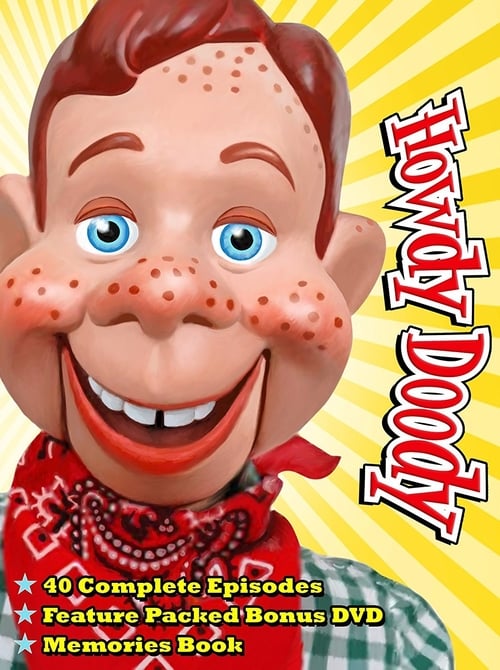
Howdy Doody
Howdy Doody is an American children's television program that was created and produced by E. Roger Muir and telecast on the NBC network in the United States from December 27, 1947 until September 24, 1960. It was a pioneer in children's television programming and set the pattern for many similar shows. One of the first television series produced at NBC in Rockefeller Center, in Studio 3A, it was also a pioneer in early color production as NBC used the show in part to sell color television sets in the 1950s.
Americana
Americana is a weekly game show which ran on NBC from December 8, 1947 to July 4, 1949. The series was originally hosted by literary critic John Mason Brown and produced by Martin Stone Productions with NBC Television. Each week's show was sponsored by Encyclopedia Americana. The 30-minute show aired Mondays at 8:10pm ET in the 1947-48 television season, and Mondays at 8:30pm ET in the 1948-49 season.
Television Playhouse
Television Playhouse is an American anthology series that was broadcast live on NBC. The series aired from December 4, 1947 to April 11, 1948. The program was in cooperation with the National Theater and Academy, a federally sponsored theater group, and featured live performances of plays, some of which were by well-known authors. The first presentation was The Last of My Solid Gold Watchers by Tennessee Williams. Each episode was 30 minutes long, and featured actors and actresses who had not reached stardom. A wide variety of plays was presented on the program. Although short-lived, the "live play" format later became very popular during the early 1950s.