
TV Globo
Featured Show:
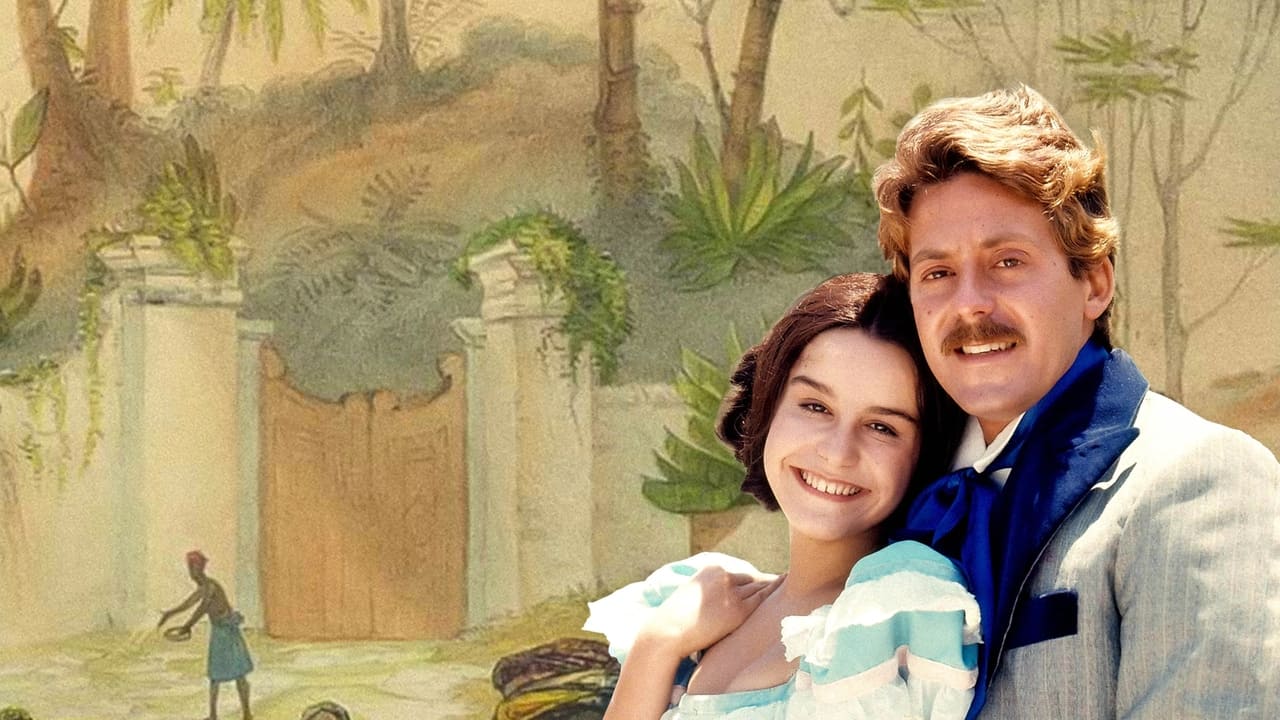
Escrava Isaura
Set in 19th-century Brazil during the waning years of slavery, Escrava Isaura tells the story of Isaura, a white-skinned enslaved woman raised with the manners and education of a noble lady. Though treated with affection by her mistress, Isaura remains legally enslaved and becomes the object of obsessive desire by Leôncio Almeida, the cruel heir to the plantation. After the death of her protector, Isaura falls under Leôncio’s control. Despite his attempts to seduce and dominate her, she resists, determined to preserve her dignity and freedom. Her father, Miguel, helps her escape to Recife, where she adopts a new identity and meets Álvaro, a wealthy and principled abolitionist who falls in love with her. Leôncio eventually tracks her down, leading to dramatic confrontations. In the end, Álvaro rescues Isaura by purchasing Leôncio’s debts, securing her freedom and affirming the story’s central themes of justice, love, and resistance against oppression.
TV Globo TV Shows
789 shows • Page 35 of 40
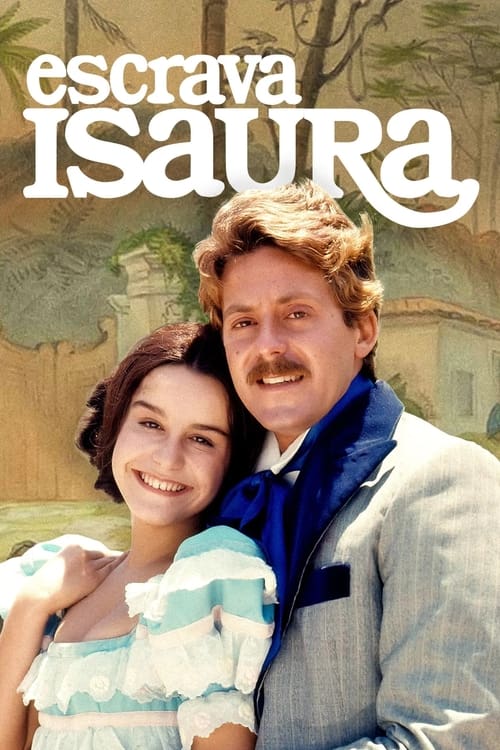
Escrava Isaura
Set in 19th-century Brazil during the waning years of slavery, Escrava Isaura tells the story of Isaura, a white-skinned enslaved woman raised with the manners and education of a noble lady. Though treated with affection by her mistress, Isaura remains legally enslaved and becomes the object of obsessive desire by Leôncio Almeida, the cruel heir to the plantation. After the death of her protector, Isaura falls under Leôncio’s control. Despite his attempts to seduce and dominate her, she resists, determined to preserve her dignity and freedom. Her father, Miguel, helps her escape to Recife, where she adopts a new identity and meets Álvaro, a wealthy and principled abolitionist who falls in love with her. Leôncio eventually tracks her down, leading to dramatic confrontations. In the end, Álvaro rescues Isaura by purchasing Leôncio’s debts, securing her freedom and affirming the story’s central themes of justice, love, and resistance against oppression.

Estúpido Cupido
The story is set in the fictional city of Albuquerque, in the interior of São Paulo, in the early 1960s – a time marked by changing behaviors in much of the world. There, young people enjoy the sounds of rock and twist on the dance floors, follow the fashion of jeans and leather jackets, and show off on Lambrettas and motorcycles through the city streets. In this context, Maria Tereza, a student teacher, dreams of living in the capital and being elected Miss Brazil, but clashes with her boyfriend, João. An idealistic young man who intends to pursue a career in journalism, he is consumed by jealousy of his beloved.
 0
0Oito ou Oitocentos?
O Casarão
O Feijão e o Sonho
Juca Campos Lara dreams of poetry, but pressured by reality, he trades art for the sake of supporting his family. The struggle between making ends meet and his dream unfolds in four significant phases.
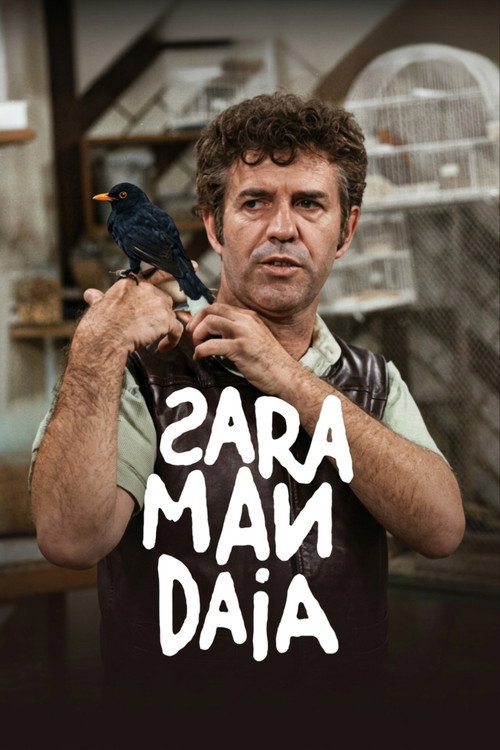
Saramandaia
Saramandaia is a Brazilian telenovela originally written by Dias Gomes in 1976. It's considered remarkable because of the Magic Realism (used by the author to subtly criticize the Military Regime of the time) and had 160 chapters. The story centers on the name change that the city undergoes, promoted by the younger citizens and reviled by the older ones. It also focuses on the lives of the city's quirky residents.

Planeta dos Homens

Vejo a Lua no Céu
Fernando, a confirmed romantic, will do anything for his beloved Suzana. However, to live out their romance, he will have to go against his father, who rejects Suzana because of her economic status.
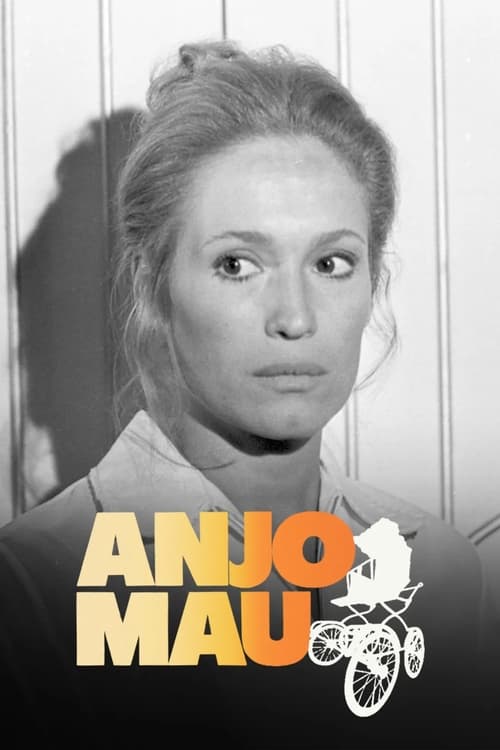
Anjo Mau
A poor young woman, unhappy with her inevitable destiny as a suburban housewife, gets a job as a nanny for a wealthy family and falls in love with her employer's brother, using every trick to win him over and ultimately become the lady of the mansion. .

Pecado Capital
Carlão is a taxi driver who experiences a drama of conscience after fleeing bank robbers leave a suitcase with stolen money in his car: he doesn't know whether to hand it over to the police, running the risk of being accused of being an accomplice in the robbery, or whether to use the money to solve his problems.
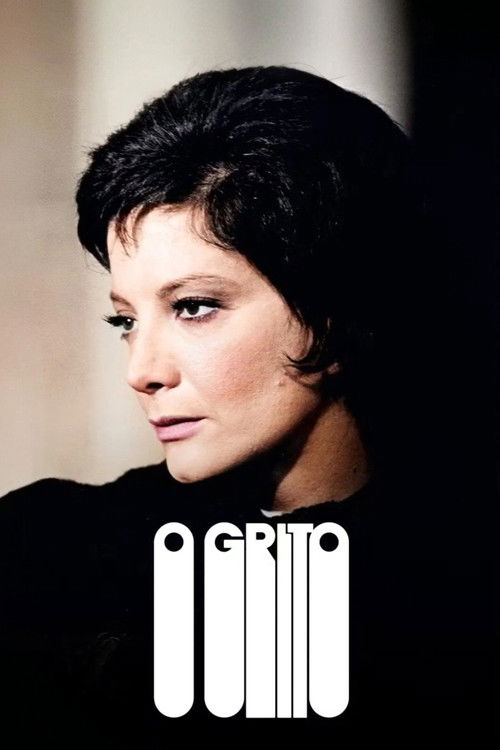
O Grito

A Moreninha
On Paquetá Island, Carolina dreams of reuniting with a childhood sweetheart, unaware that it's Augusto, her brother's friend. After adventures and misunderstandings, the couple struggles to stay together.

Senhora
The soap opera follows the story of young Aurélia Camargo (Norma Blum), a girl who falls in love with the ambitious young journalist Fernando Seixas (Cláudio Marzo), who also falls in love with her, but rejects her when he receives an invitation to marry Adelaide (Fátima Freire), the daughter of Tavares do Amaral (Felipe Wagner), a wealthy banker. Feeling abandoned by her great love, Aurélia dreams of one day having him back. Until, when she turns 18, she is surprised with an inheritance from her grandfather, and becomes a very rich woman, allowing her to create her own rules for her life. However, for the society of the time, it was not good form for a woman to enjoy such independence. For this reason, Aurélia begins to rely on a distant relative, Dona Firmina Mascarenhas (Zilka Sallaberry), to act as her mother, and on the administrator Mr. Lemos (Alberto Perez), to guide her in business. So, she sees a great opportunity to have Fernando in her life again.
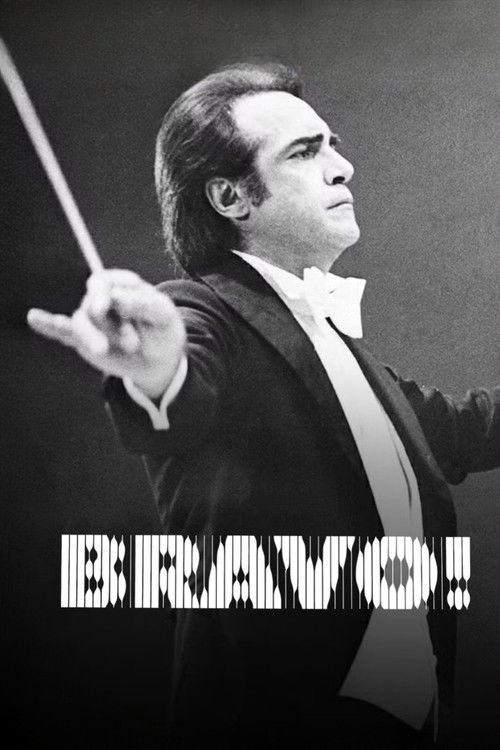
Bravo!
A widowed conductor rediscovers love when he meets a young woman from the countryside, but doubts about his music make him question his competence and distance himself from the woman he loves.
 0
0O Noviço
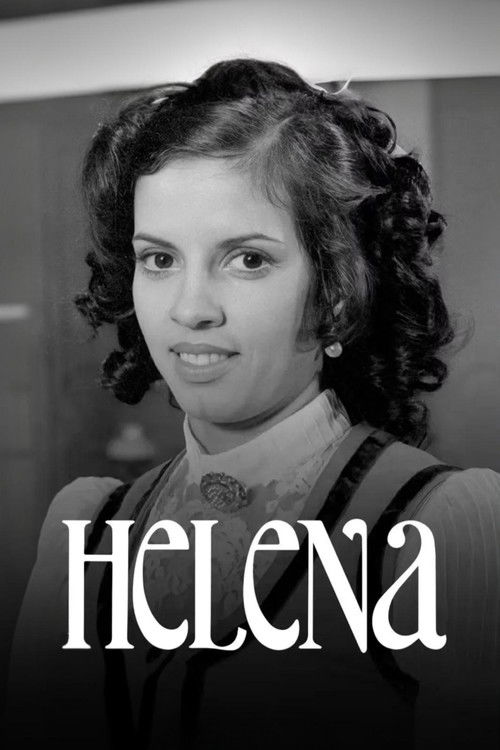
Helena
When his father passes away, Estácio (Osmar Prado) and his aunt Úrsula (Ida Gomes) receive his will and are surprised to discover that most of the inheritance was left to Helena (Lúcia Alves), a previously unknown daughter. In the will, her father asks that his daughter be taken in by her relatives. The news infuriates Úrsula, who has been in charge of the family business and caring for Estácio since his mother passed away, and does not accept Helena willingly, seeing her as an intruder in the family. In addition to Úrsula, someone who is not pleased with the girl's arrival is Dr. Camargo (Rogério Fróes), father of Eugênia (Ângela Valério), Estácio's fiancée. Even so, Estácio obeys his father's request and takes the girl to live with his family. Helena has a cheerful and outgoing temperament and her arrival affects everyone's lives. At first, she is hostile to Úrsula, but later wins her sympathy.

Gabriela
 0
0Pluft, o Fantasminha
Azambuja & Cia

Cuca Legal
'Cuca Legal' tells the story of Mário Barroso, a single aviator involved with three women at the same time: Virgínia, Irene, and Fátima. Virgínia is a wealthy businesswoman obsessed with the direction of her late father's business; Irene is a middle-class young woman who gives private piano lessons; and Fátima is a poor widow. Mário can't decide which of them is the ideal woman to give him a child with a "cool head" (cuca legal). Things get even more complicated when Maria Joaquina, nicknamed Kinu, Virgínia's mother, also catches the aviator's attention. To escape the troubles he constantly gets into, Mário relies on the help of his mother, Dalva, and Jacaré, his great friend.