
BBC One
Featured Show:
Just Another Day
Just Another Day is a BBC documentary series, shown over twenty thirty minute episodes. The series follows John Pitman observing a typical day in the life of places, businesses and institutions that are considered part of the British way of life.
BBC One TV Shows
2565 shows • Page 96 of 129
 0
0Just Another Day
Just Another Day is a BBC documentary series, shown over twenty thirty minute episodes. The series follows John Pitman observing a typical day in the life of places, businesses and institutions that are considered part of the British way of life.
 0
0Ceefax AM
On 28 February 1983, BBC1 started to air a selection of Ceefax pages every weekday morning at 6.00am called Ceefax AM which would lead into the start of Breakfast Time at 6.30am. It is first mentioned in the Radio Times on 21 March.
The Machine Gunners
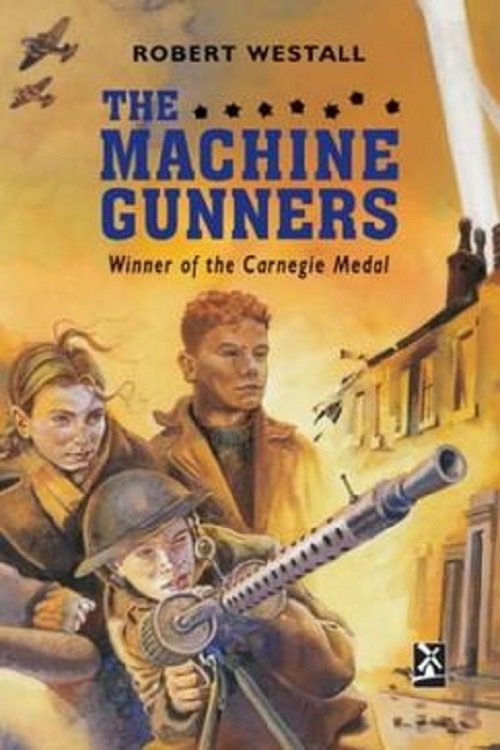
During the Second World War, a group of youth in the Northeast England town of Garmouth regularly suffer from bomb attacks by the German forces. One of the children raids a crashed German aircraft and takes a fully operational machine gun, intending to set up their own fortress. Playing with it causes a German plane to crash-land; the kids befriend the pilot, who is unaware that they had caused him to crash.
The Citadel
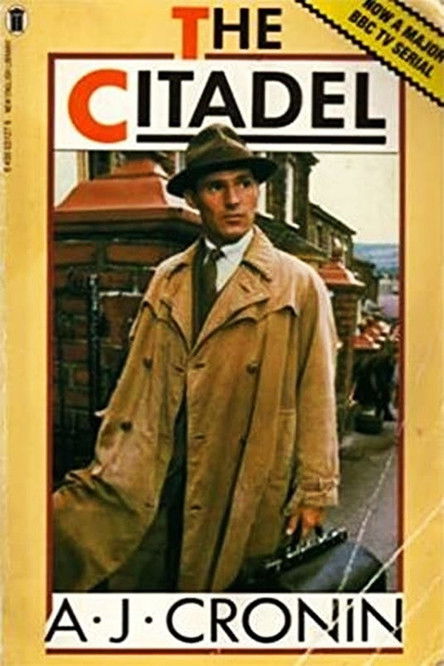
A faithful ten part BBC adaptation of A.J. Cronin's book of the same name published in 1937 about a young Scottish doctor (Ben Cross) trying to find a place for himself in the dysfunctional medical system of Wales and England in the 1920s and early 1930s.
Dombey and Son
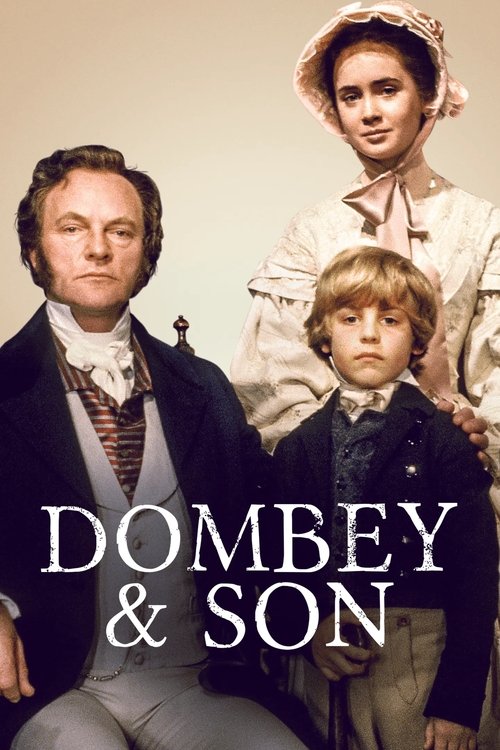
Dombey and Son is a television mini-series produced by the BBC in 1983. It was based on the book Dombey and Son by Charles Dickens. It was adapted by James Andrew Hall and directed by Rodney Bennett.
Skorpion
Gabrielle, formerly member of a terrorist cell, flees to England after an attempt on her life. Fearing that Gabrielle may betray it to the authorities, the cell sends the hitman Constant Delangre after her. Will Delangre find Gabrielle before the local police can defend her?

Making the Most of the Micro
Making the Most of the Micro was a TV series broadcast in 1983 as part of the BBC's Computer Literacy Project. It followed the earlier series The Computer Programme. Unlike its predecessor, Making the Most of the Micro delved somewhat deeper into the technicalities and uses that microcomputers could be put to, once again mainly using the BBC Micro in the studio for demonstration purposes. The series was followed by Micro Live.

The Fourth Arm
Starring Paul Shelley in a role reminiscent of his Secret Army character in all but name, this 12-part serial follows a team of secret agents parachuted into occupied Europe during World War II, exploring their recruitment, training, and first mission behind enemy lines.
Captain Zep – Space Detective
Captain Zep – Space Detective is a British television children's series produced by the BBC between 1983 and 1984. Constructed as part drama and part quiz game, Captain Zep featured mysteries that would be solved by the child audience in the studio, along with a write-in competition for viewers. The child audience were dressed in futuristic clothes and had gelled hair. The series was also notable for its combination of live action and animation, where the cast would interact with drawn alien characters amidst drawn backgrounds. Paul Greenwood played the titular Captain Zep in the first series, to be replaced by Richard Morant for series two. Zep was assisted by Professor Spiro who was also replaced in series two by Professor Vana. The only cast member to appear in both series was Ben Ellison as Jason Brown. The theme tune "Captain Zep" was written by David Owen Smith and Paul Aitken and performed by The Spacewalkers.
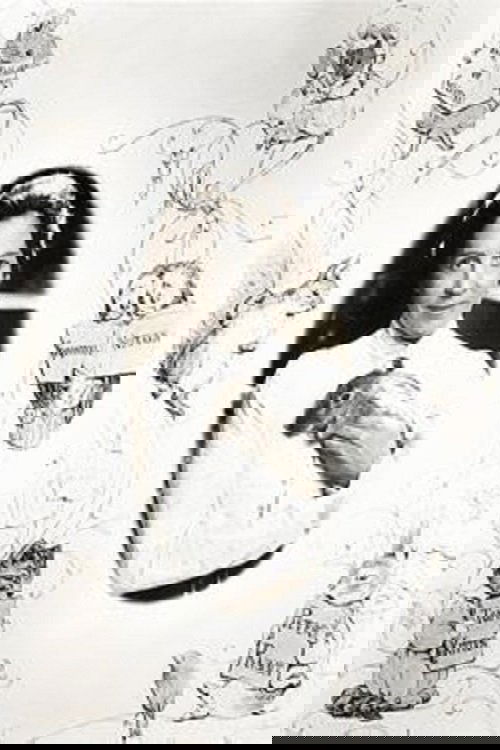
The Tale of Beatrix Potter
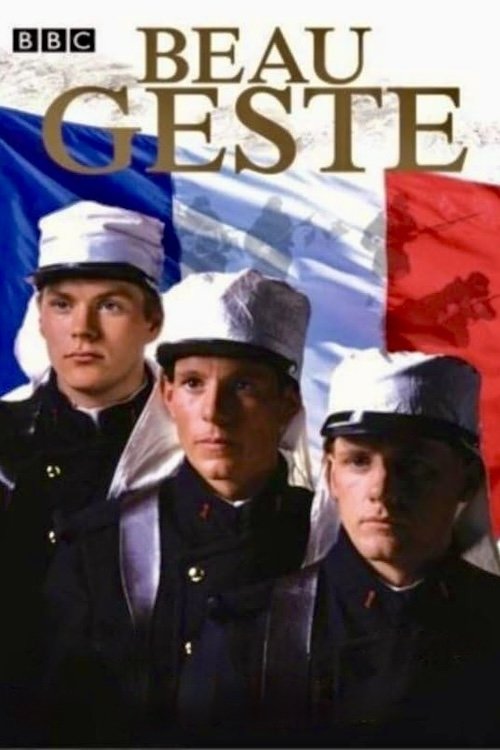
Beau Geste
Brothers Beau, John and Digby Geste join the Foreign Legion, where they fall under the rule of tyrannical Sergeant Markoff. Beau and John are assigned to Fort Zinderneuf, where Markoff tries to break their spirit, aware of a dark family secret concerning a fabulous jewel one of them carries. As tensions rise, Arabs attack the fort and rivalries must be thrown aside in a desperate battle for life.
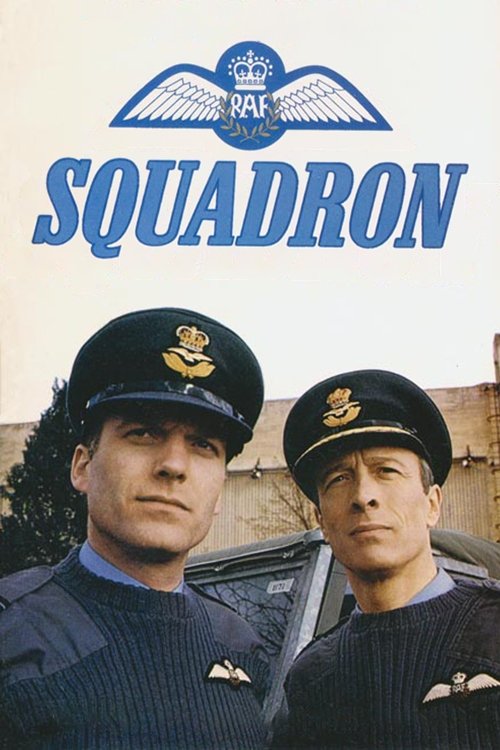
Squadron
Squadron is a British television series produced by the BBC in 1982. The series dealt with the adventures of the fictional 370 Rapid Deployment Squadron of the Royal Air Force. The Squadron operated a mix of operational RAF aircraft including the Harrier GR Mk 3, Hercules C Mk 1, Puma HC Mk 1 and the first episode, Phantom FGR Mk 2. One series of ten episodes was made. The leading cast members included Michael Culver, Malcolm Stoddard, Derek Anders, and Catriona MacColl.
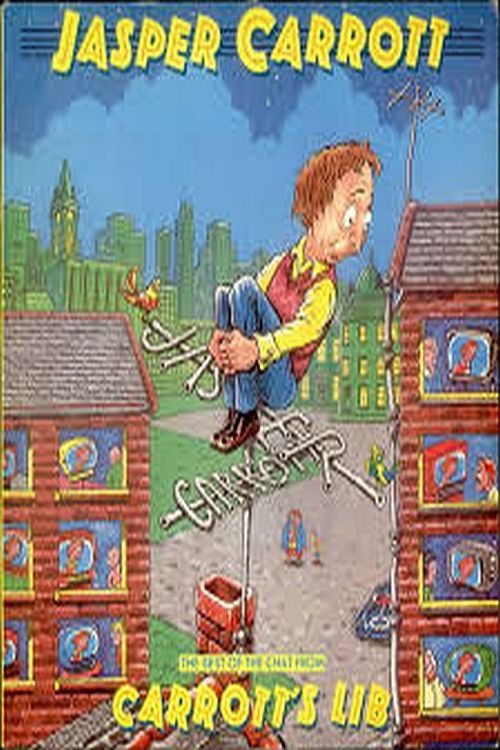
Carrott's Lib
Carrott's Lib is a British satirical comedy series broadcast between 9 October 1982 and 30 December 1983. It starred Jasper Carrott and a cast of many comedians. The show was not just a satirical comedy, it was also a sketch show with many comedians of the future, most famously Chris Barrie & Jan Ravens. Unlike most comedy series it was broadcast live, albeit with some pre-recorded elements.
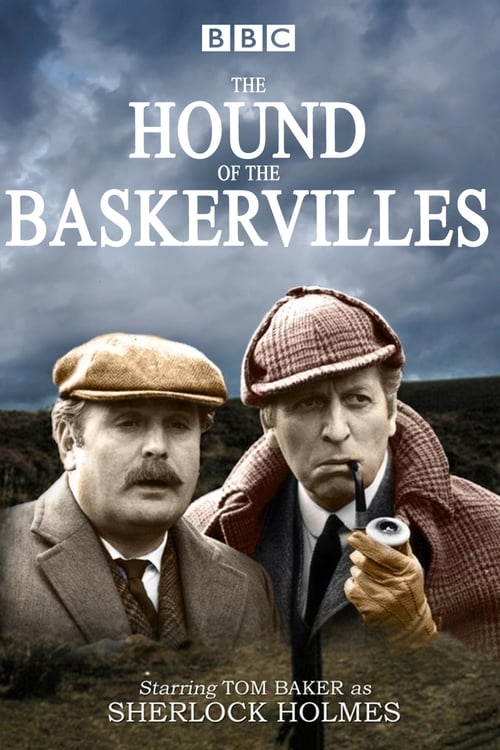
The Hound of the Baskervilles
When a nobleman is threatened by a family curse on his newly inherited estate, detective Sherlock Holmes is hired to investigate. A British television serial based on Sir Arthur Conan Doyle's novel.
The Late, Late Breakfast Show
The Late, Late Breakfast Show was a BBC television light entertainment show broadcast live on Saturday evenings from 4 September 1982 to 8 November 1986. It was presented by Noel Edmonds, initially with co-host Leni Harper and also featured Mike Smith and John Peel. It is remembered for several accidents during its regular "Give It A Whirl" stunt slot; in particular, the 1986 death of Michael Lush.
An Inspector Calls
A made-for-television adaptation of the J. B. Priestley play of the same title.
0The Kids International Show
A group of talented children from all nations try to entertain people with their great songs.
0Night Music
A late-night chance to relax into the weekend with music to suit every mood.

Wogan
Chat show hosted by Terry Wogan, featuring live studio interviews with famous and notable personalities.
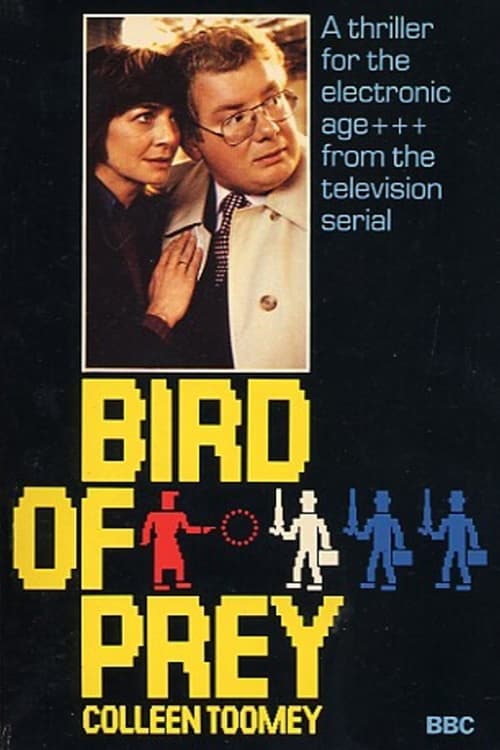
Bird of Prey
Bird of Prey is a British techno-thriller television serial written by Ron Hutchinson and produced by Michael Wearing and Bernard Krichefski for the BBC in 1982. From its video game-inspired opening titles to its pervasive electronic music track, Bird of Prey went to great lengths to demonstrate its credentials as 'a thriller for the electronic age'. These elements, together with a clever and complex plot that combines a breathless fascination with the still-young field of computing with pan-European fraud, international terrorism, rogue intelligence operatives and organised crime, link it firmly to the early 1980s, expressing that era's growing anxieties about the burgeoning 'Eurocracy'.