BBC One
Featured Show:
Jeux Sans Frontières
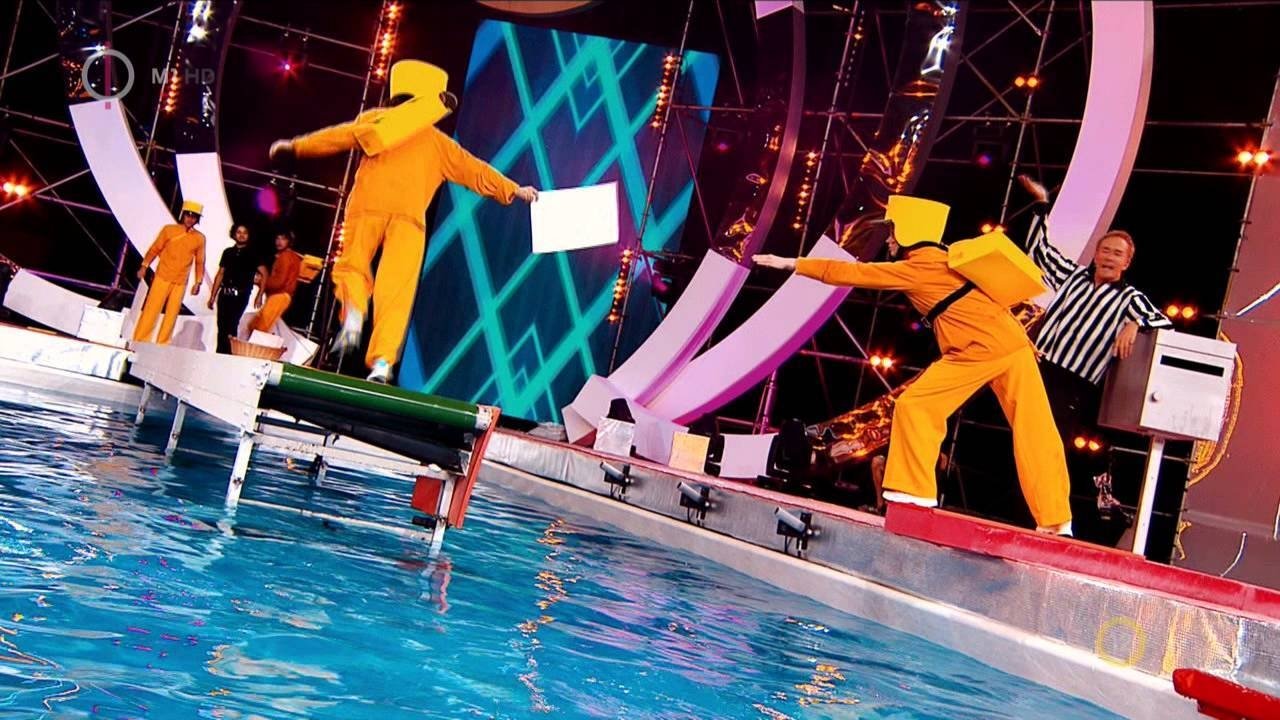
Jeux sans frontières ("Games Without Borders" in French) was a Europe-wide television game show, based on the French programme Intervilles which was first broadcast in 1962. In its original conception, it was broadcast from 1965 to 1999 under the auspices of the European Broadcasting Union (EBU), which owned the format. In non French-speaking countries, the show had alternative titles. It is also widely known as "It's a Knockout", the title of the BBC's domestic version and national selection for the programme.
BBC One TV Shows
2572 shows • Page 115 of 129
Jeux Sans Frontières
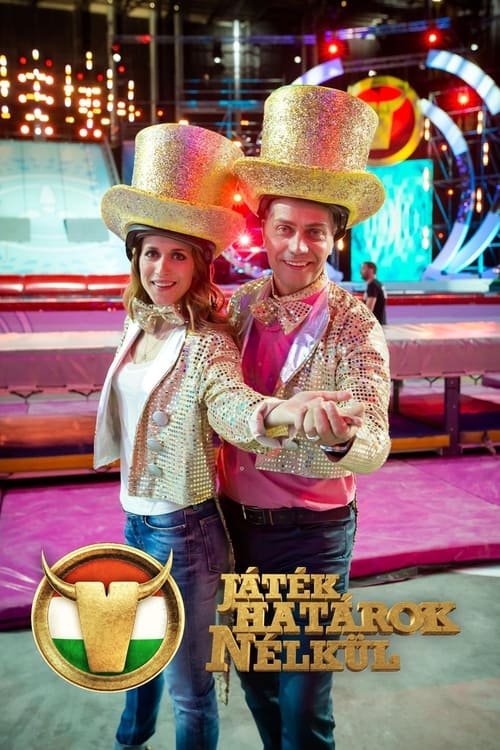
Jeux sans frontières ("Games Without Borders" in French) was a Europe-wide television game show, based on the French programme Intervilles which was first broadcast in 1962. In its original conception, it was broadcast from 1965 to 1999 under the auspices of the European Broadcasting Union (EBU), which owned the format. In non French-speaking countries, the show had alternative titles. It is also widely known as "It's a Knockout", the title of the BBC's domestic version and national selection for the programme.
 0
0Londoners
London itself takes the starring role in this series of plays from the BBC – a role which varies between hero and villain, enchantress and harpy. The series features extensive location filming, ranging from Soho to the Law Courts, Wembley to the docks. Of the twelve episodes, eleven are believed to be lost.

The Bed-Sit Girl
The Bed-Sit Girl was a British sitcom that aired on BBC1 from 1965 to 1966. Created by Chesney and Wolfe for Sheila Hancock, The Bed-Sit Girl aired for two series. Hancock played Sheila Ross, a typist who lives in a bedsit and wishes for more in life. In the first series, Dilys Laye played her air hostess neighbour Dilys, and in the second Hy Hazell played Sheila's friend Liz. Derek Nimmo also appeared as her neighbour and boyfriend David in Series Two. All twelve episodes are missing from the archives and are thought to have been destroyed.
The Wars of the Roses
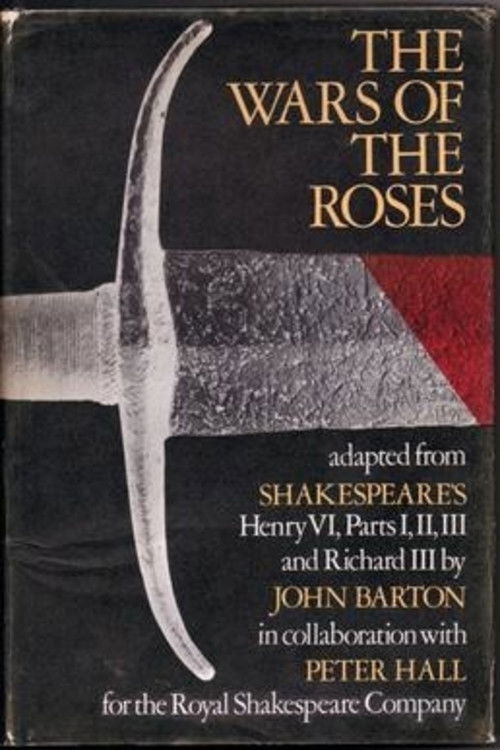
An epic chronicle of the dysfunctional Plantagenet family from the accession of the young Henry to the death of Richard, last of the Plantagenets. The vacillations of the priestly Henry lead to ungentlemanly behaviour, civil war, treason, murder, regicide, fratricide, and the relentless pursuit of power so characteristic of the Renaissance.
Hit and Run
0The Brothers Karamazov
The Brothers Karamazov is a murder mystery, a courtroom drama, and an exploration of erotic rivalry in a series of triangular love affairs involving the “wicked and sentimental” Fyodor Pavlovich Karamazov and his three sons―the impulsive and sensual Dmitri; the coldly rational Ivan; and the healthy, red-cheeked young novice Alyosha. Through the gripping events of their story, Dostoevsky portrays the whole of Russian life, is social and spiritual striving, in what was both the golden age and a tragic turning point in Russian culture.
R3
R3 is a British television series produced by the BBC between 1964 and 1965. Full title was Ministry of Research Centre No.3. It was a 50-minute show, and the series starred John Robinson as Sir Michael Gerrard, Jeremy Young as Wilson, David Blake Kelly as Captain Rogers, and was set in a scientific research facility at the Ministry of Research. R3 is also notable for providing early TV exposure for a young Oliver Reed, cast as one of the scientists on the ministry staff, Dr. Richard Franklin. In "Experiment in Death", written by N J Crisp, Undersea exploration becomes an experiment in survival in a bathysphere. That show starred Edward Judd as Peters, Brigit Forsyth as a secretary, Donald Hoath as Turner and Stephen John as a meteorologist. It was produced by John Robins and directed by Paul Bernard.
Not So Much a Programme, More a Way of Life
Not So Much a Programme, More a Way of Life is a BBC-TV satire programme produced by Ned Sherrin, which aired during the winter of 1964–1965, in an attempt to continue and improve on the successful formula of his That Was The Week That Was, which had been taken off by the BBC because of the coming General Election. It too featured David Frost as compère, with two others, William Rushton and the poet P. J. Kavanagh joining him in the role. In addition to Saturdays, there were also editions on Fridays and Sundays. It saw the first appearances on television of John Bird, Eleanor Bron, Roy Hudd, Patrick Campbell and John Fortune. Michael Crawford also featured as 'Byron'. Whereas TWTWTW had had a dark nightclub atmosphere, the new programme used predominantly white sets. The programme lacked the impact of TW3 and lasted only one season before being replaced by the Robert Robinson-fronted BBC-3.
The Character of Physical Law
A legendary series of seven lectures by physicist Richard Feynman concerning the nature of the laws of physics.
The Wednesday Play
An anthology series of television plays which aired on BBC1 from October 1964 to May 1970. The plays were usually written for television, although adaptations from other sources also featured.
0BBC Midlands Today
Midlands Today is the BBC's regional television news programme for the West Midlands. Midlands Today began on 28 September 1964, from a small studio in Broad Street, Birmingham.
Match of the Day
BBC's football highlights and analysis. "The longest-running football television programme in the world" as recognised by Guinness World Records in 2015.
The Valiant Varneys
A BBC children's comedy series in which Reg Varney plays a variety of characters from throughout history.
0The Indian Tales of Rudyard Kipling
"The Indian Tales of Rudyard Kipling" is a BBC drama anthology series, broadcast between 1963 and 1964.

Sherlock Holmes
Sherlock Holmes (also known as 'Sir Arthur Conan Doyle's Sherlock Holmes') is a series of Sherlock Holmes adaptations produced by British television company BBC between 1964 and 1968. This was the second screen adaption of Sherlock Holmes for BBC Television.
 0
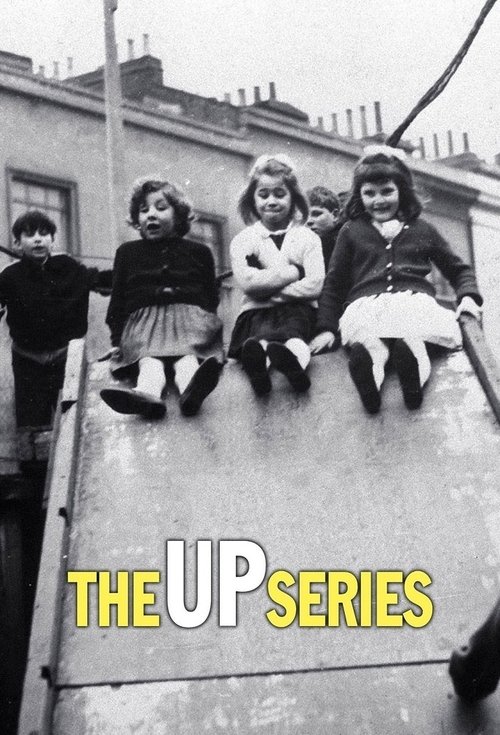
0The Up Series
A series of documentaries that have followed the lives of fourteen British children since 1964, when they were seven years old.
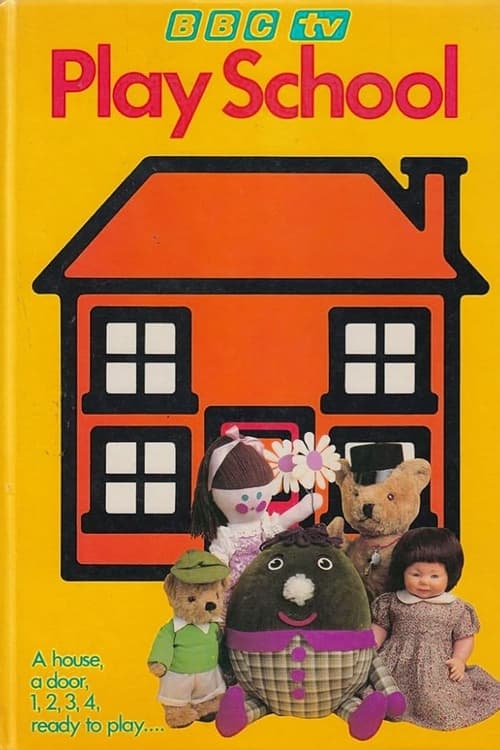
Play School
Play School is a British children's television series produced by the BBC which ran from 21 April 1964 until 11 March 1988. Devised by Joy Whitby, it accidentally became the first ever programme to be shown on the fledgling BBC2 after a power cut halted the opening night's programming. Play School originally appeared on weekdays at 11am on BBC2 and later acquired a mid-afternoon BBC1 repeat. The morning showing was transferred to BBC1 in September 1983 when BBC Schools programming transferred to BBC2. It remained in that slot even after daytime television was launched in October 1986 and continued to be broadcast at that time until it was superseded in October 1988 by Playbus, which soon became Playdays. When the BBC scrapped the afternoon edition of Play School in September 1985, to make way for a variety of children's programmes in the afternoon, a Sunday morning compilation was launched called Hello Again!. There were several opening sequences for Play School during its run, the first being "Here's a house, here's a door. Windows: 1 2 3 4, ready to knock? Turn the lock - It's Play School." This changed in the early seventies to "A house, with a door, 1 2 3 4, ready to play, what's the day? It's..." In this version blinds opened on the windows as the numbers were spoken.
0Cluff
 0
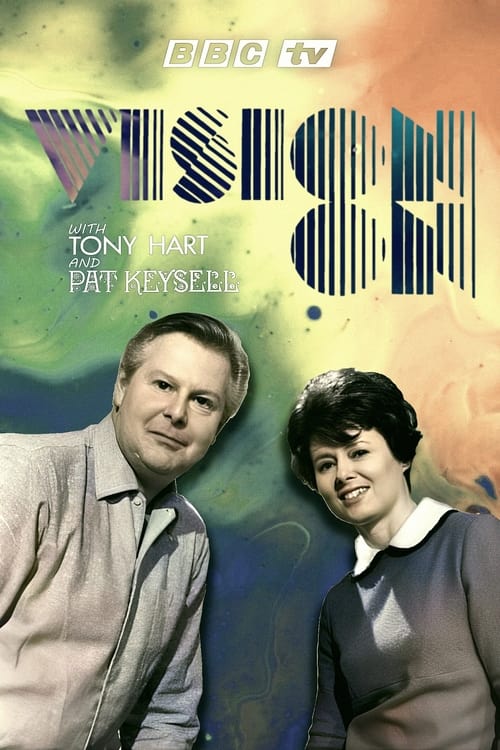
0Vision On
Vision On was a British children's television programme, shown on BBC1 from 1964 to 1976 and designed specifically for deaf children.
 0
0Bleep and Booster
Bleep and Booster is a children's cartoon series by William Timym originally shown on the BBC's Blue Peter. 313 five minute episodes were released between 1963 and 1977. Bleep is an alien from the planet Miron/Myron with a spaceship, whilst Booster is a young human who travels with Bleep performing galactic missions for Bleep's moustached father. The planet Miron/Myron is portrayed as being built almost entirely out of chrome, with its capital at Miron/Myron City. The inhabitants are portrayed as robot-like creatures with flexible arms and legs like rubber hoses. Their feet are cupped and they have antennae and a third eye in the centre of their foreheads. Two episodes of the series, The Giant Brain and Solaron were released in 1993 on VHS exclusively in Great Britain. Thus far, there have been no other episodes released. The cartoons were animatic animation, still pictures which were slowly panned, with narration. The voices were by Peter Hawkins.