
BBC One
Featured Show:
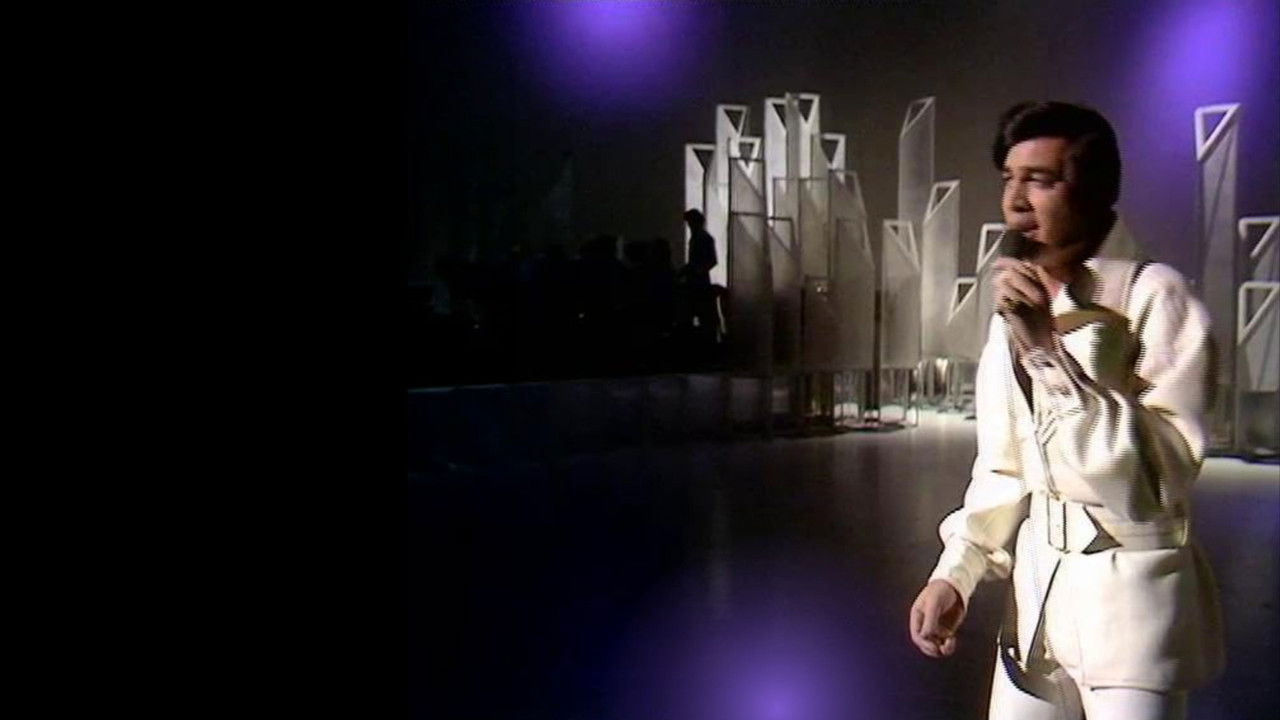
Engelbert With The Young Generation
Engelbert with the Young Generation was a British musical variety series that aired on BBC1 in 1972, starring international ballad star Engelbert Humperdinck, known for hits like Release Me and The Last Waltz. The show paired his smooth, Vegas-style crooning with The Young Generation, a versatile song-and-dance troupe, creating a broad cross-generational appeal. A polished time capsule of the golden age of British light entertainment — glamorous, tuneful, and thoroughly wholesome.
BBC One TV Shows
2572 shows • Page 109 of 129
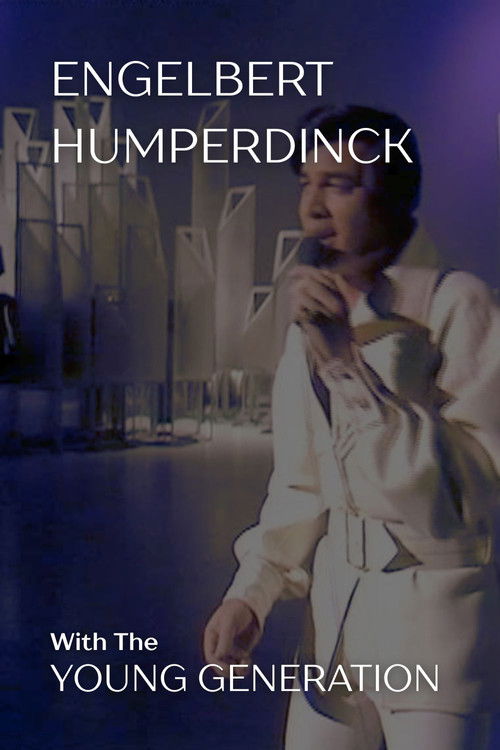
Engelbert With The Young Generation
Engelbert with the Young Generation was a British musical variety series that aired on BBC1 in 1972, starring international ballad star Engelbert Humperdinck, known for hits like Release Me and The Last Waltz. The show paired his smooth, Vegas-style crooning with The Young Generation, a versatile song-and-dance troupe, creating a broad cross-generational appeal. A polished time capsule of the golden age of British light entertainment — glamorous, tuneful, and thoroughly wholesome.
 0
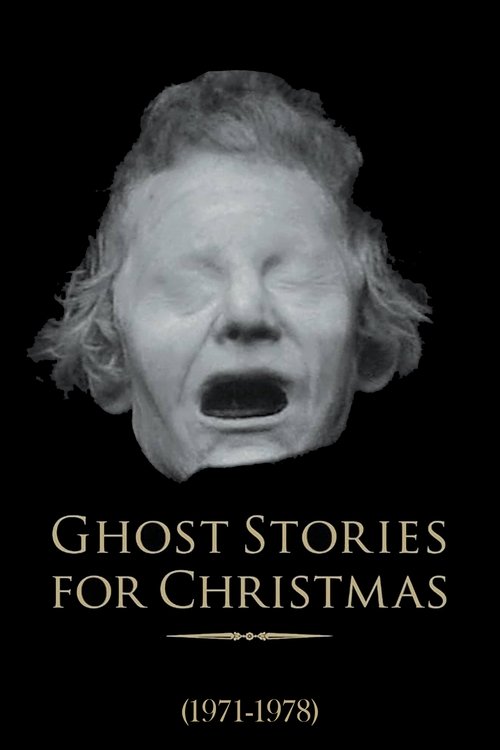
0Ghost Stories for Christmas
Broadcast in the dying hours of Christmas Eve, the BBC's A Ghost Story for Christmas series was a fixture of the seasonal schedules throughout the 1970s. For ten years viewers were chilled and terrified by atmospheric literary adaptations as well as sinister contemporary tales.

A Ghost Story for Christmas
A strand of annual British short television adaptations of classic ghost stories, referencing the oral tradition of telling supernatural tales at Christmas. First broadcast on BBC One from 1971 to 1978, and revived in 2005 on BBC Four.

Film 2013
The Film programme is a British film review television programme, broadcast weekly on BBC One, presented by Claudia Winkleman and Danny Leigh. The title of the show changes each year to incorporate the year of broadcast, with the current series being Film 2013, but when referring to successive series, the BBC calls it "the Film programme". The show was previously presented by Barry Norman between 1972 and 1998, and by Jonathan Ross from 1999 to 2010, before receiving a format revamp with the introduction of Claudia Winkleman as host from 2010.

Tom Brown's Schooldays
In 1830s England, Tom Brown attends a rugby boys' school, where his moral and personal growth is formed through friendship, bullying–particularly from the cruel Flashman–and the influence of headmaster Dr Thomas Arnold.
Now Look Here...
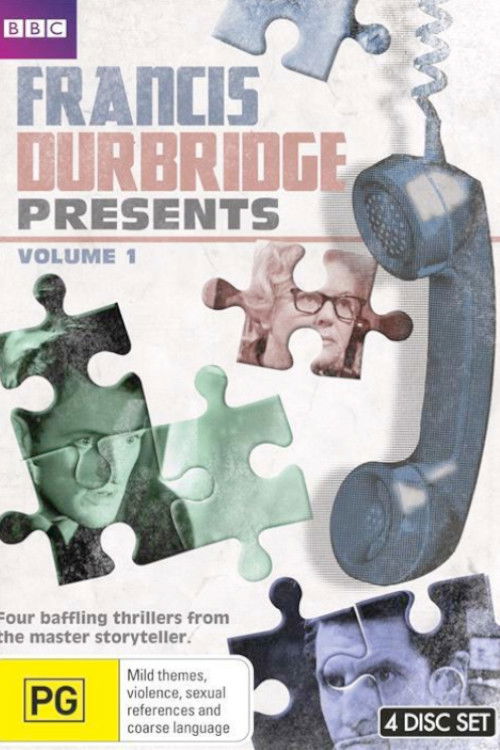
The Passenger
A Francis Durbridge mystery.
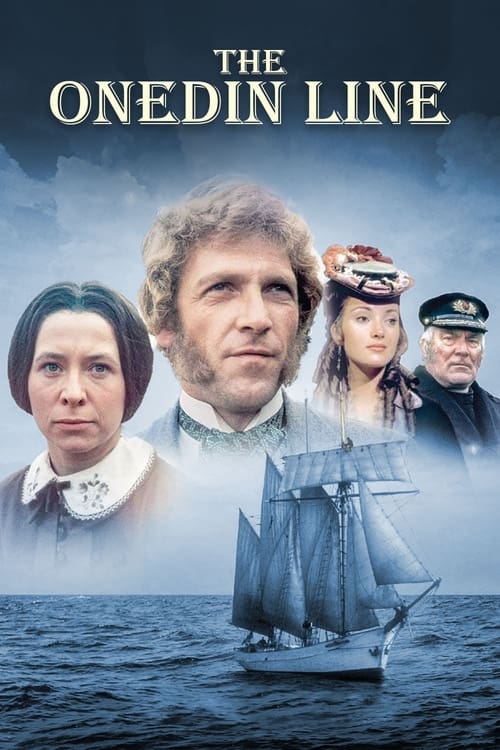
The Onedin Line
The Onedin Line is a BBC television drama series which ran from 1971 to 1980. The series was created by Cyril Abraham. The series is set in Liverpool from 1860 to 1886 and deals with the rise of a shipping line, the Onedin Line, named after its owner James Onedin. Around this central theme are the lives of his family, most notably his brother and partner, shop owner Robert, and his sister Elizabeth, giving insight into the lifestyle and customs at the time, not only at sea, but also ashore. The series also illustrates some of the changes in business and shipping, such as from wooden to steel ships and from sailing ships to steam ships. It shows the role that ships played in affairs like international politics, uprisings and the slave trade.
0The Witch's Daughter
Perdita, an orphaned teenage girl, lives on a remote island in the Hebrides.
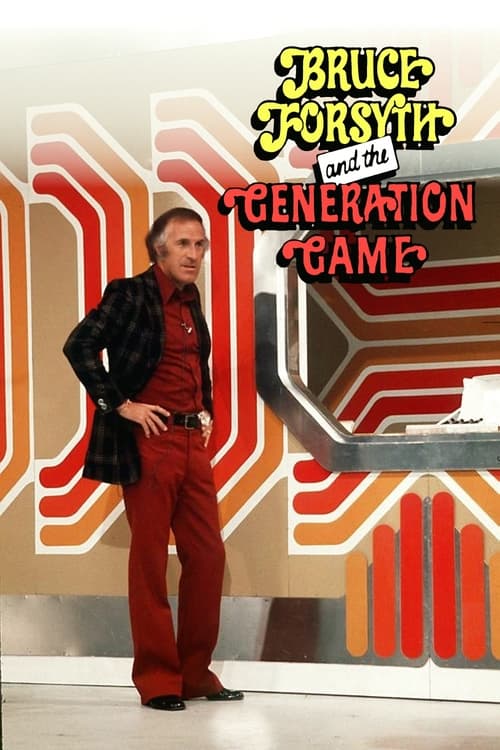
The Generation Game
The Generation Game was a British game show produced by the BBC in which four teams of two competed to win prizes. The programme was first broadcast in 1971 under the title Bruce Forsyth and the Generation Game and ran until 1982, and again from 1990 until 2002. The show was based on the Dutch TV show Een van de acht, "One of the Eight", the format devised in 1969 by Theo Uittenbogaard for VARA Television. Mrs. Mies Bouwman - a popular Dutch talk show host and presenter of the show - came up with the idea of the conveyor belt. She had seen it on a German programme and wanted to incorporate it into the show. Another antecedent for the gameshow was 'Sunday Night at the London Palladium' on ATV, which had a game called Beat the Clock, taken from an American gameshow. It featured married couples playing silly games within a certain time to win prize money. This was hosted by Bruce Forsyth from 1958, and he took the idea with him when he went over to the BBC.
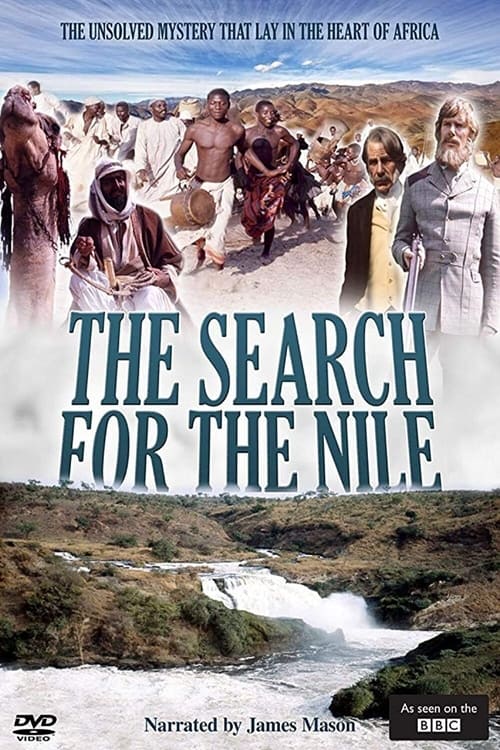
The Search for the Nile
The Search for the Nile is a 1971 BBC One docudrama miniseries about the 19th-century European quest to find the source of the Nile River, focusing on explorers like Richard Burton, John Hanning Speke, and David Livingstone. The acclaimed six-part series, starring Kenneth Haigh as Burton, is known for its detailed portrayal of the explorers' hardships, rivalries, and discoveries, winning a Primetime Emmy and a Peabody Award.
 0
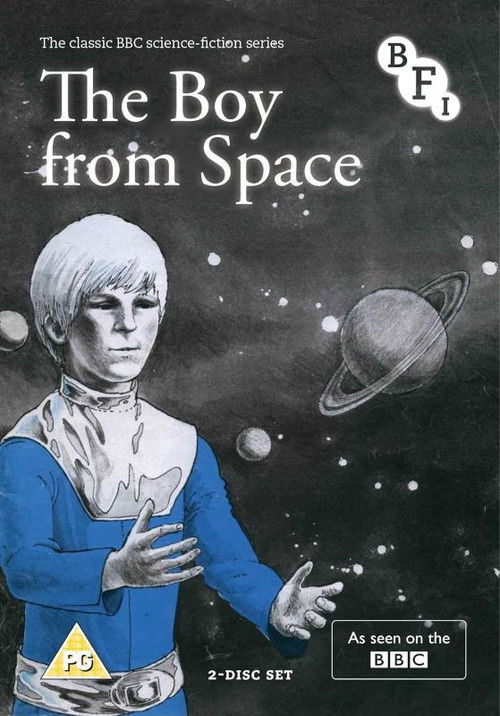
0The Boy from Space
Young siblings Dan and Helen must protect their new friend, a strange blue alien boy they name Peep-Peep, from the terrifying evil alien known only as The Thin (Space) Man, who's after him.
Barlow
Barlow at Large is a British television programme created by Troy Kennedy Martin and Elwyn Jones. It broadcast from September 1971 to February 1975, with a total of 29 episodes across four series. Stratford Johns reprises his role of DCI Charles Barlow from Z-Cars, Softly, Softly, and Softly, Softly: Taskforce. Barlow at Large originated as a three-part self-contained spin-off from Softly, Softly in 1971 with Barlow co-opted by the home office to investigate police corruption in Wales. Johns departed in 1972, but returned for a further series of Barlow at Large in the following year, Barlow having gone on full-time secondment to the Home Office. In 1974, the series was rebranded Barlow and two further series of eight episodes each followed, introducing DI Tucker. After the finale's transmission in February 1975, Barlow was next seen in the programme Second Verdict in which he, alongside a former colleague, investigates unsolved cases and unsafe historical convictions.
0Nairn's Journeys
Writer and journalist Ian Nairn presents a series of travels, examining architecture and culture across Europe.
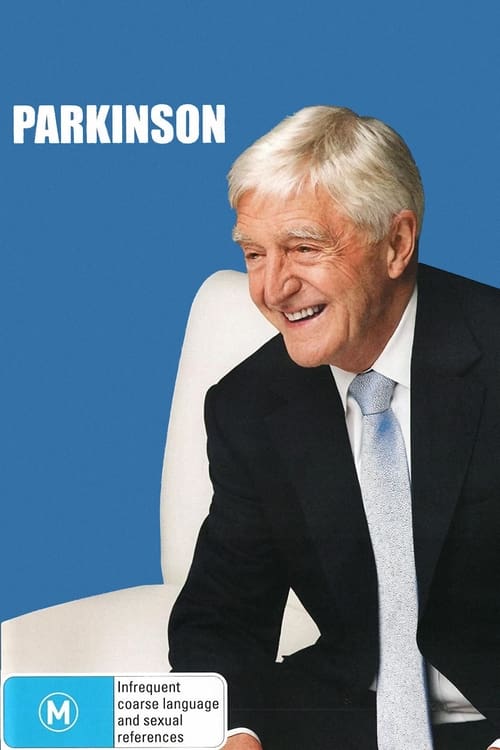
Parkinson
Parkinson (1971) is a British television Interview show that was presented by Michael Parkinson.
 0
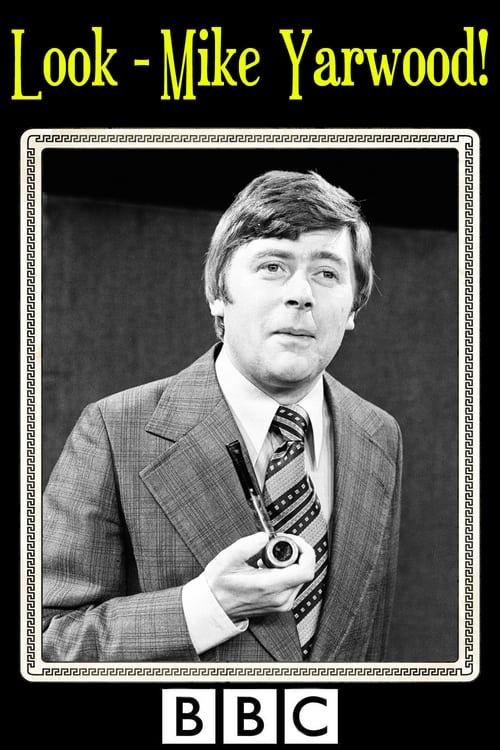
0Look - Mike Yarwood!
The original BBC TV series that ran for six series from 1971 until 1976, when later that year he returned with a new series Mike Yarwood In Persons. He performed sketches impersonating famous faces of the day. At its height the show regularly drew audiences of up to 18 million viewers.
Brett
Brett, a journalist with a taste for the high life and a penchant for trouble. a powerful and ambitious man who would become a tycoon, but with his shady past catching up with him, brings him conflict with people he had crossed.
0A Question of News
News-based spin-off of A Question of Sport.
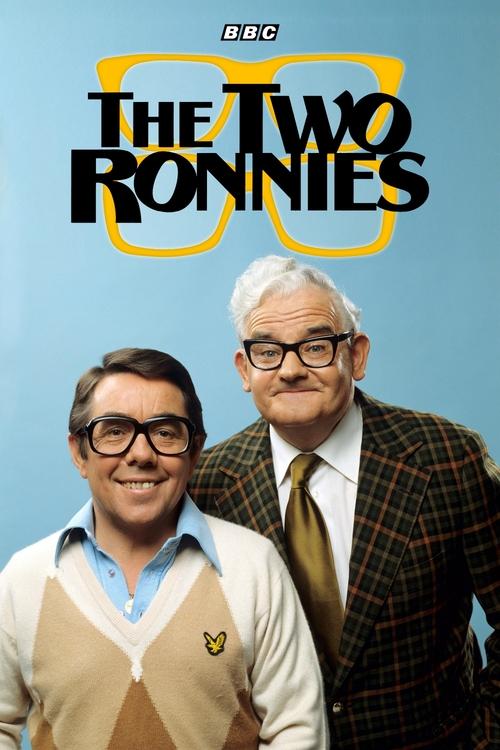
The Two Ronnies
The Two Ronnies is a British sketch show which aired on BBC1 from 1971 to 1987. It featured the double act of Ronnie Barker and Ronnie Corbett, the "Two Ronnies" of the title.
0Now Take My Wife
Now Take My Wife was a BBC situation comedy which ran for only one series of 14 episodes in 1971. It starred Sheila Hancock and Donald Houston as a suburban middle-class couple, Claire and Harry Love. He would start each episode by turning to the camera and saying "Now ... take my wife". They had a teenage daughter, played by Liz Edmiston. Their next-door neighbour was an eccentric German woman, who also had a daughter. Of the 14 episodes, two are currently missing from the BBC archives; they were either wiped to reuse the tapes or possibly lost at one stage after their first broadcast. Several years later, in a Guardian interview, Hancock indicated that she was not very happy with the programme, seeing it as an example of the sort of stereotyped role for women actors she landed. However, her character often got the better of her husband during each episode.