

BBC One
Featured Show:
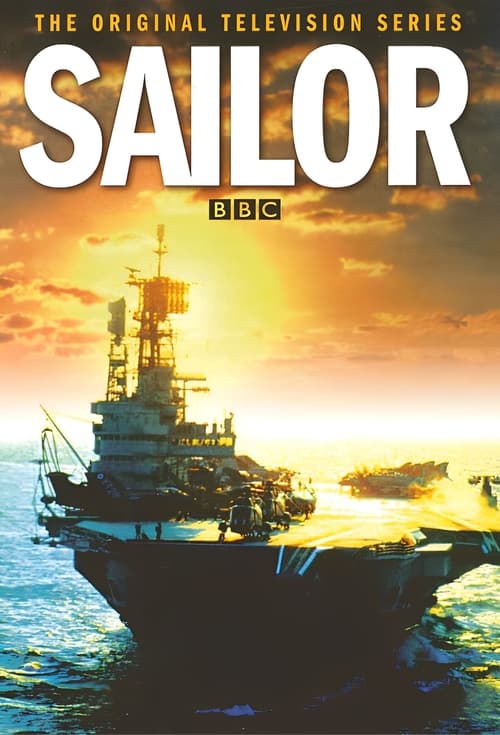
Sailor
A major BBC television documentary series, first shown in 1976. About the life on board the fourth HMS Ark Royal, a British aircraft carrier. It followed the ship on a five and a half month deployment to North America in 1976 & the follow up years later to find out about some of the characters.
BBC One TV Shows
2572 shows • Page 104 of 129
 0
0Sailor
A major BBC television documentary series, first shown in 1976. About the life on board the fourth HMS Ark Royal, a British aircraft carrier. It followed the ship on a five and a half month deployment to North America in 1976 & the follow up years later to find out about some of the characters.

Second Verdict
Second Verdict is a six-part 1976 BBC television series, a dramatised documentaries of classic criminal cases and unsolved crimes from history re-appraised by fictional police officers. Stratford Johns and Frank Windsor reprised for a final time their double-act as Detective Chief Superintendents Barlow and Watt, hugely popular with TV audiences from the long-running series Z-Cars; Softly, Softly; and Barlow at Large.
One-Upmanship
A quintessentially British comedy-of-manners. Based at the fictional Yeovil College of Lifemanship, Richard Briers plays Stephen Potter and is joined by Peter Jones as the snooty Gatling-Fenn and Frederick Jaeger, complete with monocle, playing Cogg-Willoughby. "The world is divided into two types of people," Potter says, "winners and losers, the one-up and the one-down. He who is not one-up is surely one-down".

Open All Hours
Open All Hours is a British television sitcom created and written by Roy Clarke, starring Ronnie Barker as penny-pinching corner-shopkeeper Albert Arkwright, and David Jason as his nephew and assistant Granville. The programme originated as a 1973 episode of Barker’s comedy anthology Seven of One, and later ran for 26 episodes; the first series broadcast on BBC2, the remaining three series broadcast on BBC1.
One Man and His Dog
One Man and His Dog is a television series in the United Kingdom featuring sheepdog trials, originally presented by Phil Drabble, with commentary by Eric Halsall and, later, by Ray Ollerenshaw. In 1994, Robin Page replaced Drabble as the main presenter. Gus Dermody took over as commentator. At its peak, in the early 1980s, it attracted audiences in excess of eight million. The last regular series aired in 1999; however, the same year also saw the first of a series of Christmas specials, which continued annually until 2011, which have been contested by teams of shepherds from the four nations of England, Scotland, Wales and Ireland, in the three categories of Singles, Brace and Young Handlers. Dermody has remained as a commentator ever since. The main hosts have been Clarissa Dickson Wright, followed by Ben Fogle with co-host Shauna Lowry, and Kate Humble. Matt Baker joined the programme as a co-commentator in 2006, and additionally became the main host in 2011. In 2012, the show was broadcast in two parts in September, and Baker was joined as a main presenter by Michaela Strachan. In July 2013, it was announced that One Man and His Dog is to have a new home on BBC One, as part of rural affairs show Countryfile.
Kizzy
Kizzy is a six-part 1976 BBC television miniseries based on Rumer Godden's novel The Diddakoi. It starred Vanessa Furst as orphan traveller (or Romani girl) called Kizzy, who faces persecution, grief and loss in a hostile, close-knit village community.
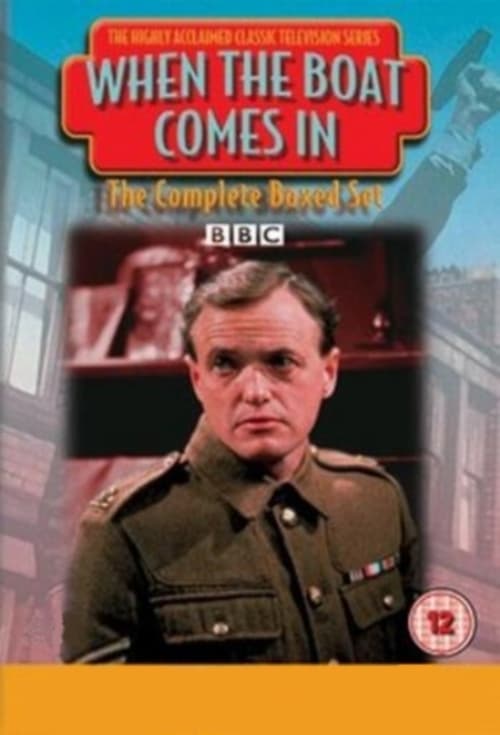
When the Boat Comes In
When the Boat Comes In is a British television period drama produced by the BBC between 8 January 1976 and 21 April 1981. Taking place between 1919 to 1937, Jack Ford is a veteran of The Great War who returns to his poverty-stricken (fictional) town of Gallowshield in the North East of England. It dramatises the interwar political struggles of the 1920s and 1930s, and explores the impact of national and international politics upon Ford and those around him.
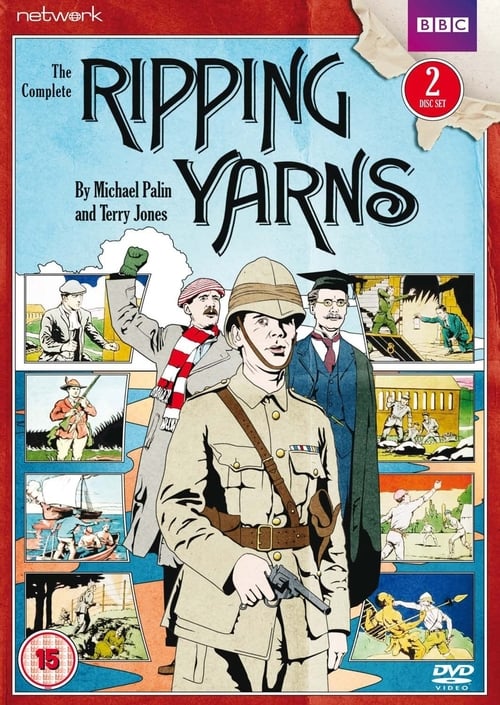
Ripping Yarns
A British television comedy series, written by Michael Palin and Terry Jones of Monty Python fame. Following an initial pilot episode in January 1976, it ran for two subsequent series of five and three episodes in October 1977 and October 1979 respectively. Each episode had a different setting and characters, looking at a different aspect of British culture and parodying pre-World War II literature aimed at schoolboys.
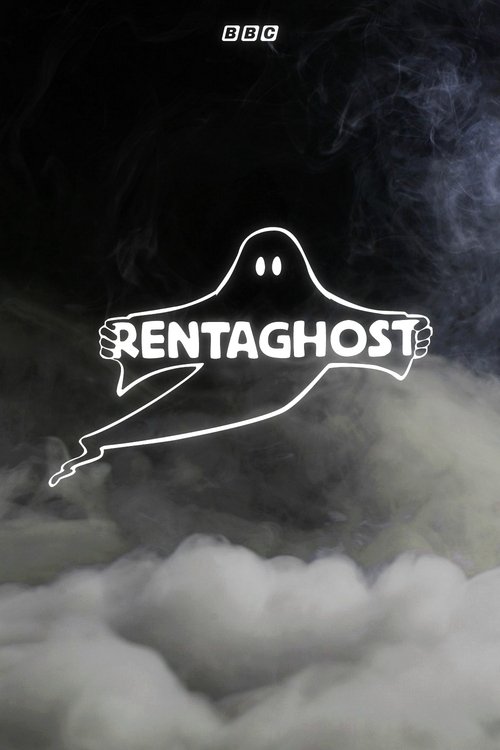
Rentaghost
Rentaghost was a British children's television comedy show, broadcast by the BBC between 6 January 1976 and 6 November 1984. The show's plot centred on the antics of a number of ghosts who worked for a firm called Rentaghost, which rented out the ghosts for various tasks.
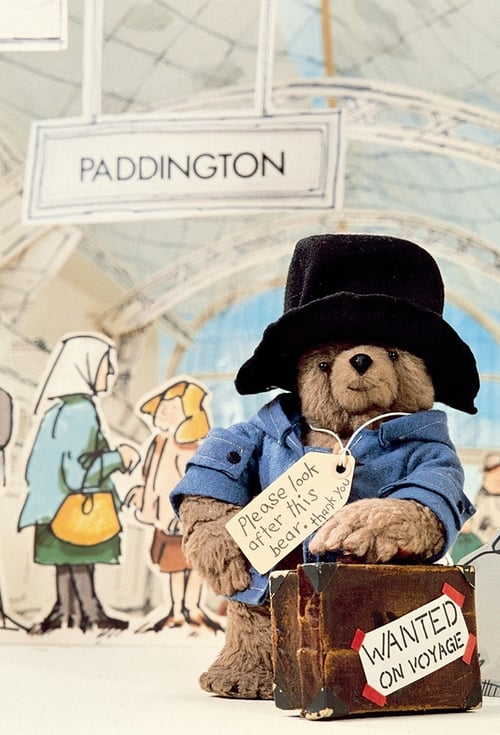
Paddington Bear
Paddington Bear is a series of British animated shorts based on the Paddington Bear book series by Michael Bond produced by FilmFair. This was the first television series based on the popular children's book Paddington Bear. In the United States it was usually shown on pay television as filler in between programs. Its narrator was actor Michael Hordern. It was one of the few television programmes to combine a puppet show with cartoon - Paddington himself was a puppet, but other characters in the series were depicted as cartoon characters. The series has a very distinctive art style. Paddington himself is a stop-motion animated puppet who moves within a 3-dimensional space and interacts with 2-dimensional animated drawings of the human characters, buildings, etc. The series, along with all other FilmFair productions is currently owned by DHX Media of Canada.
Striker
Following his mother's death and a move to a new area, Ben Dyker secretly joins a hopeless local youth team. His father, a disillusioned former footballer, eventually discovers this but later agrees to coach the team. The series also highlights the struggle to include a talented local girl in a 'boys only' league.
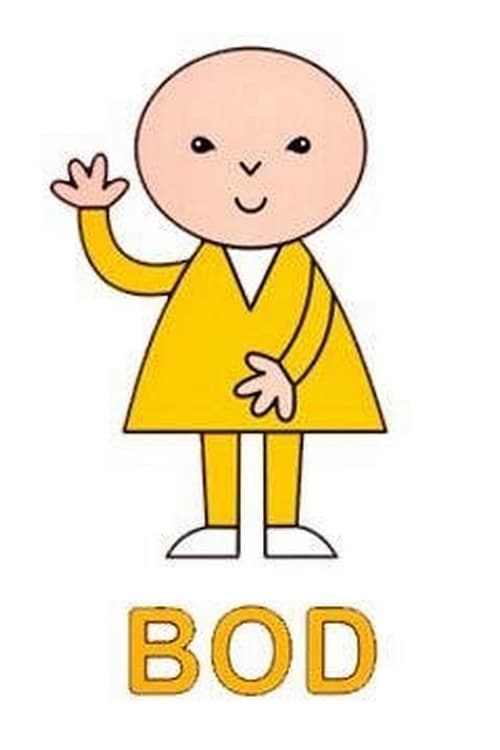
Bod
Classic BBC children's animated television series about the adventures of a little boy who lives in a town with his friends Aunt Flo, P.C. Copper, Frank the Postman and Farmer Barleymow, also featuring Alberto Frog and his Amazing Animal Band.
 0
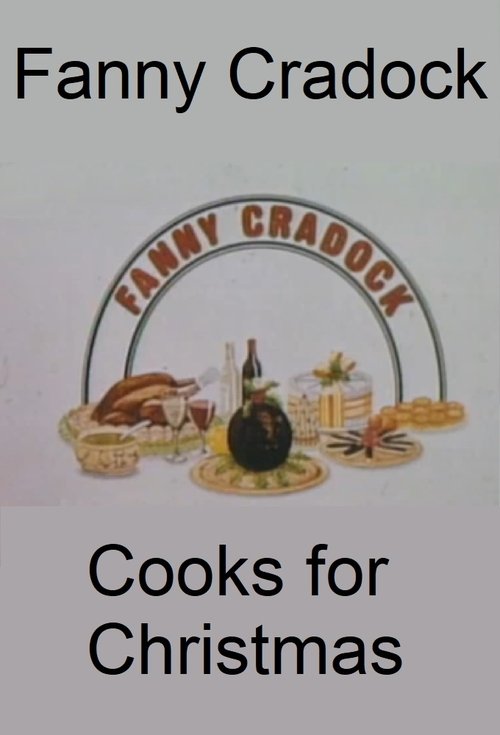
0Fanny Cradock Cooks for Christmas
Fanny presents a collection of traditional Christmas recipes from the 1970s. Petit fours, mincemeat, cake, turkey and the pudding… we've got your whole Christmas meal covered
The Day After Tomorrow
The Day After Tomorrow is a 1975 British science-fiction television drama produced by Gerry Anderson between the two series of Space: 1999. Written by Johnny Byrne and directed by Charles Crichton, it stars Brian Blessed, Joanna Dunham and Nick Tate, and is narrated by Ed Bishop. It first aired in the United States on NBC, as an episode of the children's science education series Special Treat, in December 1975. In the UK, BBC1 broadcast the programme as an independent special in December 1976, and again in December 1977. The plot of The Day After Tomorrow relates to the interstellar mission of Altares, a science vessel of the future that can travel at the speed of light. Departing from its original destination, Alpha Centauri, Altares moves deeper into space and her crew of three adults and two children encounter phenomena such as a meteor shower, a red giant star and, finally, a black hole, which pulls the ship into another universe. Originally commissioned to produce a child-friendly introduction to Albert Einstein's special relativity theory in the form of an action-adventure, Anderson and Byrne conceived The Day After Tomorrow as the pilot episode of a TV series. To this end, writer and producer proposed the alternative title "Into Infinity", although their limited budget precluded the production of further episodes. With a cast and crew that included veterans of earlier Anderson productions, filming on The Day After Tomorrow ran from July to September 1975 and consisted of ten days of principal photography and six weeks of special effects shooting. The visuals of Space: 1999 influenced both special effects technician Martin Bower, the designer of the scale models that appear in the programme, and production designer Reg Hill, who re-used set elements from various episodes of Space: 1999 to construct the Altares interiors. Newcomer Derek Wadsworth collaborated with Steve Coe to compose the theme and incidental music.
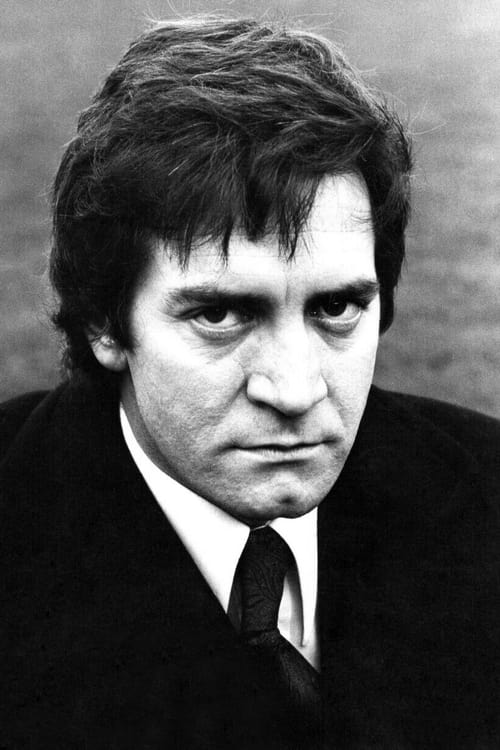
State of Emergency
Thriller series set in a parallel Great Britain run by a fascist dictatorship

The Legend of Robin Hood
The Legend of Robin Hood was a 1975 BBC television serial that told the story of the life of Robin Hood.
 0
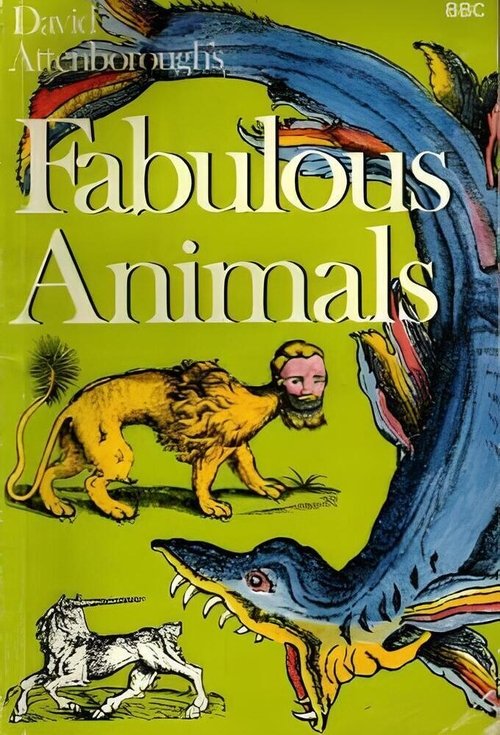
0Fabulous Animals
Travelers' stories have long fueled beliefs in the existence of dragons, giants, sea monsters, mermaids, and magical unicorns in distant corners of the world. David Attenborough investigates these legends to uncover the truth.
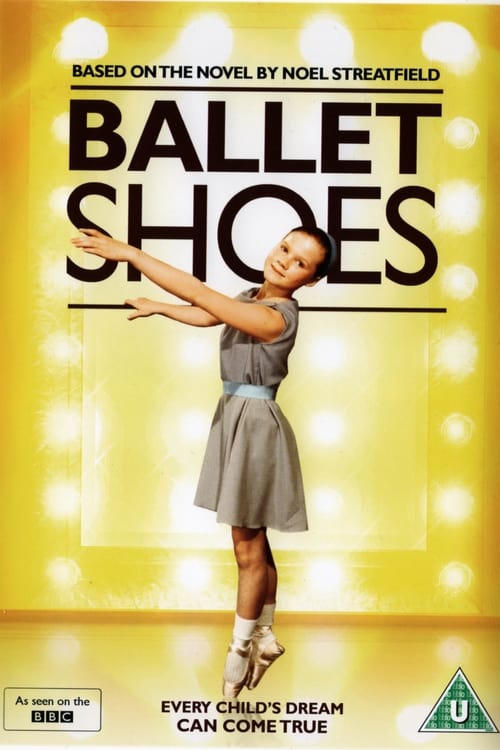
Ballet Shoes
Ballet Shoes is British television adaptation of Noel Streatfeild's novel Ballet Shoes first broadcast on BBC One in 1975. Adapted by John Wiles and directed by Timothy Combe, the series was aired in six parts on Sunday evenings. It was aired by PBS in the United States on 27 December 1976.
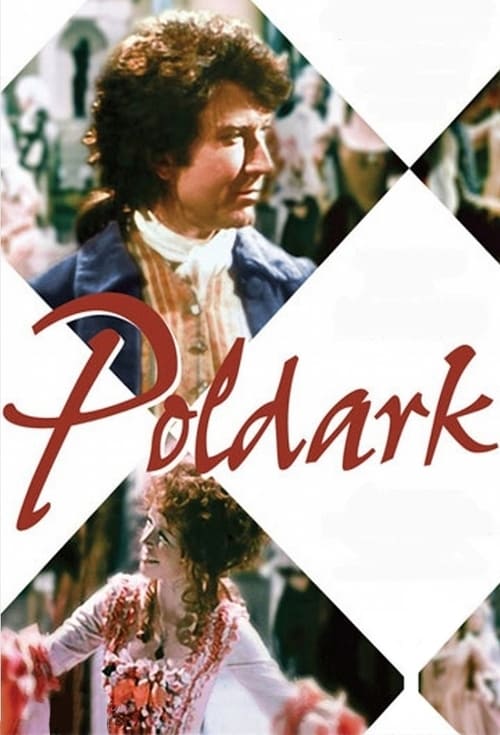
Poldark
Poldark is a television drama based on Winston Graham's novels of the same title. It was first transmitted on BBC Two across two seasons between 1975 and 1977. The adaptation covered all seven novels (of the eventual twelve) published up to the time. In late 18th-century Cornwall, Ross Poldark loses his fiancée, well-bred beauty Elizabeth, to his cousin Francis. He ends up marrying his servant, Demelza Carne, but his passion for Elizabeth simmers on for years. Meanwhile, he strives to make his derelict copper mines a success. Life is hard, smuggling is rife, and Ross finds himself taking the side of the underclass against the ruthless behaviour of his enemies, the greedy Warleggan clan.
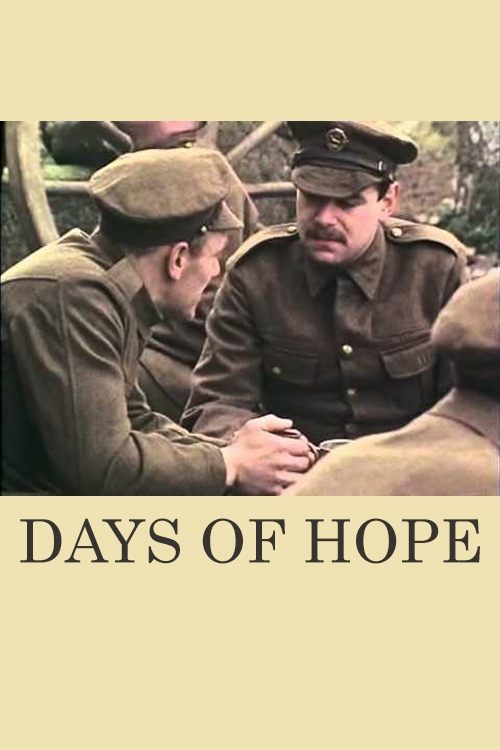
Days of Hope
Days of Hope is a BBC television drama serial produced in 1975. The series dealt with the lives of a working-class family from the turmoils of the First World War in 1916 to the General Strike in 1926. It was written by Jim Allen, produced by Tony Garnett and directed by Ken Loach.