
BBC One
Featured Show:
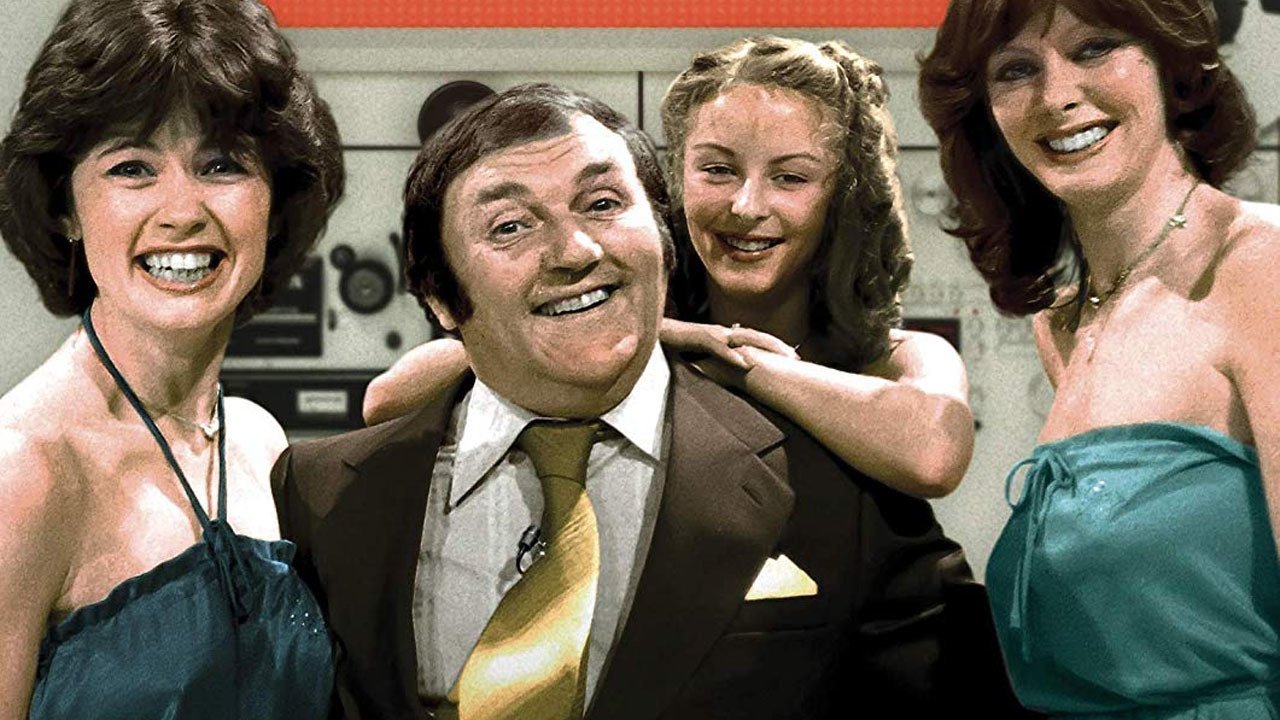
The Dawson Watch
Comedy show set in its own headquarters from which it offers advice, via Les, to the general public on numerous topics including; entertainment, the environment, love and marriage, the media, health, crime, education and much more.
BBC One TV Shows
2571 shows • Page 101 of 129
 0
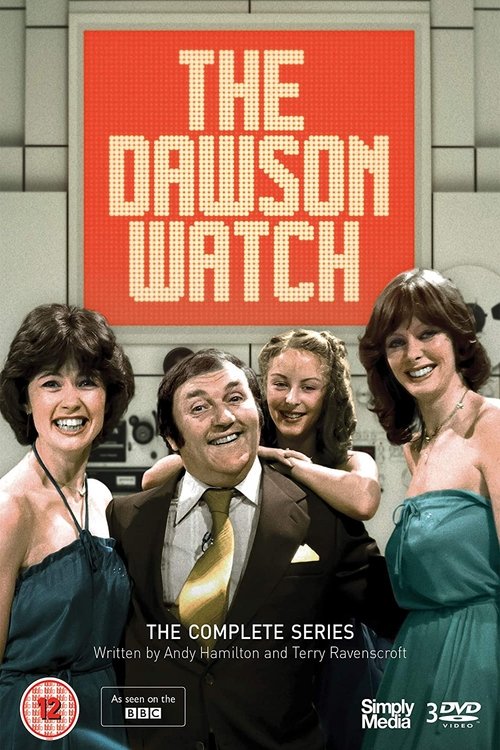
0The Dawson Watch
Comedy show set in its own headquarters from which it offers advice, via Les, to the general public on numerous topics including; entertainment, the environment, love and marriage, the media, health, crime, education and much more.
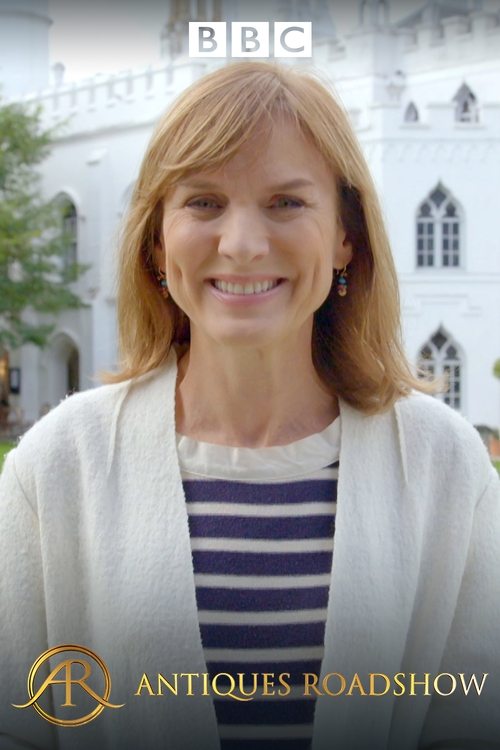
Antiques Roadshow
Antiques Roadshow is a British television show in which antiques appraisers travel to various regions of the United Kingdom to appraise antiques brought in by local people. It has been running since 1979. There are also international versions of the programme.
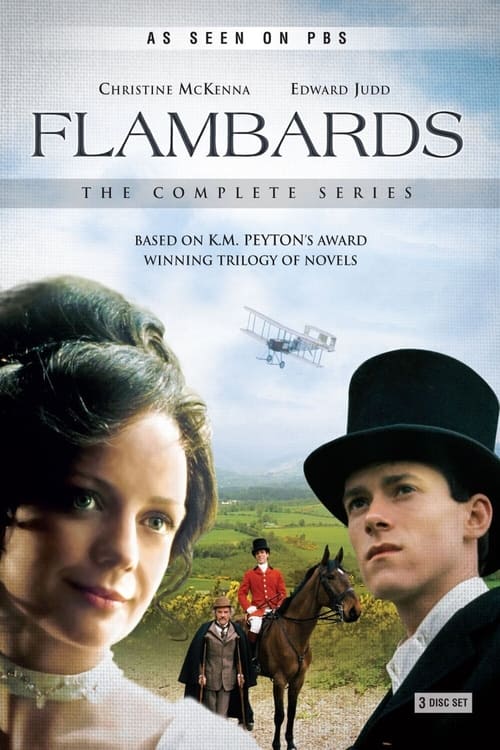
Flambards
In early 20th-century England, young orphan Christina Parsons is sent to live with her Uncle Russell, who owns the country estate of Flambards, and has two sons. Mark, the elder, is a wastrel, a roue and, like his father, loves to hunt. The younger, William, lives to fly aeroplanes. Christina finds herself struggling with the ideas of classism as she falls in love with country life, the hunt, and one of her cousins. But after an impulsive marriage, when her husband is called away by the First World War, Christina must keep Flambards afloat by herself.
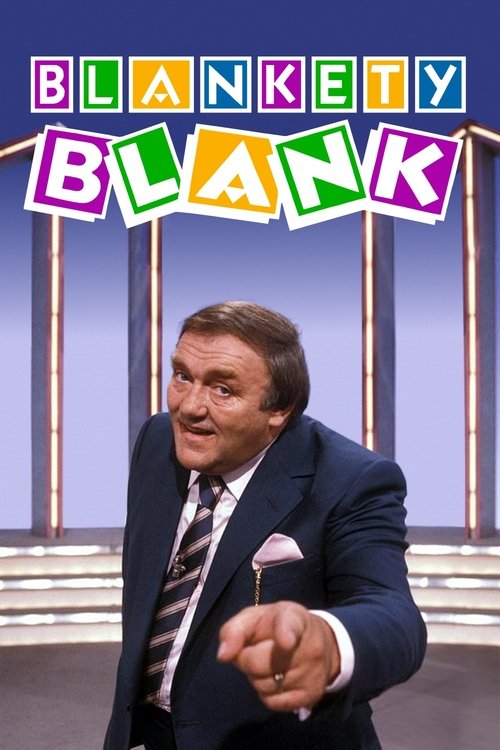
Blankety Blank
Blankety Blank is a British comedy game show based on the 1977–1979 Australian game show Blankety Blanks. The British version ran from 18 January 1979 to 12 March 1990 on BBC One, hosted first by Terry Wogan and later by Les Dawson. Regular members of the celebrity panel on this version included Kenny Everett, Lorraine Chase, Gareth Hunt, Gary Davies, and Cheryl Baker. A revival fronted by Lily Savage was produced by the BBC from 26 December 1997 to 28 December 1999, followed by ITV from 7 January 2001 to 10 August 2002. This version was produced by Grundy, then Thames.
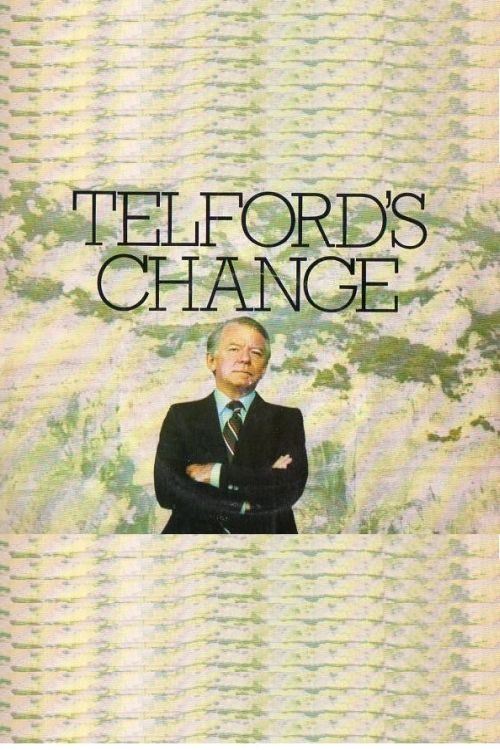
Telford's Change
Telford's Change is a 1979 BBC television series by Brian Clark which stars Peter Barkworth who plays bank manager, Mark Telford, who takes a backward step in his career in order to retreat from the rat race. He relinquishes his job in international banking and becomes a local branch manager in Dover. Telford's wife Laura (Hannah Gordon) and son Peter (Michael Maloney) remain in London where Laura is romantically pursued by her theatrical colleague Tim (Keith Barron). Despite the banking backdrop, events transpire to be less dull than one mght expect.
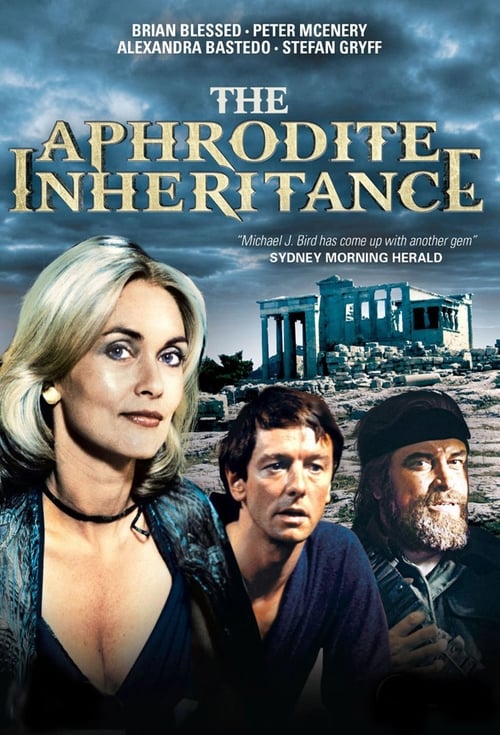
The Aphrodite Inheritance
A man visiting Cyprus to investigate the death of his brother is drawn into a strange conspiracy.
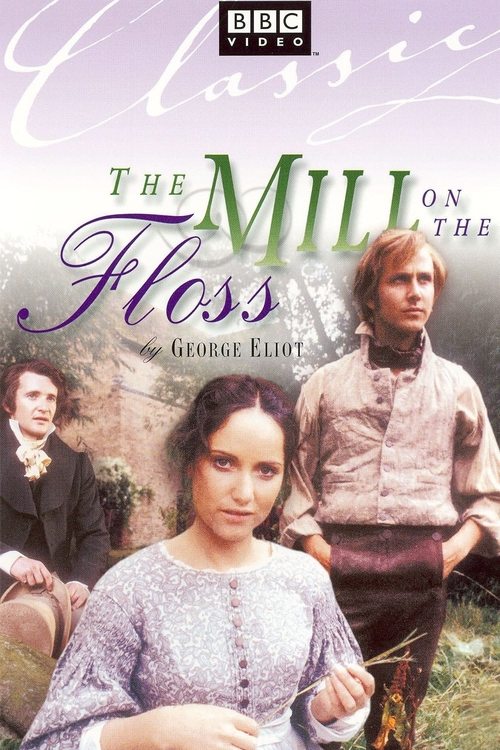
The Mill on the Floss
The Mill on the Floss is a British television drama adaptation of George Eliot's 1860 novel of the same name about the lives of rural 19th century siblings Maggie and Tom Tulliver.
 0
0Late Night Story
Late night bedtime stories. Tom Baker reads a series of macabre stories about childhood (season 1), and John Mills reads war stories (season 2).
 0
0Pinocchio
Based on the Carlo Collodi book, a macabre 4 part BBC live action Alec Drysdale dramatisation, directed by legendary Doctor Who producer Barry Letts.
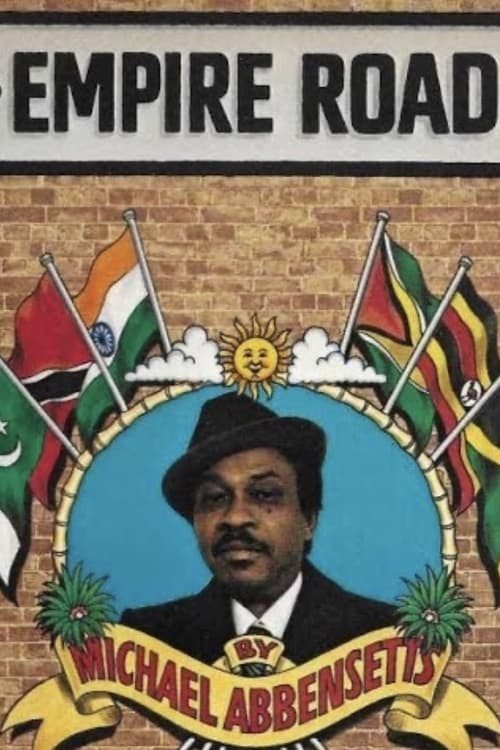
Empire Road
Empire Road was a British television series, made by the BBC in 1978 and 1979. Written by Michael Abbensetts, the show ran for two seasons of eight episodes each. The series was the first British television series to be written, acted and directed predominantly by black artists. A soap opera, similar in format to Coronation Street, Empire Road depicted life for the African-Caribbean, East Indian and South Asian residents of a racially diverse street in the city of Birmingham. Prominent cast members included Norman Beaton, Corinne Skinner-Carter, Wayne Laryea, Joseph Marcell and Rudolph Walker. The programme also provided early TV exposure for Julie Walters who appeared in a few episodes. The series was made at BBC Pebble Mill with location work in the Handsworth area of Birmingham. The eponymously named theme song was recorded by Matumbi and also released as a single in 1978.
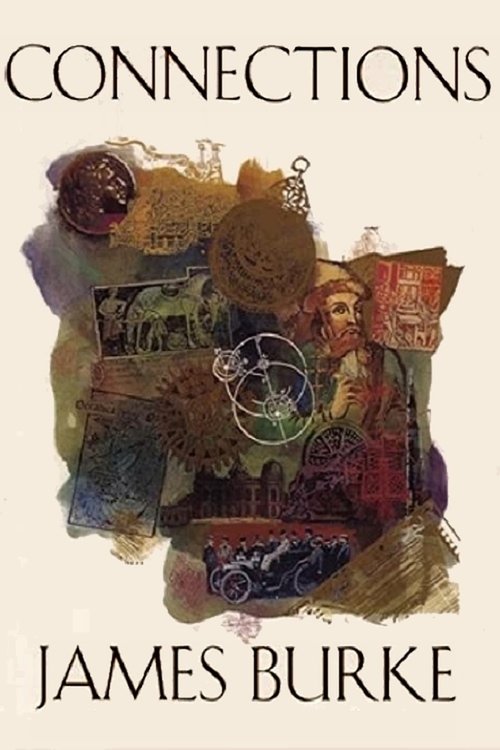
Connections
Taking an interdisciplinary approach to the history of science and invention, Connections explores an "Alternative View of Change" that rejects the conventional linear and teleological view of historical progress. To demonstrate this view, Burke begins each episode with a particular event or innovation in the past (usually ancient or medieval) and traces a path from that event through a series of connections to a fundamental and essential aspect of the modern world.
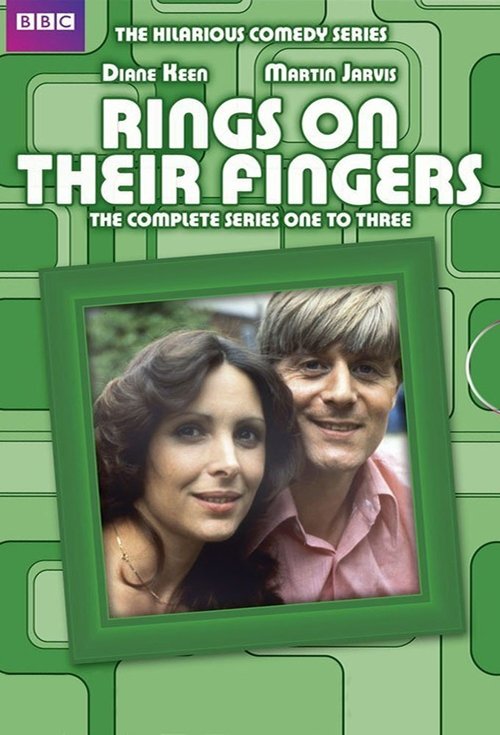
Rings on Their Fingers
Sandy Bennett and Oliver Pryde have been in a long-term relationship, and Sandy wants to marry but Oliver is content with things the way they are.
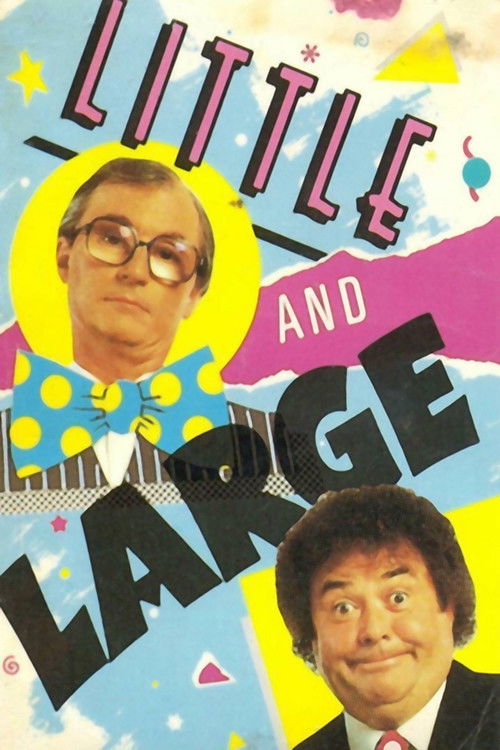
The Little And Large Show
The Little and Large Show was a comedy variety television show featuring Syd Little and Eddie Large. Its first series in 1978 was entitled just Little and Large and it was cancelled in 1991 after 11 seasons.
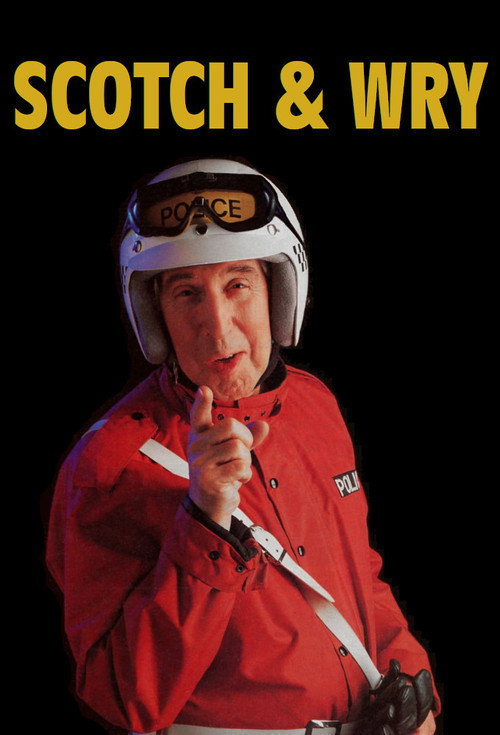
Scotch and Wry
Scotch and Wry was a Scottish comedy sketch show which was broadcast on BBC One Scotland and starred Rikki Fulton. After two series, in 1978 and 1979, the programme continued as a regular part of the channel's Hogmanay celebrations between 1980 and 1992, pulling in millions of viewers. The show gave early exposure to actors like Gregor Fisher, Tony Roper, Gerard Kelly and Miriam Margolyes.
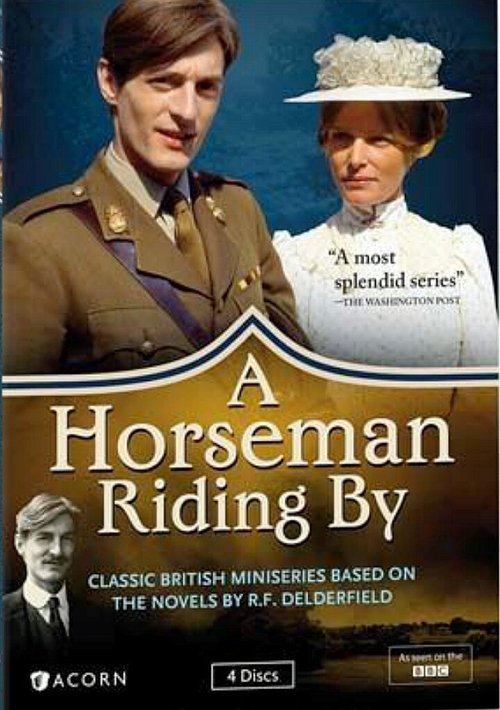
A Horseman Riding By
A Horseman Riding By is a 13-part BBC television serial produced by Ken Riddington, and adapted by Arden Winch, Alexander Baron, and John Wiles from R.F. Delderfield's 1966-68 historical novel series of the same name. Having been invalided out of the Boer War, Paul Craddock buys Shallowford, a manor house and estate in Devon, with money from his late father's scrapyard business. He soon becomes a much-respected 'Squire' determined to treat all his tenant farmers fairly, unlike his predecessor.
Touch and Go
Two bored teenagers on holiday at an English seaside resort race against time to foil a sinister plot at the local Naval College.
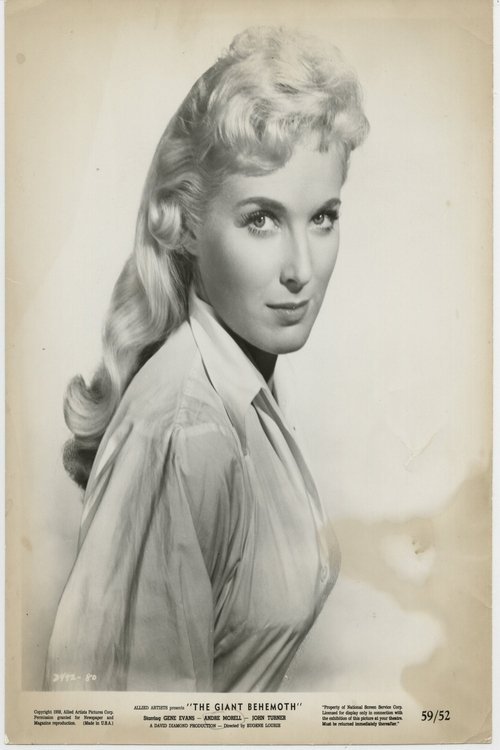
Tycoon
Tycoon is a British television drama created by John Sichel, broadcast from 18 September to 11 December 1978. Instead of taking on her late husband Sydney's job, Diana Clark loyally turns her talents to writing his biography, dredging up plenty of twists and turns along the way.
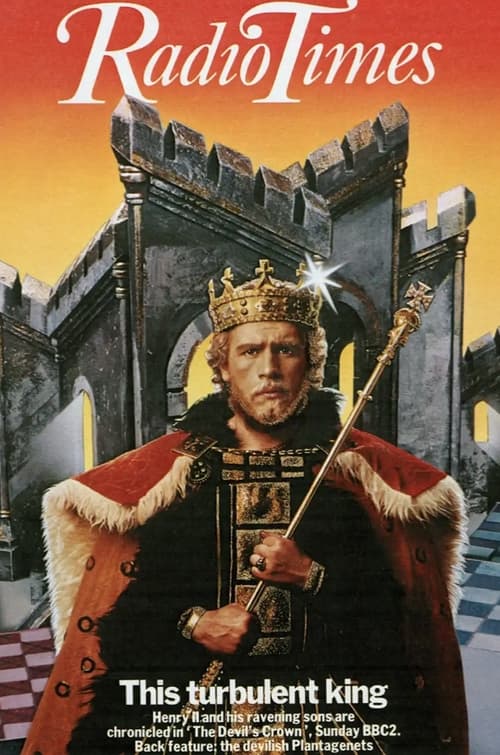
The Devil's Crown
The Devil's Crown was a BBC limited series which dramatised the reigns of three medieval Kings of England: Henry II and his sons Richard the Lionheart and John. It was broadcast in thirteen 55-minute episodes between 30 April and 23 July 1978. Henry Plantagenet (latterly Henry II), sees his opportunity to seize the crown of England and create a kingdom of law and order. He cuts a deal with King Stephen in which Stephen will name him his heir, excluding his sons Eustace and William in exchange for a fragile truce. Stephen's sudden death elevates Henry to the throne. He may have been King of England, but the bulk of the Angevin Empire was in France, and it was this that Henry regarded as the Jewel in his Crown, maintained through a series of political marriages and complex allegiances. Henry pays homage to Louis VII, King of the Franks, for these lands, but it is clear that Henry is the shrewder and more ambitious of the two kings, having married Louis' ex-wife Eleanor of Aquitaine.
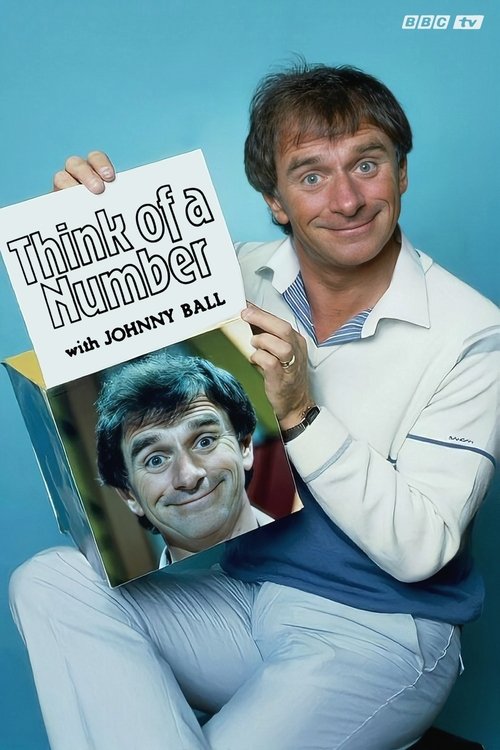
Think of a Number
A light-hearted exploration of maths and science, presented by Johnny Ball.
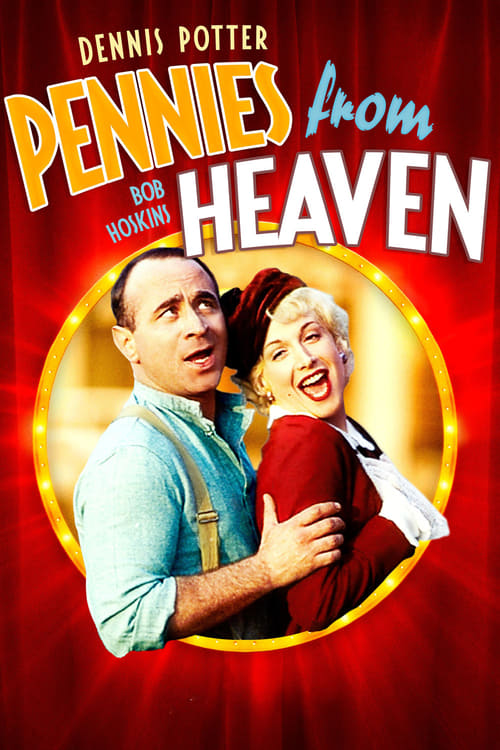
Pennies from Heaven
Pennies From Heaven is a 1978 BBC television drama serial written by Dennis Potter. The title is taken from a song of the same name written by Johnny Burke and Arthur Johnston. It was one of several Potter serials to mix the reality of the drama with a dark fantasy content, and the earliest of his works where the characters burst into miming to popular 1930s songs. During the Great Depression, a sheet music salesman seeks to escape his dreary life through popular music and a love affair with an innocent schoolteacher.