
NHK G
Featured Show:
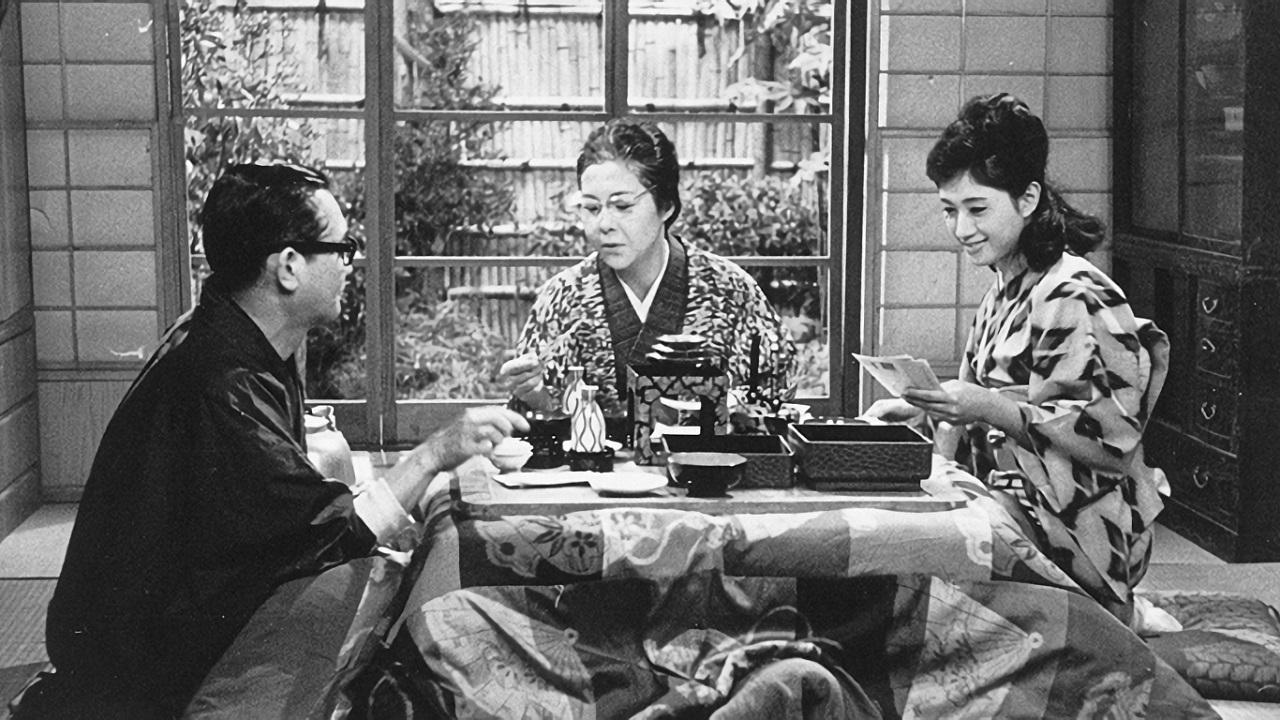
Ashita no Kaze
The 2nd NHK Asadora and the first Asadora to be broadcast in 15-minute episodes Monday through Saturday. Starring Fumiko Watanabe in a drama of a poor family after the war.
NHK G TV Shows
313 shows • Page 16 of 16
 0
0Ashita no Kaze
The 2nd NHK Asadora and the first Asadora to be broadcast in 15-minute episodes Monday through Saturday. Starring Fumiko Watanabe in a drama of a poor family after the war.
0Musume to Watashi
A television serial that was in turn adapted from a radio series and a novel, My Daughter And I featured a Japanese novelist who is married to a French woman who have one daughter. The man and his daughter begin a new life when the woman dies. Having difficulty spending time with his daughter, the man sends his daughter to a Christian boarding school. He remarries and brings his daughter back home. After the end of the World War his lot improves professionally, yet his second wife dies.
 0
0Today's Cooking
Cooking instructors will show all there is to know for a good hearty cooking.
 0
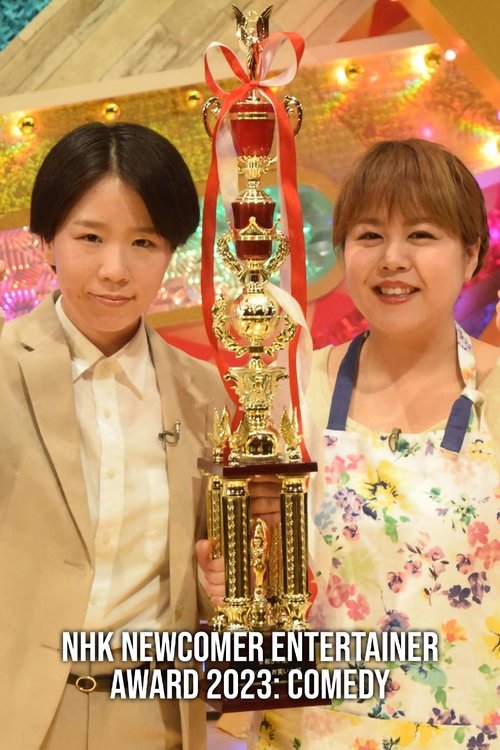
0NHK Newcomer Entertainer Award
An annual contest organized by NHK, aimed at discovering and promoting emerging talent in the fields of comedy and rakugo. With a history dating back to shows in the 1950s, it welcomes professional comedians and storytellers with up to 10 years of experience.
NHK Kōhaku Uta-Gassen
NHK Kōhaku Uta-Gassen (NHK紅白歌合戦, "NHK Red and White Song Battle"), more commonly known simply as Kōhaku, is an annual New Year's Eve television special held on December 31 every year, and produced by Japanese public broadcaster NHK. It is broadcast live simultaneously on NHK General TV, BS4K, BS8K, and NHK radio (nationally) and internationally on NHK World Premium and some overseas (mainly cable) broadcasters who buy the program. The program divides the most popular music artists of the year into competing teams of red and white. The "red" team or "akagumi" (紅組) is composed of all female artists (or groups with female vocals), while the "white" team or "shirogumi" (白組) is all male (or groups with male vocals).
 0
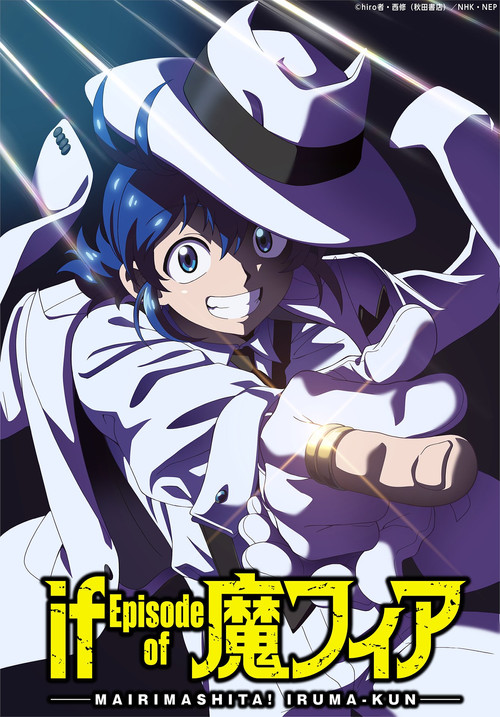
0Welcome to Demon School! Iruma-kun: IruMafia Edition
Iruma-kun, the mob boss?! In this brand-new spinoff of the runaway hit series, Iruma is a dirt-poor but kind young boy who grows up in a ruthless city slum. One day, Iruma gives a severely injured old man his last loaf of bread and nurses the stranger back to health—only to find out that the elder gent is none other than Don Sullivan, leader of the Babel Mafia! Soon after, Don Sullivan comes back, whisks Iruma away, and begs the boy to become his grandson. And just like that, the curtains rise on Iruma’s chaotic new life as the next in line to a gigantic gang of—dare we say—demonic mafiosos!
 0
0Hirayasumi
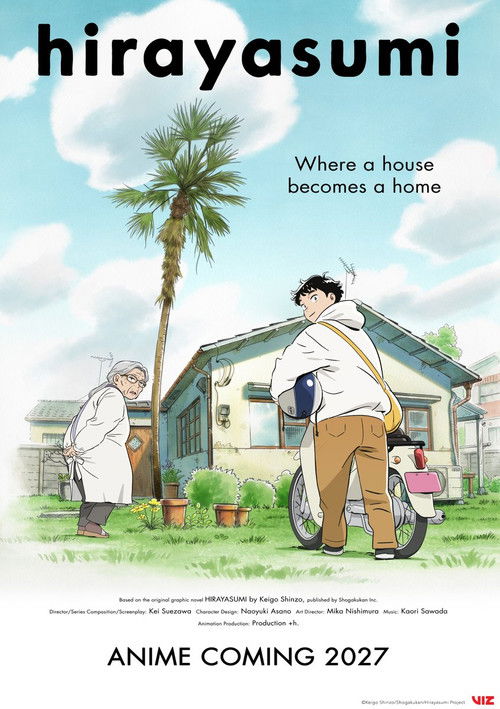
At 29 years old, carefree Hiroto Ikuta doesn't have a girlfriend, a full-time job, or a plan for the future—and he couldn't be happier. Hiroto's breezy attitude isn't easy for everyone to understand, though. In a world filled with anxiety, confusion, and grief, Hiroto and the people around him are all just doing their best to figure out this thing called life.
0北海道・かわいい動物たち〜さわやか自然百景から〜
0Utakai Hajime: Imperial Poetry Reading
The Utakai Hajime is an annual gathering, convened by the Emperor of Japan, in which participants read traditional Japanese poetry on a common theme before a wider audience. It is broadcast live on the NHK General TV and abroad on NHK World Premium.
 0
0Japan's Strongest Castles
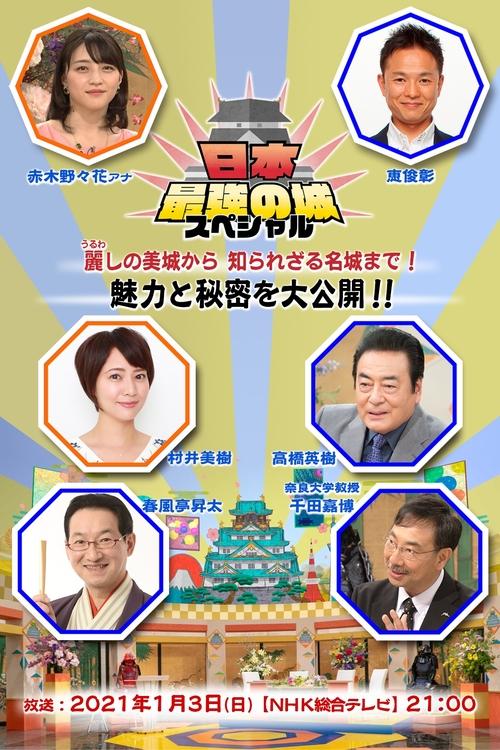
From castles with magnificent towers to ones built on steep mountains with earthen walls, the program thoroughly dissects the mysteries and secrets behind them. Where are the best viewpoints to take beautiful photos? What were the terrifying traps and devices devised by the warring feudal lords? From outdoor experiences to virtual reality.
 0
0Best of the Best: Today's Laughing Time
This program centers on rakugo (traditional Japanese comedic storytelling) and showcases performances by active storytellers, as well as valuable archival content. Viewers have the opportunity to immerse themselves in the rich variety of laughter found in the Kansai region.
0Tameshite Gatten
『ためしてガッテン』は、1995年3月29日からNHK総合テレビで放送されている日本の生活情報番組である。
0Kōhaku Uta Gassen
Kōhaku Uta Gassen, more commonly known as simply Kōhaku, is an annual music show on New Year's Eve produced by Japanese public broadcaster NHK and broadcast on television and radio, nationally and internationally by NHK's networks and some overseas broadcasters which bought the program. The show ends shortly before midnight. Literally "Red and White Song Battle," the program divides the most popular music artists of the year into competing teams of red and white. The "red" team or akagumi is composed of all female artists, while the "white" team or shirogumi is all male. The honor of performing on Kōhaku is strictly by invitation, so only the most successful singing acts in the Japanese entertainment industry can perform. In addition to the actual music performances, the costumes, hair-styles, makeup, dancing, and lighting are important. Even today, a performance on Kōhaku is said to be a big highlight in a singer's career because of the show's large reach.