
BBC Two
Featured Show:
Micro Live
Micro Live was a BBC2 TV series produced by David Allen as part of the BBC's Computer Literacy Project. The series was broadcast live and covered a wide range of computer-related topics, featuring various microcomputers beyond the BBC Micro. The first program was a two-hour special on 2 October 1983, called Making the Most of the Micro Live. A regular monthly series began in October 1984, followed by weekly half-hour programs in 1985 and 1986. The series ended in 1987. Micro Live had a less formal feel due to its live nature and included stories from the US, such as the first on-air transatlantic cellphone call made during a snowstorm.
BBC Two TV Shows
2022 shows • Page 87 of 102
Micro Live
Micro Live was a BBC2 TV series produced by David Allen as part of the BBC's Computer Literacy Project. The series was broadcast live and covered a wide range of computer-related topics, featuring various microcomputers beyond the BBC Micro. The first program was a two-hour special on 2 October 1983, called Making the Most of the Micro Live. A regular monthly series began in October 1984, followed by weekly half-hour programs in 1985 and 1986. The series ended in 1987. Micro Live had a less formal feel due to its live nature and included stories from the US, such as the first on-air transatlantic cellphone call made during a snowstorm.

The Old Men at the Zoo
An incompetently managed zoo becomes a metaphor for the state of Britain as a nuclear crisis looms over Europe.
The Gathering Seed
The saga of Manchester lad Joe Henshaw, a story that takes in family life, the trials and tribulations of the Labour movement and World War Two
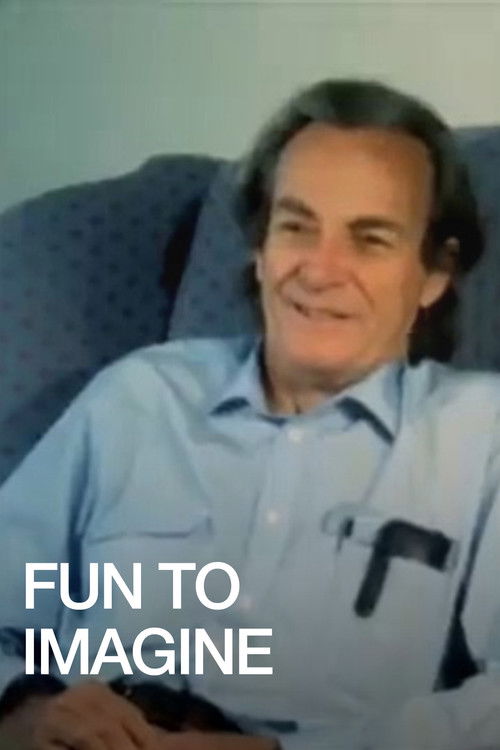
Fun to Imagine
Richard Feynman, theoretical physicist, enjoys thinking aloud about the adventures science can offer. Back in 1983, the BBC aired Fun to Imagine, a television series hosted by Richard Feynman that used physics to explain how the everyday world works – “why rubber bands are stretchy, why tennis balls can’t bounce forever, and what you’re really seeing when you look in the mirror.” In case you’re not familiar with him, Feynman was a Nobel prize-winning physicist who had a gift for many things, including popularizing science and particularly physics.
The Crystal Cube
The Crystal Cube was a spoof science program, based on shows such as Tomorrow's World. The show was hosted by Jackie Meld (Dame Emma Thompson).
 0
0BBC Cardiff Singer of the World
BBC Cardiff Singer of the World is a biennial singing competition in Cardiff, Wales. It attracts contestants from around the world to compete over five days, performing arias and songs from different genres. Since its establishment in 1983, the competition has launched the careers of renowned singers like Bryn Terfel. It offers a platform for emerging artists to gain exposure and showcases the world's finest young vocal talent. The competition is known for its prestige, with the winner receiving the coveted title of Cardiff Singer of the World. With millions of viewers worldwide, the show is a celebration of the art of singing, providing an opportunity for emerging artists to gain international exposure.
0The Good Old Way
Four part series about British folk music, originally aired on BBC2
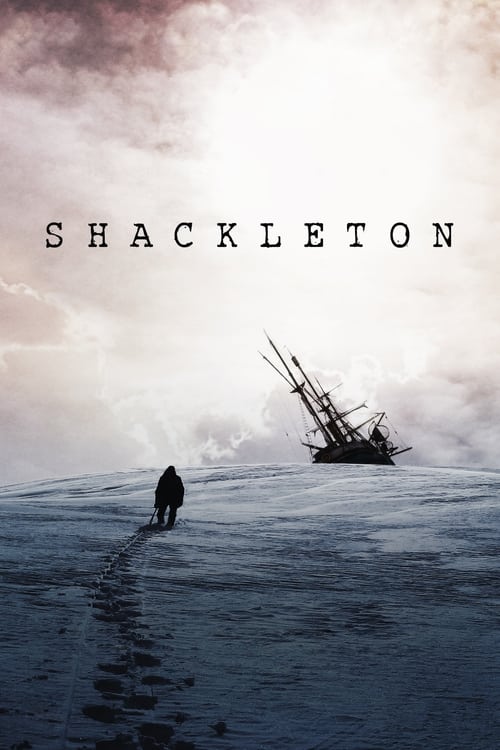
Shackleton
A four-part drama adaptation about the life of polar explorer Sir Ernest Shackleton. Based on Shackleton’s own journals. In 1914 Ernest Shackleton chooses to lead a team on their famous journey aboard the Endurance. When the ship is trapped and crushed by pack-ice, Shackleton and five of his men embark on a desperate 800-mile journey from Elephant Island to South Georgia.
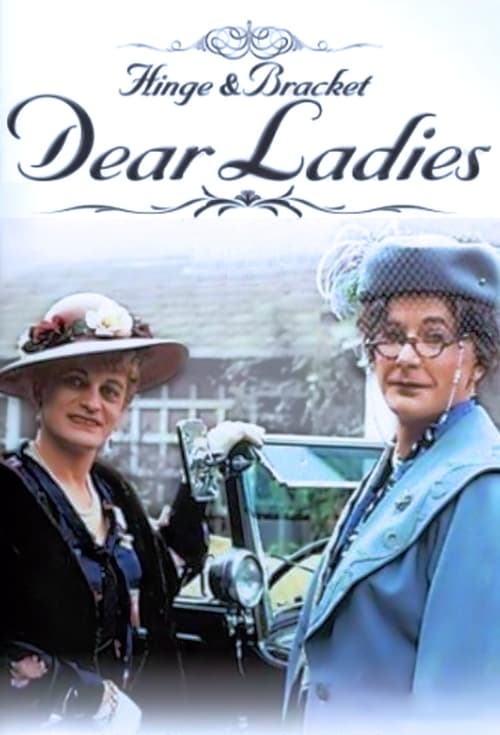
Dear Ladies
Dear Ladies is a series of half-hour episodes starring Dame Hilda Bracket and Doctor Evadne Hinge, portraying a genteel English inter-war world of cucumber sandwiches, bell ringing, bowls tournaments, church fetes and old-fashioned values recalled through the ladies, who live in the small town of Stackton Tressell.
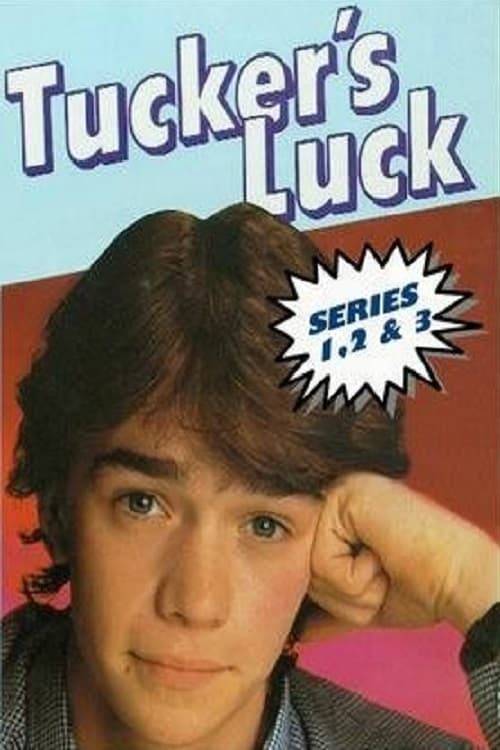
Tucker's Luck
Tucker's Luck was a British television series made by the BBC between 1983 and 1985. The series is a spin-off from the school drama Grange Hill and capitalised on the popularity of one of the series' original characters — Peter "Tucker" Jenkins, played by Todd Carty. Tucker's Luck followed the exploits of Tucker and his friends, Alan Humphries and Tommy Watson, after they had left school and their attempts to find employment and cope out there in the "real world". Three series were made, with several former Grange Hill cast members reprising their roles for the spin-off, although the programme never came close to matching the popularity of Grange Hill. The third and final series saw the first appearances of Tucker's younger sister, eight-year old Rhona, and Tucker's elder brother Barry.
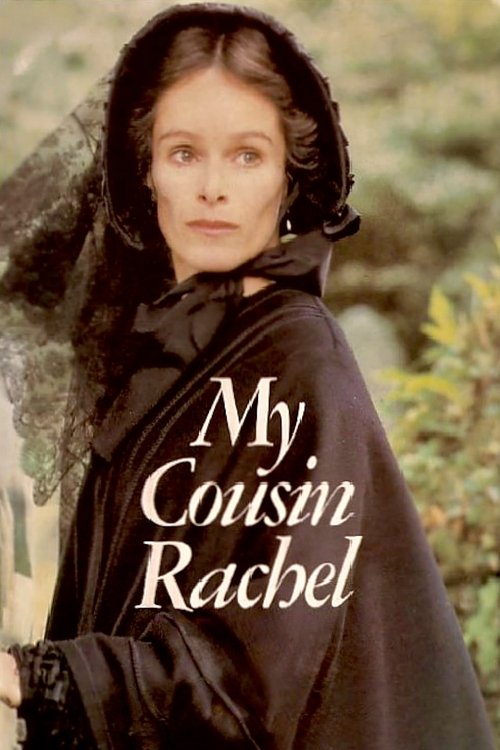
My Cousin Rachel
 0
0States of Mind
Series of programmes about psychology, in which Jonathan Miller talks to eminent psychologists about their theories and beliefs.
0Just So Stories
Just So Stories is an 80's BBC series animated by Sheila Graber, based on the collection of short childrens stories by Rudyard Kipling.
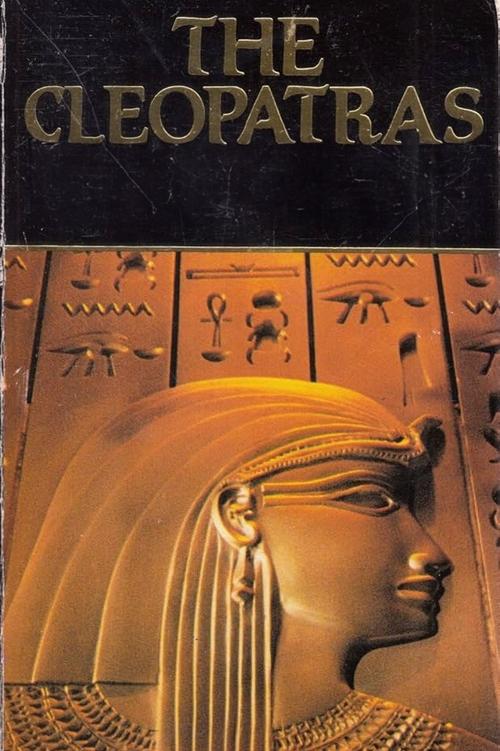
The Cleopatras
The Cleopatras is a 1983 BBC Television historical drama serial created and written by Philip Mackie. Set in Ancient Egypt during the latter part of the Ptolemaic Dynasty, the eight-part series follows the lives of a series of queens belonging to the Ptolemaic Dynasty of ancient Egypt, culminating in its final active ruler Cleopatra VII. Intended to be the I, Claudius of the 1980s, The Cleopatras met with a decidedly negative critical reaction, and was regarded and portrayed as a gaudy farce. It also produced a number of complaints due to scenes of nudity.
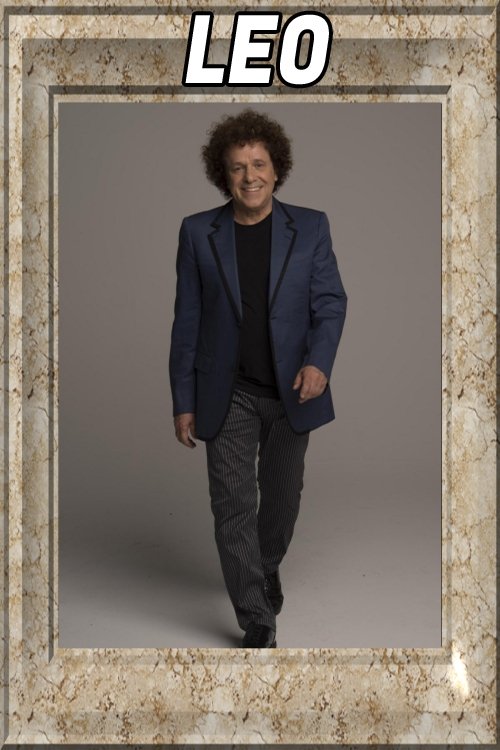
Leo Sayer
Leo Sayer brings us new songs and old hits, with added glamour from his dancers Total Eclipse, in this series of six episodes, featuring guest stars.

Making the Most of the Micro
Making the Most of the Micro was a TV series broadcast in 1983 as part of the BBC's Computer Literacy Project. It followed the earlier series The Computer Programme. Unlike its predecessor, Making the Most of the Micro delved somewhat deeper into the technicalities and uses that microcomputers could be put to, once again mainly using the BBC Micro in the studio for demonstration purposes. The series was followed by Micro Live.
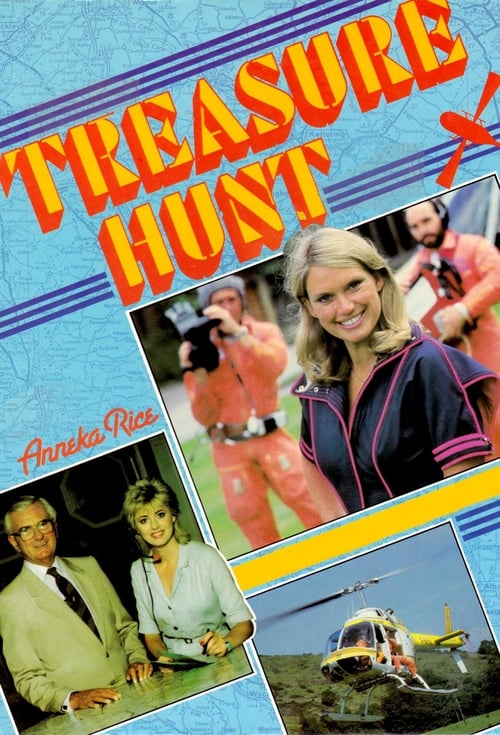
Treasure Hunt
Helicopter skyrunner Anneka Rice races against the clock to find directions to treasure at locations worked out by studio guests from cryptic clues.
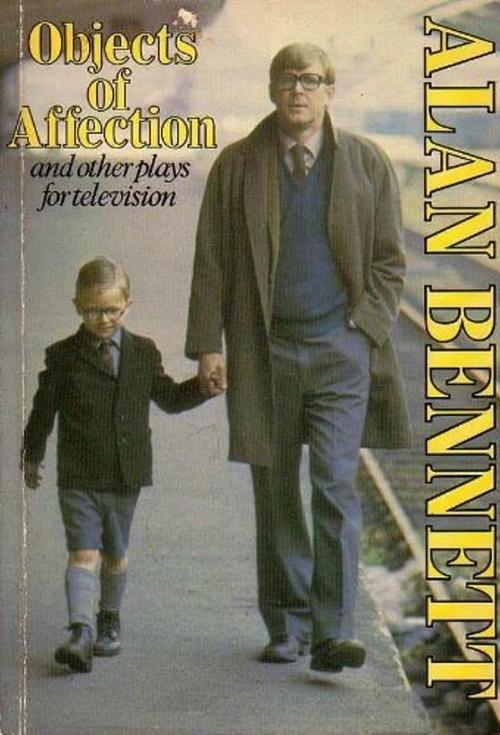
Objects of Affection
A series of plays written by Alan Bennett.
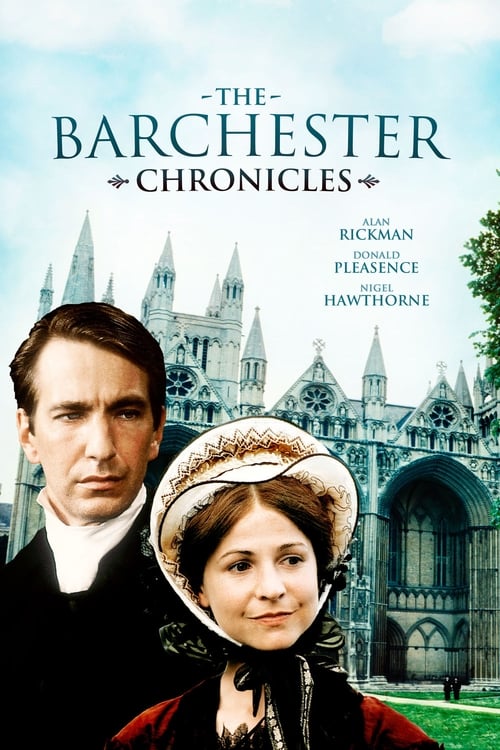
The Barchester Chronicles
The Barchester Chronicles is a 1982 BBC television serial produced by Jonathan Powell and dramatised by Alan Plater, based on Anthony Trollope's first two Chronicles of Barsetshire, The Warden (1855) and Barchester Towers (1857). Against the sumptuous background of Peterborough Cathedral and its environs, one is carried into Trollope's world of the intriguing machinations of the clerical establishment of Barchester. Backed by the authenticity of the period detail, the portrayal of all the characters accurately conveys the whole range of human emotions within the stories.
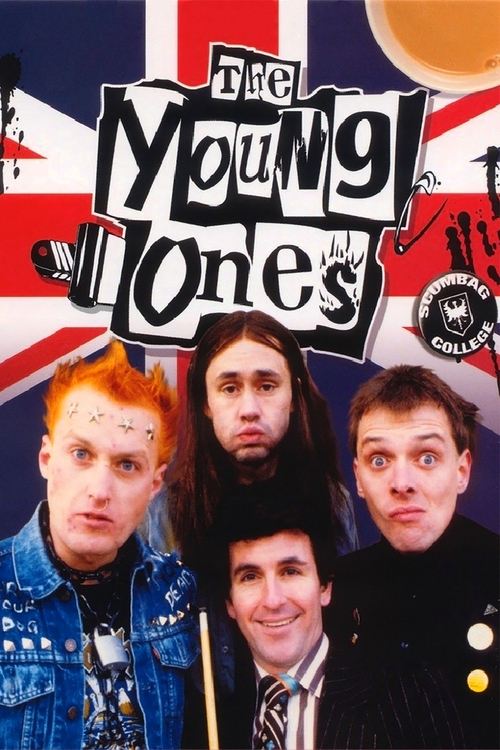
The Young Ones
The misadventures of four lunatic students who live in a shared student house. There's Rick, the overblown political one addicted to Cliff Richard, Vyvyan the experimental scientific one/part-time anarchist, Neil the worried hippy, and Mike the ladies' man (at least he is in his mind).