
ABC
Featured Show:
The Lawrence Welk Show
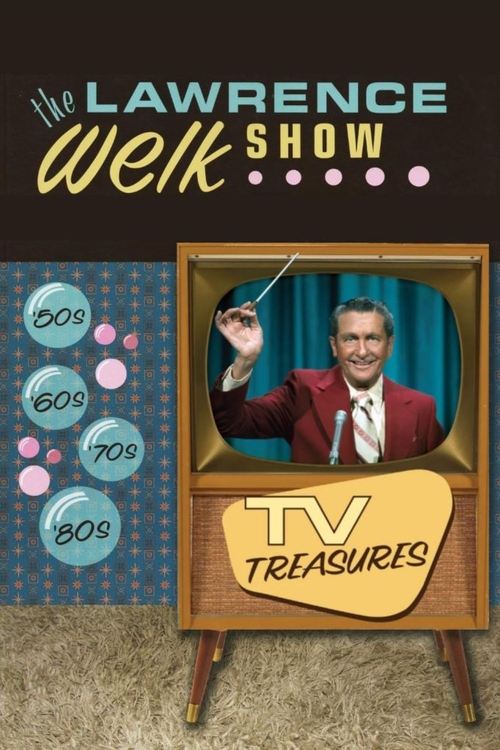
The Lawrence Welk Show is an American televised musical variety show hosted by big band leader Lawrence Welk. The series aired locally in Los Angeles for four years, then nationally for another 27½ years via the ABC network and first-run syndication. In the years since first-run syndication ended, The Lawrence Welk Show has continued to reach new audiences through repeat episodes, broadcast in the United States by Public Broadcasting Service stations. These airings incorporate an original program—usually, a color broadcast from 1965 through 1982—in its entirety. In place of the commercials, newer performance and interview clips from the original stars and/or a family member of the performers are included; these clips are occasionally updated.
ABC TV Shows
1609 shows • Page 70 of 81
The Lawrence Welk Show
The Lawrence Welk Show is an American televised musical variety show hosted by big band leader Lawrence Welk. The series aired locally in Los Angeles for four years, then nationally for another 27½ years via the ABC network and first-run syndication. In the years since first-run syndication ended, The Lawrence Welk Show has continued to reach new audiences through repeat episodes, broadcast in the United States by Public Broadcasting Service stations. These airings incorporate an original program—usually, a color broadcast from 1965 through 1982—in its entirety. In place of the commercials, newer performance and interview clips from the original stars and/or a family member of the performers are included; these clips are occasionally updated.
Paris Precinct
The investigations of two French detectives. Filmed in Paris, the series is also known as `World Crime Hunt.'

Star Tonight
Star Tonight, an American television anthology series, aired on ABC from February 1955 to August 1956.
Ozark Jubilee
Ozark Jubilee is the first U.S. network television program to feature country music's top stars, and featured performers located in Springfield, Missouri which has long emulated Nashville, Tennessee as a center of American country music. The weekly live stage show premiered on ABC-TV on January 22, 1955, was renamed Country Music Jubilee on July 6, 1957, and was finally named Jubilee USA on August 2, 1958. Originating "from the heart of the Ozarks," the Saturday night variety series helped popularize country music in America's cities and suburbs, drawing more than nine million viewers. The ABC Radio version was heard by millions more starting in August 1954. A typical program included a mix of vocal and instrumental performances, comedy routines, square dancing and an occasional novelty act. The host was Red Foley, the nation's top country music personality. Big names such as Patsy Cline, Eddy Arnold, Johnny Cash and Faron Young were interspersed with a regular cast, including a group of young talent the Jubilee brought to national fame: 11-year-old Brenda Lee, Porter Wagoner, Wanda Jackson, Sonny James, Jean Shepard and The Browns. Other featured cast members were Webb Pierce, Bobby Lord, Leroy Van Dyke, Norma Jean and Carl Smith.
TV Reader's Digest
TV Reader's Digest is the title of a 30 minute American television anthology drama series which aired on the ABC from 1955 to 1956. Based on articles that appeared in Reader's Digest magazine, the episodes based on true stories which were varied in their themes, plots and content. Themes included crime, heroism, mystery, romance, and human interest. Episode writers included Frederick Hazlitt Brennan, Cleveland Amory and Frank Gruber. Some of the actors who were cast in the episodes included: Claude Akins, Leon Askin, Jean Byron, Chuck Connors, Peter Graves, Tod Griffin, Francis McDonald, Max Showalter, John Howard, Lee Marvin, Gene Raymond, Jerry Paris, and Michael Winkelman.
Davy Crockett
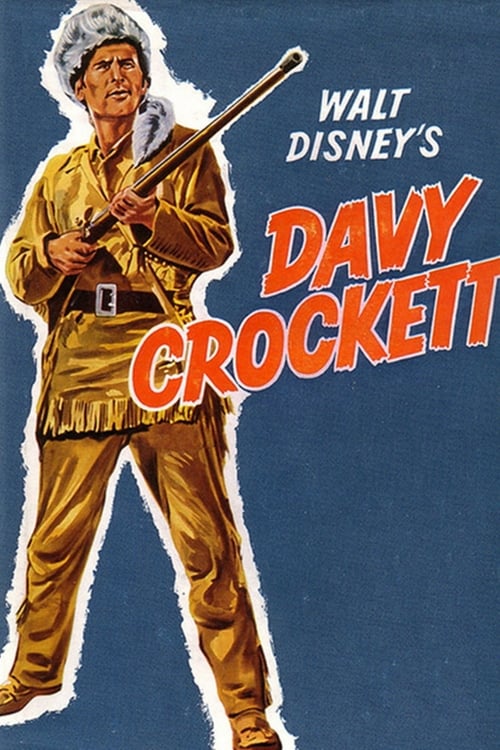
Davy Crockett is a five-part serial which aired on ABC in one-hour episodes on the Disneyland series. The series stars Fess Parker as real-life frontiersman Davy Crockett and Buddy Ebsen as his friend, George Russel. The first three episodes of the serial were edited together as the 1955 theatrical film Davy Crockett, King of the Wild Frontier, and rebroadcast in color in the 1960s when the Disney program went to NBC. This series and film are known for the catchy theme song, "The Ballad of Davy Crockett". It was filmed in color at the Great Smoky Mountains National Park at the Mountain Farm Museum adjacent to the visitor center at Oconaluftee near Qualla Reservation's entrance and Janss Conejo Ranch, California. The final two episodes were edited together as the 1956 theatrical film Davy Crockett and the River Pirates. It was filmed in Cave-In-Rock, Illinois.
The Wonderful World of Disney
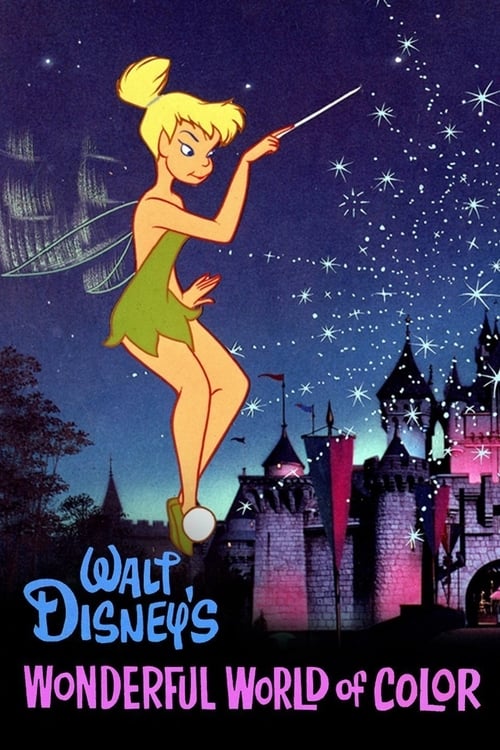
Walt Disney Productions has produced an anthology television series under several different titles since 1954. The original version of the series premiered on ABC, Wednesday night, October 27, 1954. The show, which was hosted by Walt Disney until his death and then from 1996 to 2002 by then-CEO Michael Eisner (with one-off hosts or no hosts during other periods) has since aired continually as either a weekly program or an irregular series of specials on several networks and streaming services, most recently on ABC and Disney+. The show is the second longest showing prime-time program on American television, behind its rival, Hallmark Hall of Fame. However, Hallmark Hall of Fame was a weekly program only during its first five seasons, while Disney remained a weekly program for more than forty years.
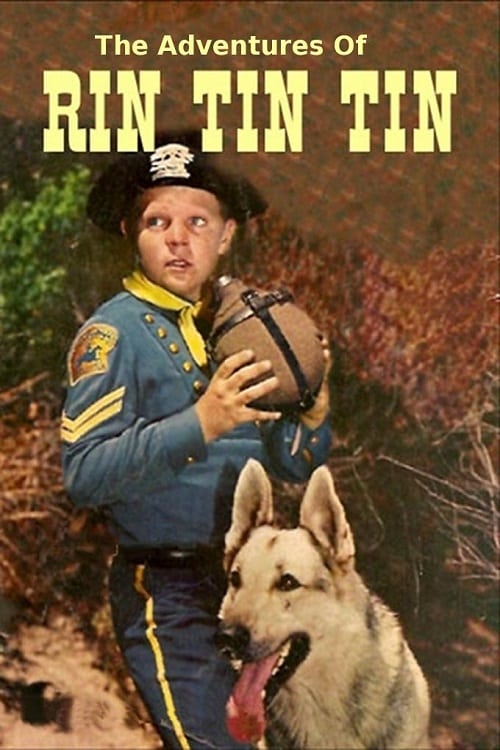
The Adventures of Rin Tin Tin
The Adventures of Rin Tin Tin is an American children's television program. Beginning in October 1954 until May 1959, 166 episodes originally aired on ABC television network. It starred child actor Lee Aaker as Rusty, a boy orphaned in an Indian raid, who was being raised by the soldiers at a US Cavalry post known as Fort Apache. He and his German shepherd dog, Rin Tin Tin, helped the soldiers to establish order in the American West. Texas-born actor James Brown appeared as Lieutenant Ripley "Rip" Masters. Co-stars included veteran actor Joe Sawyer and actor Rand Brooks from Gone with the Wind fame.
The Elgin Hour
A drama series that ran every other week, attracted top notch actors and actresses, and was broadcast from New York City.
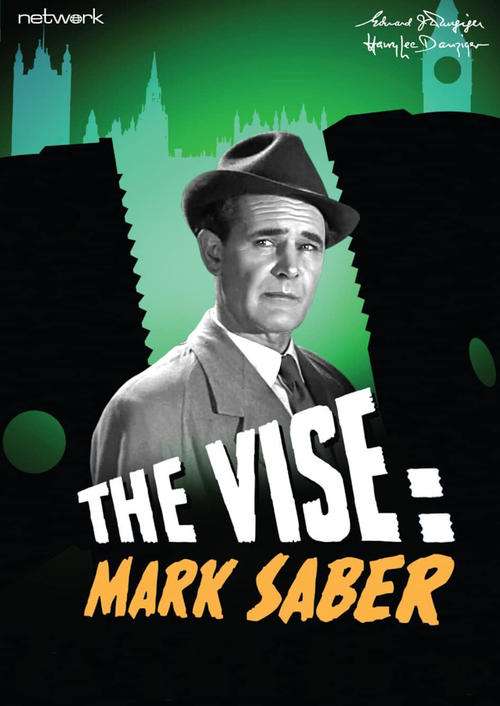
Mark Saber
A half-hour 1950s detective television series that took different forms and titles during its run. From October 1951 to June 1954, ABC Mystery Theater stars Tom Conway as the titular character, a plainclothes English detective working with the NYPD Homicide Division. The Vise (seasons 1–4): Donald Gray portrays Saber as a one-armed private detective based in London. Broadcast on ABC from October 1954 to June 1957. Saber of London (seasons 5–7): Gray reprises his role in this final iteration, broadcast on NBC from September 1957 to May 1960.
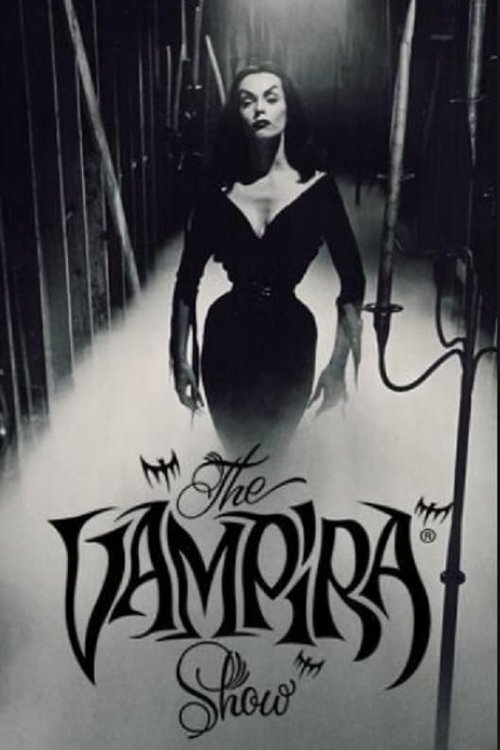
The Vampira Show
The Vampira Show was an American variety show hosted by Vampira. The series aired on the Los Angeles ABC television affiliate KABC-TV from April 30, 1954, through April 2, 1955. The series was produced and created by Hunt Stromberg, Jr., and featured the Vampira character created by Maila Nurmi. Though the show was unseen outside of the Los Angeles area, The Vampira Show has become a cult classic, spawning fan clubs the world over.
Dr. I.Q.
Dr. I.Q. is a radio and television quiz program. Remembered as radio's first major quiz show, it popularized the catch phrase "I have a lady in the balcony, Doctor."
The Motorola Television Hour
The Motorola Television Hour is an hour-long anthology series which alternated bi-weekly with The United States Steel Hour on ABC. The show premiered on November 3, 1953 and was last aired on June 1, 1954. It was sponsored by Motorola.
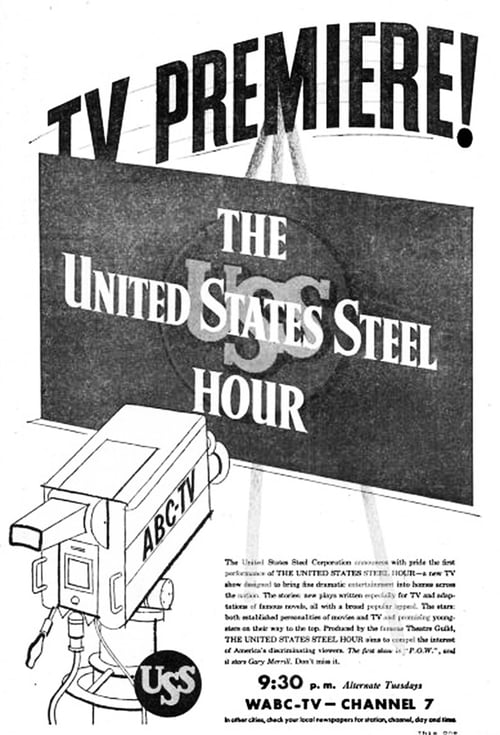
The United States Steel Hour
The United States Steel Hour is an anthology series which brought hour-long dramas to television from 1953 to 1963. The television series and the radio program that preceded it were both sponsored by the United States Steel Corporation.
Back That Fact
Back That Fact is a short-lived American game show that aired on ABC from October 22 to November 26, 1953. This was the first TV game show for creator/producers Jack Barry and Dan Enright. Borscht Belt comedian and syndicated columnist Joey Adams was the emcee, with actress Hope Lange and actor Al Kelly as his assistants and Carl Caruso as the announcer. Back That Fact was broadcast from New York City.
Kraft Television Theatre
American Anthology

Where's Raymond?
Where's Raymond? is an American sitcom that aired on ABC, starring Ray Bolger. The series aired from October 1953 to April 22, 1955. The series' title was spurred by Bolger's Broadway stage hit Where's Charley?. In the 1954-1955 season, the series was renamed The Ray Bolger Show.
Jamie
After the death of his parents, seven-year-old Jamie is moved from relative to relative until he finally arrives at the home of his aunt Laurie and grandfather.
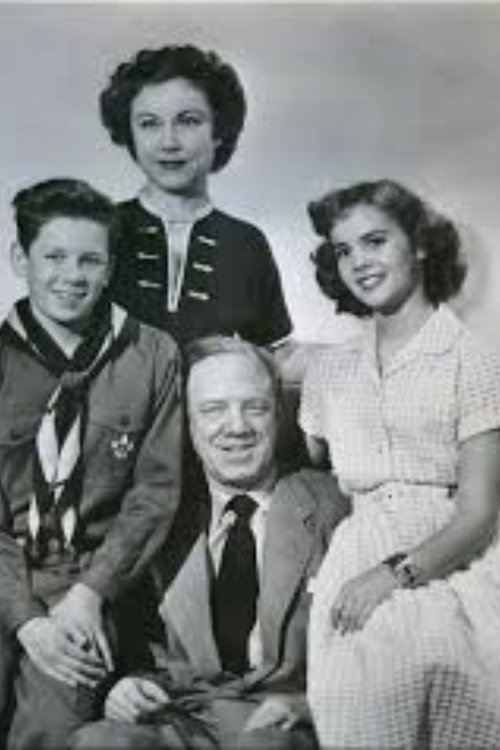
The Pride of the Family
The Pride of the Family was a half-hour situation comedy starring Paul Hartman, Fay Wray, Natalie Wood, and Robert Hyatt, which aired for forty episodes on ABC in the 1953–1954 season. Hartman portrays Albie Morrison, the father and error-prone head of the household, about whom most of the episodes are centered. Albie works in the advertising section of his local newspaper, and he often has new ideas that go awry in the workplace as well as failed handyman activities at home. Wray, remembered in particularly from her role in the horror film King Kong, plays Albie's wife, Catherine. Natalie Wood is the 15-year-old daughter, Ann, and "Bobby" Hyatt is the 14-year-old son, Junior Morrison. Larry J. Blake appeared fourteen times in the role of "Frank". Hartman's Albie Morrison lacks the good judgment and wisdom exercised by the fictitious insurance agent James Anderson, Sr., the role of Robert Young on the long-running Father Knows Best, which premiered the following season on CBS. Billboard described Hartman's lead role as "average"; indeed the series attempted to present the "average family." Guest stars included Tol Avery, Barbara Billingsley, Douglas Fowley, Frank Ferguson, Lyle Talbot, Steven Terrell, and Joey D. Vieira.
The Comeback Story
The Comeback Story is a half-hour drama reality show which aired on ABC from October 2, 1953 to February 5, 1954, in which celebrities explain how they overcame physical disabilities or other kinds of adverse fortunes in their lives.