
Channel 4
Featured Show:
The Gravy Train
A four-part comedy about bureaucratic bribery and corruption in the European Union.
Channel 4 TV Shows
1603 shows • Page 71 of 81
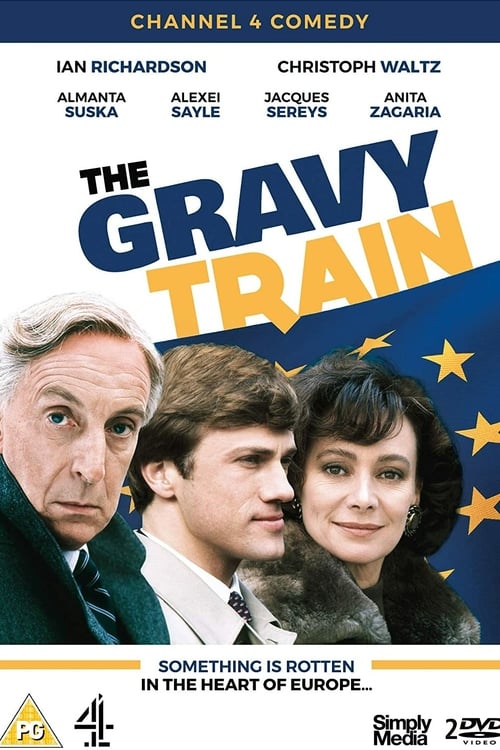
The Gravy Train
A four-part comedy about bureaucratic bribery and corruption in the European Union.

Set Of Six

Vic Reeves Big Night Out
Vic Reeves Big Night Out is a British cult comedy stage show and later TV series which ran on Channel 4 for two series in 1990 and 1991, as well as a New Year special. It marked the beginnings of the collaboration between Vic Reeves and Bob Mortimer and started their Vic and Bob comedy double act. The show was later acknowledged as a seminal force in British comedy throughout the 1990s and which continues to the present day. Arguably the most surreal of the pair's work, Vic Reeves Big Night Out was effectively a parody of the variety shows which dominated the early years of television, but which were, by the early 1990s, falling from grace. Vic, introduced by Patrick Allen as "Britain's Top Light Entertainer and Singer", would sit behind a cluttered desk talking nonsense and introducing the various segments and surreal guests on the show. Vic Reeves Big Night Out is notable as the only time in their career where Vic solely took the role of host, while Bob was consigned to the back stage, appearing every few minutes as either himself or as a strange character. The two received equal billing in the series credits. On 3 October 2007, the first episode was re-broadcast on More4 as part of Channel 4 at 25, a season of classic Channel 4 programmes shown to celebrate the channel's 25th birthday.
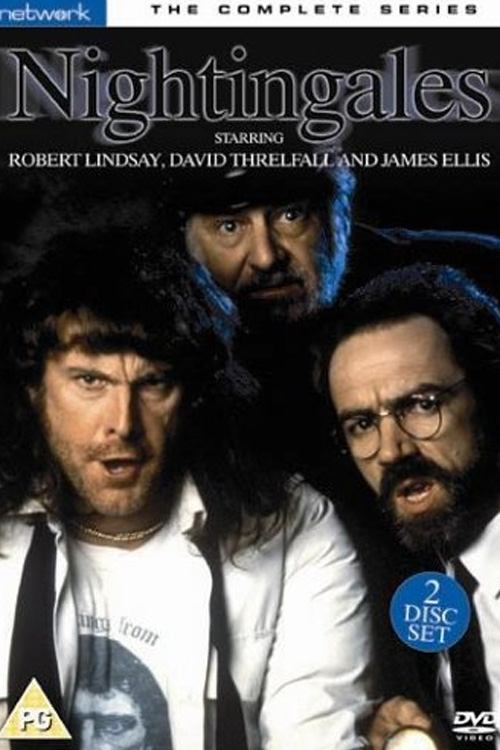
Nightingales
Nightingales is a British situation comedy set around the antics of three security guards working the night shift. It was written by Paul Makin and produced by Alomo Productions for Channel 4 in 1990.
Cutting Edge
The flagship documentary series show distinctive, compelling films that offer a snapshot of life in Britain today.
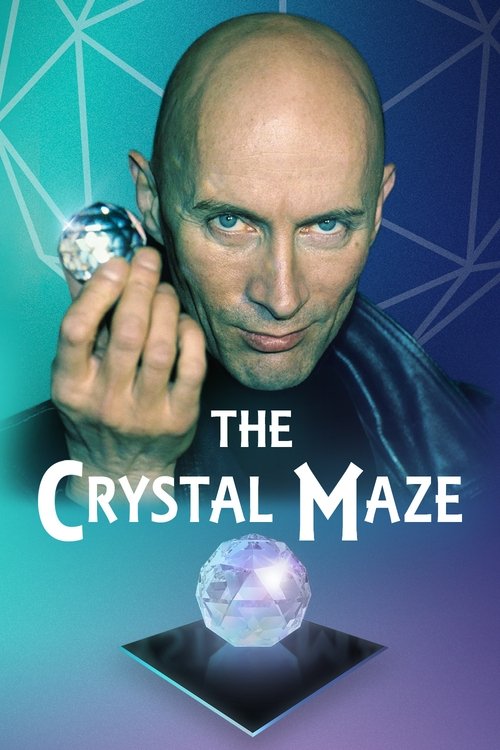
The Crystal Maze
The Crystal Maze was a British game show, produced by Chatsworth Television and shown on Channel 4 in the United Kingdom between 15 February 1990 and 10 August 1995. The series is set in "The Crystal Maze", which features four different "zones" set in various periods of time and space. A team of six contestants take part in a series of challenges in order to win "time crystals". Each crystal gives the team five seconds of time inside "The Crystal Dome", the centrepiece of the maze where the contestants take part in their final challenge.

Border Warfare
A three-episode mini-series chronicling the history of Scotland from ancient times through the union with England and culminating with the rise of Thatcherism and the introduction of the Poll Tax.
 0
0The Secret Cabaret
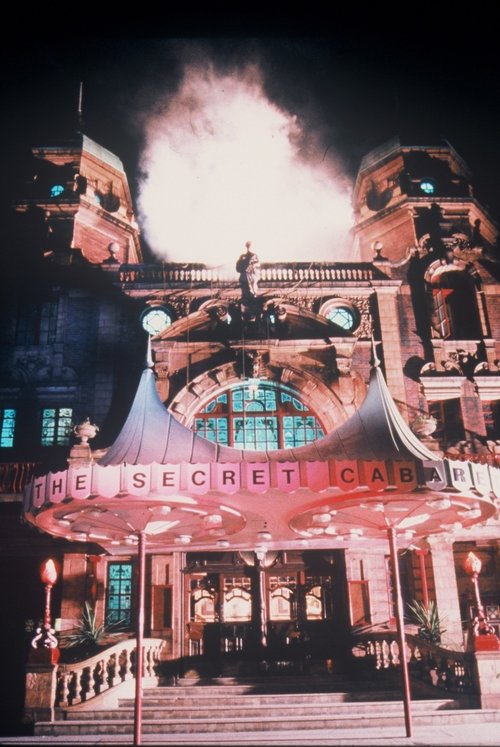
The Secret Cabaret was a magic-based television programme that ran for two series, of six episodes each, on Channel 4 in the UK during the early 1990s. It was conceived and fronted by British magician Simon Drake and was praised for giving a new and shocking twist to the presentation of illusions. In addition to various magicians the show featured sideshow acts and presentations by experts on fraud and confidence tricks, all interspersed with vintage archive footage of freak shows and daredevil stunts. It was nominated for a Royal Television Society Award.
 0
0The Endless Game
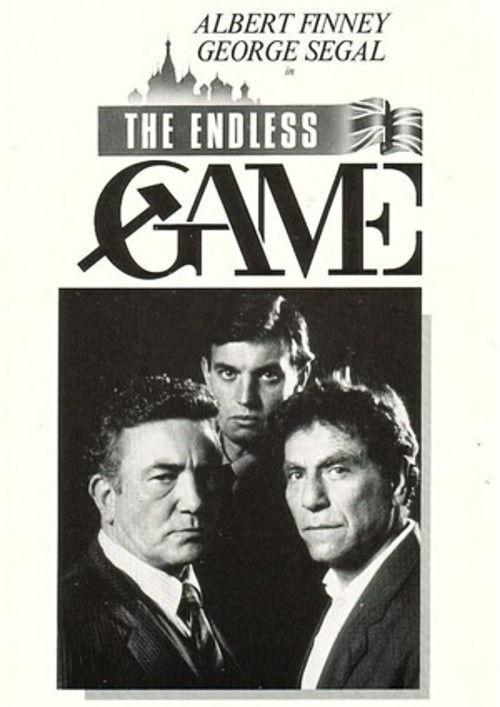
A British agent comes back from retirement after several of his former colleagues, including his former lover, are murdered. He must examine events from his own past to determine who killed them and why.
 0
0Ric the Raven
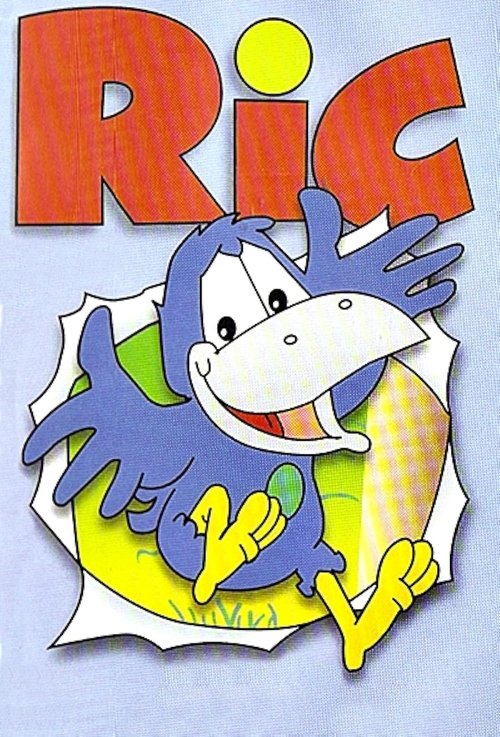
It's a British/German cartoon with 51 episodes of 5 minutes. It's about a blue raven called Ric, an optimist who tries things out for fun.
Traffik
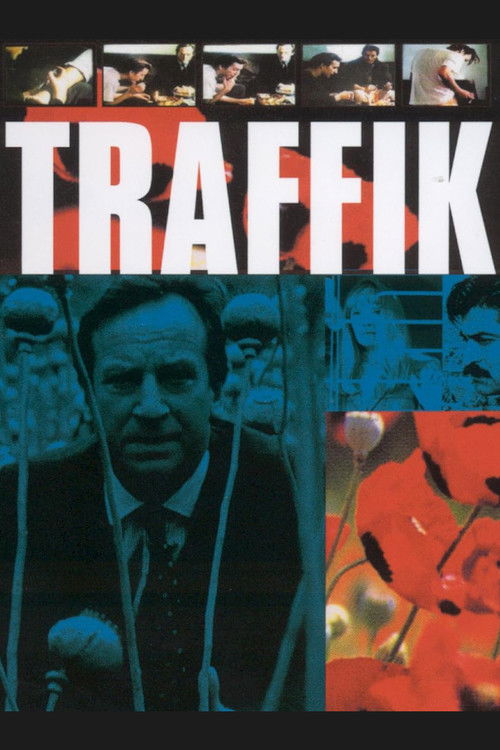
Traffik is a 1989 British television serial about the illegal drugs trade. Its three stories are interwoven, with arcs told from the perspectives of Afghan and Pakistani growers and manufacturers, German dealers, and British users. It was nominated for six BAFTA Awards, winning three. It also won an International Emmy Award for best drama. The 2000 crime drama film Traffic, directed by Steven Soderbergh, was based on this television serial. In turn, the 2004 American television miniseries Traffic was based on both versions.
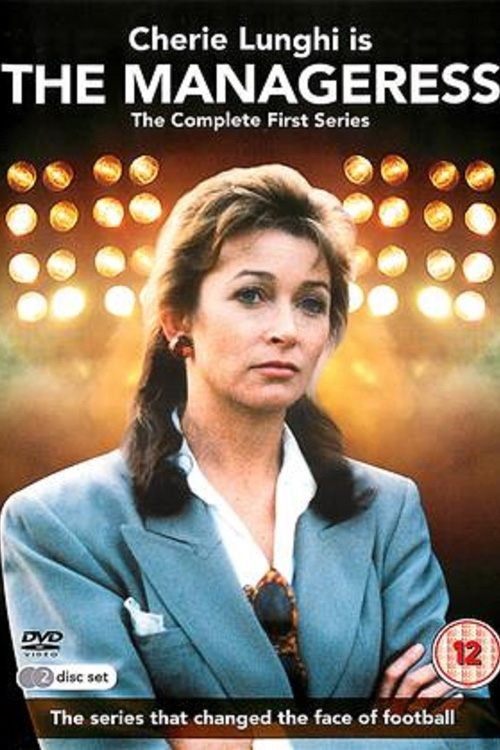
The Manageress
The Manageress is a television series about a woman who becomes manager of a professional football team. It ran from 1989 to 1990 and had two seasons. The series starred Cherie Lunghi as Gabrielle Benson and Warren Clarke as the chairman of the second division club. It was independently produced for Channel 4 by Glenn Wilhide and Sophie Belhetchet at their production company, ZED Ltd. The series aired for two series of six episodes on Channel 4 in 1989 and 1990.
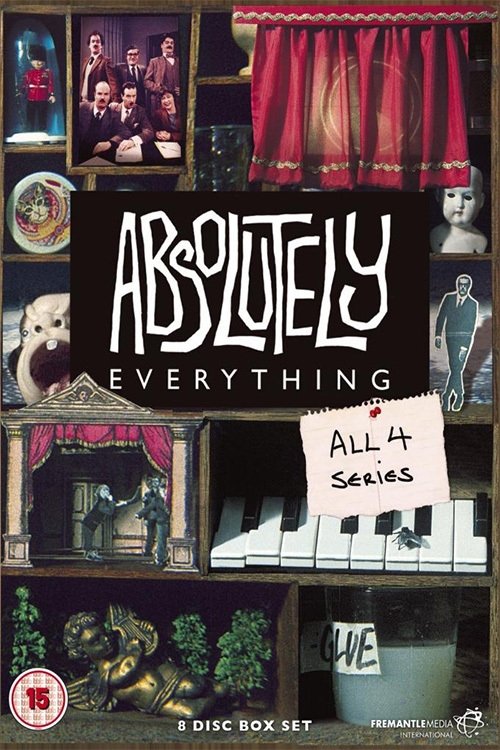
Absolutely
Absolutely is a popular UK television comedy sketch show shown on Channel 4 between 1989 and 1993. The cast and crew were mainly Scottish; the principal writers and performers were Moray Hunter, Jack Docherty, Peter Baikie, Gordon Kennedy, Morwenna Banks and John Sparkes. It was directed by Phil Chilvers, Alan Nixon, Alistair Clark, and Graham C Williams. The show's producers were Alan Nixon, and David Tyler
0The Channel Four Daily
The Channel Four Daily was a breakfast television news magazine produced by Independent Television News, in collaboration with other independent production companies for Channel 4. The programme was the first breakfast programme for Channel 4, broadcasting between 06:00 and 09:25 each weekday morning. The first edition of the programme was broadcast on 3 April 1989, with the last edition being broadcast on 25 September 1992. Conceived as a television newspaper, output was based heavily on news and current affairs. Also, a number of bite-sized feature segments lasting between 5 and 10 minutes were slotted around the news output and were shown several times each day. These included a business programme, Business Daily - which had been on air as a lunchtime programme since October 1987 - sporting discussion, lifestyles, arts and entertainment, Countdown Masters - an abbreviated version of Countdown - and a cartoon slot called Comic Book. The Channel Four Daily failed to gain enough viewers and the last broadcast was shown on Friday, 25 September 1992. It was replaced with the relatively more popular programme, The Big Breakfast from Monday, 28 September 1992.
Clive Anderson Talks Back
Clive Anderson mixes comedy and his legal training to conduct a series of irreverent interviews with various guests. Also included is a satirical look at topical events.
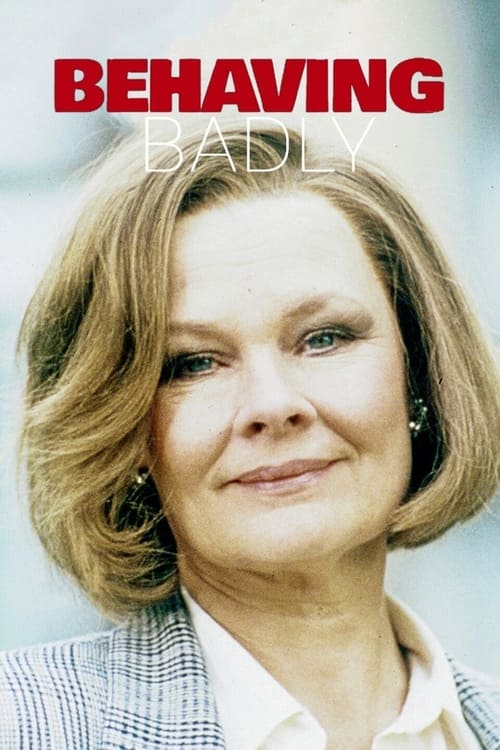
Behaving Badly
Behaving Badly is a 1989 British television serial directed by David Tucker. The teleplay by Catherine Heath and Moira Williams is based on Heath's novel of the same name. It was initially broadcast by Channel 4. The series was released on DVD in 2005. The plot focuses on Bridget Mayor, a middle-aged housewife and part-time teacher who is forced to re-evaluate her life when her husband of twenty years abandons her for a younger woman.
0Big World Cafe
Big World Café was a music show on British television. Broadcast on Channel 4 in 1989, it was presented by Mariella Frostrup, Eagle Eye Cherry and Jazzie B. It was produced by Andrea Wonfor, who had previously worked on The Tube. During the programme's second series, Andy Kershaw was recruited to report on world music. Artists who appeared on the show included Les Négresses Vertes, New Order, Prefab Sprout and Wet Wet Wet.
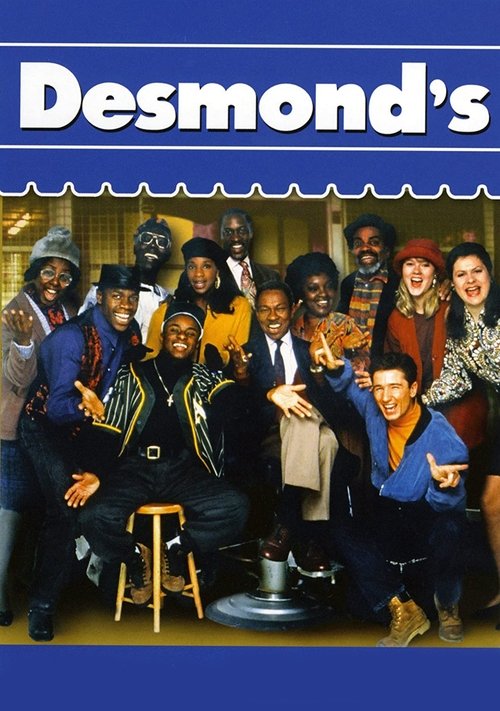
Desmond's
Desmond's was a British television situation comedy broadcast by Channel 4 from 1989 to 1994. With 71 episodes, Desmond's became Channel 4's longest-running sitcom. The first series was shot in 1988, with the first episode broadcast in January 1989. The show was made in and set in Peckham, London, England and featured a predominantly Black British Guyanese cast. Conceived and co-written by Trix Worrell, and produced by Charlie Hanson and Humphrey Barclay, this series starred Norman Beaton as barber Desmond Ambrose. Desmond's shop was a gathering place for an assortment of local characters.
0Park Avenue
Park Avenue was a daily teletext based soap opera on ITV's ORACLE Teletext service, which was written by Robbie Burns. It was launched in 1988, and 1,445 episodes were written during its time on air. It later moved to Channel 4 after ORACLE was reorganised, before ending when the service lost its franchise at the end of 1992.
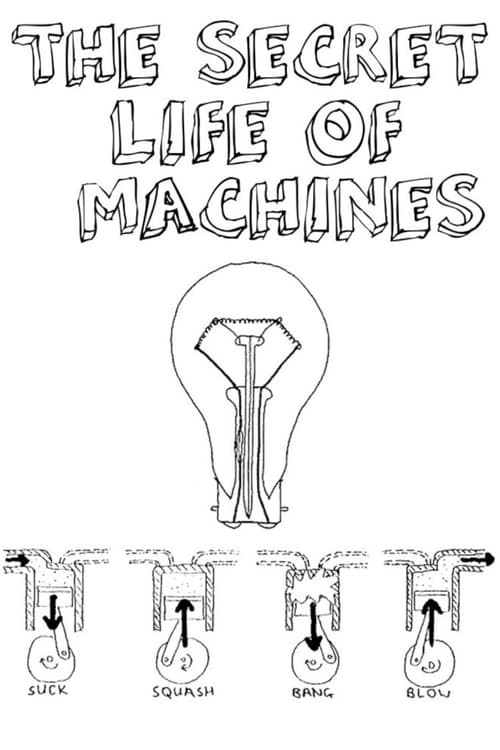
The Secret Life of Machines
The Secret Life of Machines is an educational television series presented by Tim Hunkin and Rex Garrod, in which the two explain the inner workings and history of common household and office machinery. According to Hunkin, the show's creator, the programme was developed from his comic strip The Rudiments of Wisdom, which he researched and drew for the Observer newspaper over a period of 14 years. Three separate groupings of the broadcast were produced and originally shown between 1988 and 1993 on Channel 4 in the United Kingdom, with the production subsequently airing on The Learning Channel and the Discovery Channel.