
CBC Television
Featured Show:
Mumble Bumble
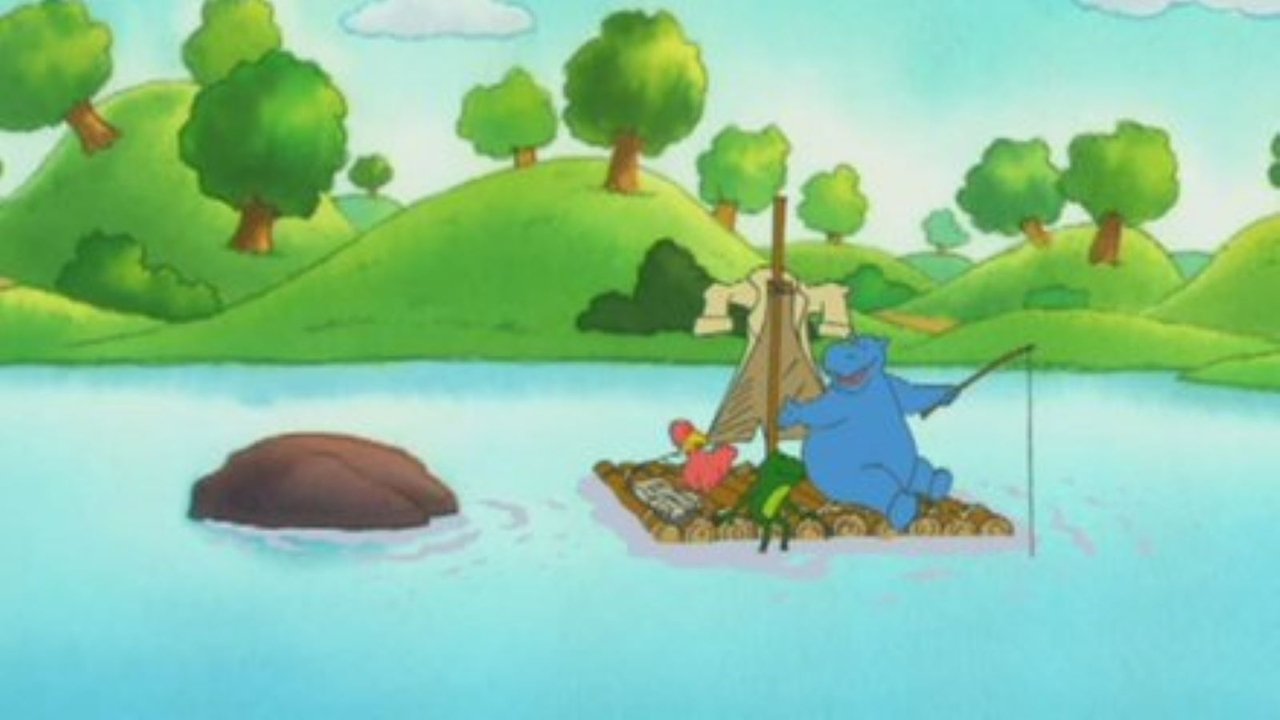
Gentle blue hippo MumbleBumble and his friends, inquisitive chicken Chic'o and hyperactive frog Greens, create various arts and crafts and have tons of fun at their home on a windmill in the forest.
CBC Television TV Shows
986 shows • Page 13 of 50
 0
0Mumble Bumble
Gentle blue hippo MumbleBumble and his friends, inquisitive chicken Chic'o and hyperactive frog Greens, create various arts and crafts and have tons of fun at their home on a windmill in the forest.
Franklin
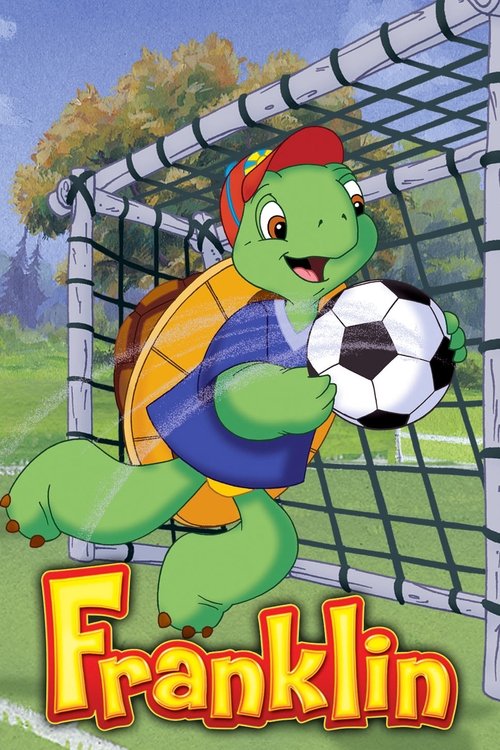
Franklin is an Canadian educational animated television series, based on the Franklin the Turtle books by Brenda Clark and Paulette Bourgeois. The television series was named after its main character, Franklin the Turtle. It was produced by PolyGram Television, Alphanim, LuxAnimation, Nelvana, Neurones Enterprises, Reader's Digest for Young Families, TF1, Funbag Animation Studios, Europool, Mini TFO, and Family Channel, and syndicated by Summit Entertainment.

Riverdale
CBC’s first prime time soap opera follows the intertwined lives of four families in Toronto’s Riverdale community.
 0
0Ekhaya: A Family Chronicle
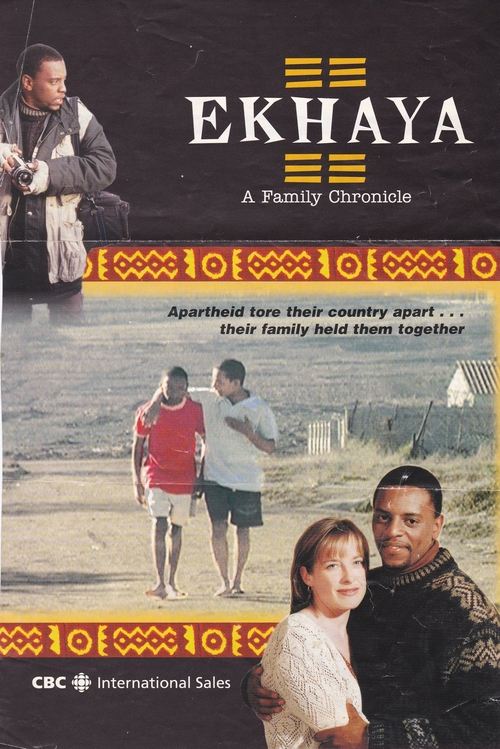
A Black South African lives in Toronto with his Canadian wife in 1989. His fears of being stalked by South African secret police, force him to reflect back on his life growing up under apartheid.
The Arrow
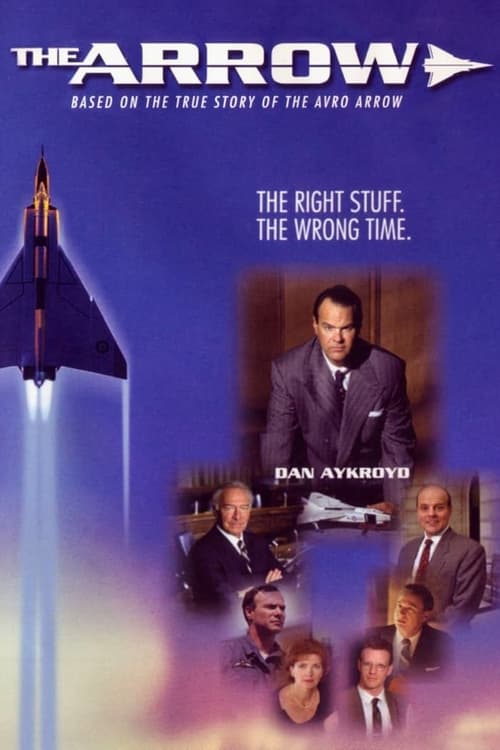
The story of the people building the AVRO Arrow, an advanced jet fighter-interceptor designed to defend Canada's vast territory during the Cold War. Though the jet was an engineering marvel, cost over-runs, U.S. government pressure from the military industrial complex, and the election of the Progressive Conservative Diefenbaker government, stopped the jet just as it was getting off the ground.
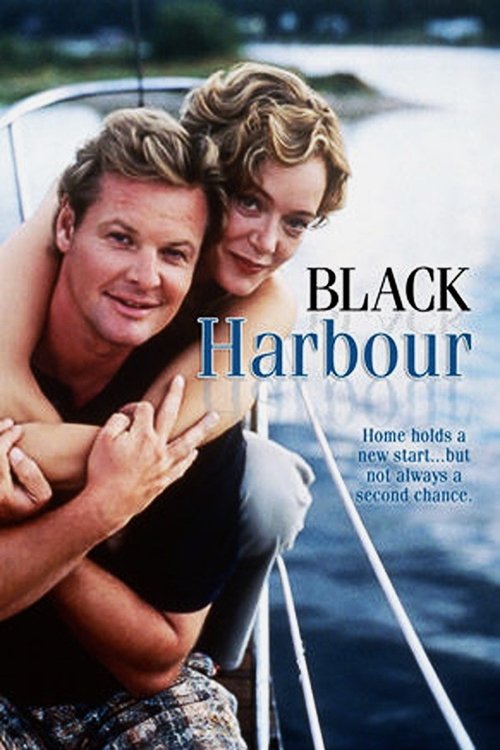
Black Harbour
Black Harbour is a Canadian television series, which ran on CBC Television from 1996 to 1999. The show starred Rebecca Jenkins as Katherine Hubbard, a successful restaurant owner who returned to live in her Nova Scotia hometown to be with her mother who had suffered a heart attack. Her husband Geraint Wyn Davies, followed her with their two kids. Alex Carter also starred as Hubbard's high school sweetheart Paul Isler, whose own marriage was on the rocks and who was employed by Katherine's brother at the boatyard. In the show's final season, Hubbard and Isler's marriages had both failed, and they officially rekindled their old relationship. The show is currently reairing weekday mornings on TVtropolis.
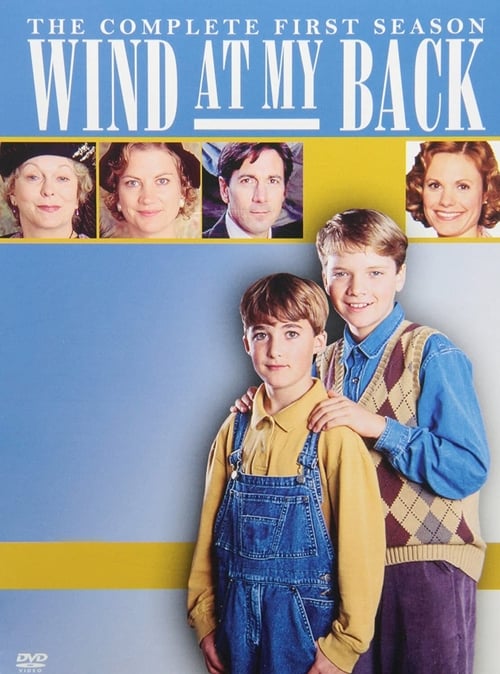
Wind at My Back
A recently widowed mother loses her children to a cold mother-in-law in Ontario during the Great Depression of the 1930s. Based loosely on the books "Never Sleep Three in a Bed" and "The Night We Stole the Mounties’ Car" by Max Braithwaite
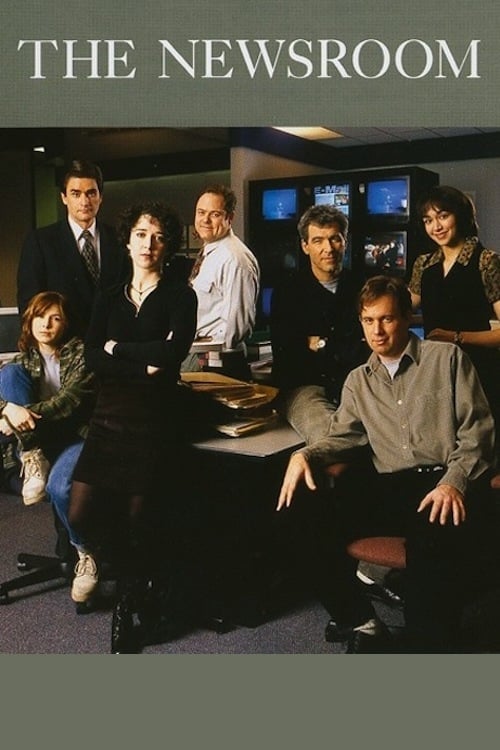
The Newsroom
The tumultuous TV newsroom world of overbearing regional news director George Findlay, who is solely motivated by casualty statistics which will improve his ratings.
Life and Times
Life and Times was a series of biographical documentary films broadcast by CBC Television, CBC Country Canada and CBC Newsworld. It was hosted by Ann-Marie MacDonald and first appeared in 1996, ending in 2007. The show won many awards during its run, including Gemini Awards and Leo Awards.
 0
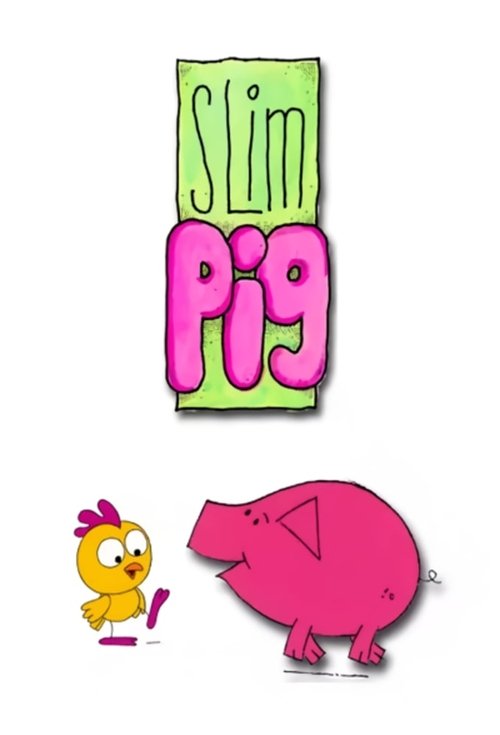
0Slim Pig
Slim Pig is a two-dimensional pig living in a three-dimensional world. Because Slim is inquisitive, as well as flat, there’s no such thing as a simple walk outside his pigsty – wherever Slim goes, he finds an adventure. But because Slim is intelligent and creative, not to mention thin, he always gets home safely.
 0
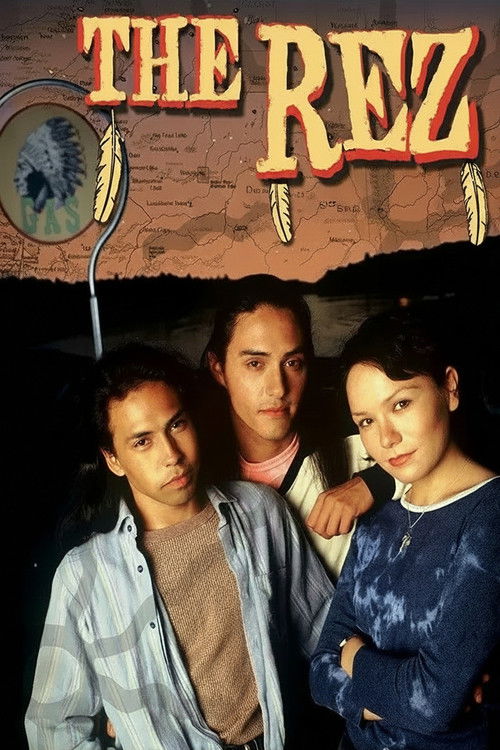
0The Rez
The Rez was a first nations, Canadian television series, which aired on CBC Television from 1996 to 1998. Most of the characters were based on W.P. Kinsella's short story collection Dance Me Outside, which had been made into a film by director Bruce McDonald. McDonald and Norman Jewison were executive producers of the series, which chronicled life in a First Nations community. The series was filmed in the Parry Sound region at Harrison's Landing in Carling Township. All episodes run around 23 Minutes.
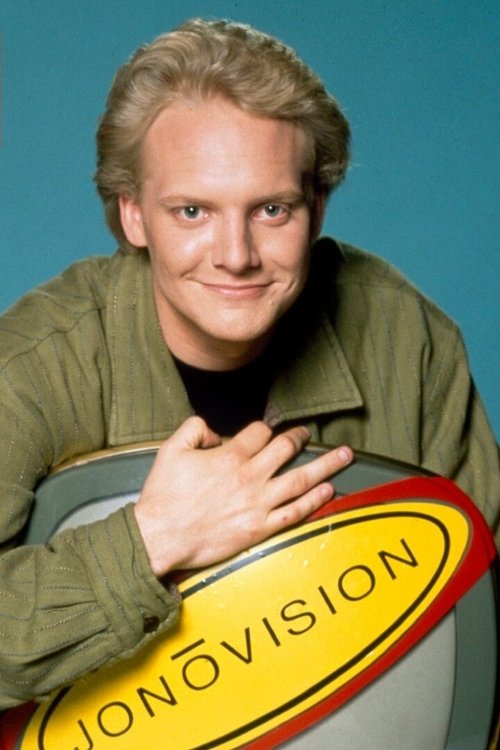
Jonovision
Jonovision was a Canadian television talk show aimed at teenagers. The show aired for five seasons, from 1996 to 2001, on CBC Television. Jonovision was nominated for 4 Gemini Awards. It reached the top of its popularity at the end of its fourth season, when it hosted a Degrassi reunion. The host was Jonathan Torrens, who later went on to play J-Roc in Trailer Park Boys. Jonovision hosted one of the first television appearances of Sum 41, as part of an indie music showcase entitled Jonopalooza.
Paths of the Gods
An eight-part documentary series presented by renowned actor and director Sir Peter Ustinov. The documentary revolves around the triptych of man, nature, and divinity, with the aim of highlighting the richness of Greek mythology and the beauty of Greek nature.
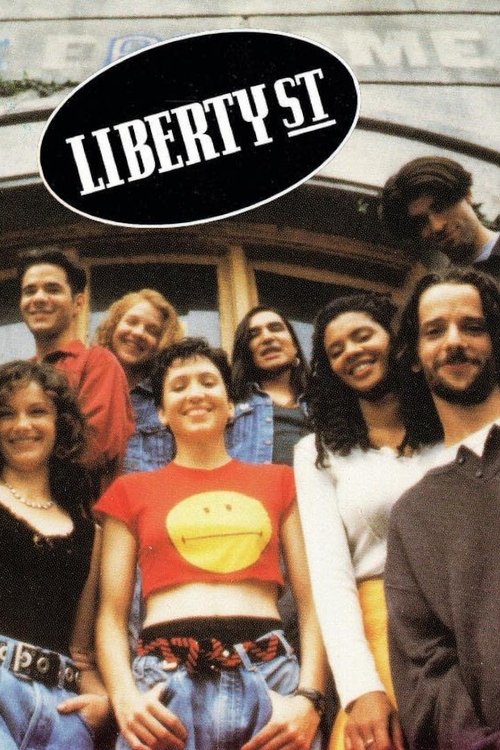
Liberty Street
Liberty Street was a Canadian drama television series, which aired on CBC Television in 1995. Produced by Kit Hood and Linda Schuyler, the team behind the long-running Degrassi series of television shows, Liberty Street was an attempt to create a similar series depicting the lives of a group of young adults living on their own for the first time. The pilot film, X-Rated, aired in 1994 and was developed into an 11-episode series. The cast included Henriette Ivanans, Joel Bissonnette, Billy Merasty, Kimberly Huie and Pat Mastroianni. Parts of the show were shot in and around the Liberty Village area of Toronto.
Side Effects
Side Effects is a Canadian television series
 0
0Indspire Awards
An annual Canadian awards ceremony, known as National Aboriginal Achievement Awards until 2012, intended to celebrate and encourage excellence in the Aboriginal community in Canada, honouring dedicated and community-focused First Nations, Inuit and Métis, presented by Indspire (formerly National Aboriginal Achievement Foundation).

This Hour Has 22 Minutes
This Hour Has 22 Minutes is a weekly Canadian television comedy that airs on CBC Television. Launched in 1993 during Canada's 35th general election, the show focuses on Canadian politics, combining news parody, sketch comedy and satirical editorials. Originally featuring Cathy Jones, Rick Mercer, Greg Thomey and Mary Walsh, the series featured satirical sketches of the weekly news and Canadian political events. The show's format is a mock news program, intercut with comic sketches, parody commercials and humorous interviews of public figures. The on-location segments are frequently filmed with slanted camera angles.
0Air Farce Live
Air Farce Live, also credited as Air Farce, previously Royal Canadian Air Farce, and Air Farce—Final Flight! for the final season, was a Canadian sketch comedy series starring the comedy troupe Royal Canadian Air Farce, that previously starred in an eponymous show on CBC Radio, from 1973 to 1997. The top-rated television show was broadcast on CBC Television, beginning in 1993 and ending in December 2008. The Air Farce Live name was adopted in October 2007. For the show's final season which began October 3, 2008, the series was renamed Air Farce—Final Flight!. The show was a weekly topical sketch comedy series focusing on political and cultural satire and was one of the most popular Canadian television shows. It was initially aired as a radio series beginning in 1973, and on radio, Air Farce continued for 24 seasons through 1997. In terms of the troupe's TV career, the first Air Farce TV special aired in 1980. A short-lived Air Farce TV series was broadcast in 1981, and further TV specials aired in 1982, 1983, and 1984. After a long hiatus from TV, a 1992 New Year's Eve special for CBC-TV was well received, and a new Air Farce TV series began in October 1993. The TV series was retitled Air Farce Live beginning with the October 6, 2007 broadcast and was the first Canadian sketch comedy series to be broadcast in HD. The show was broadcast live in the Atlantic time zone and tape delayed in the other time zones.
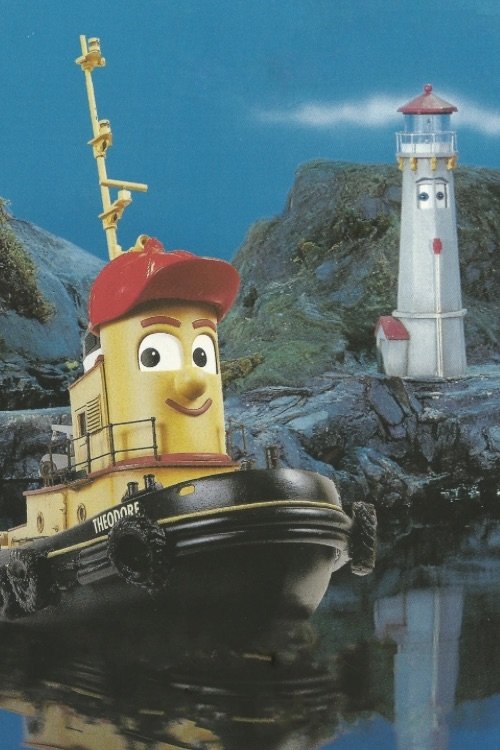
Theodore Tugboat
Theodore Tugboat is a Canadian children's television series about a tugboat named Theodore who lives in the Big Harbour with all of his friends. The show originated in Halifax, Nova Scotia, Canada as a co-production between the CBC, and the now defunct Cochran Entertainment, and was filmed on a model set using radio controlled tugboats, ships, and machinery. Production of the show ended in 2001, and its distribution rights were later sold to Classic Media. The show premiered in Canada on CBC Television, then went to PBS, was on Qubo in the US, and at one time, had appeared in eighty different countries. The show deals with life learning issues portrayed by the tugs or other ships in the harbour. Most often, the tugs have a problem, or get involved in a struggle with each other or another ship, but they always manage to help one another resolve these problems and see them through. Their main focus however, is to always make the Big Harbour the friendliest harbour in the world, and to always do a good job with their work related tasks.
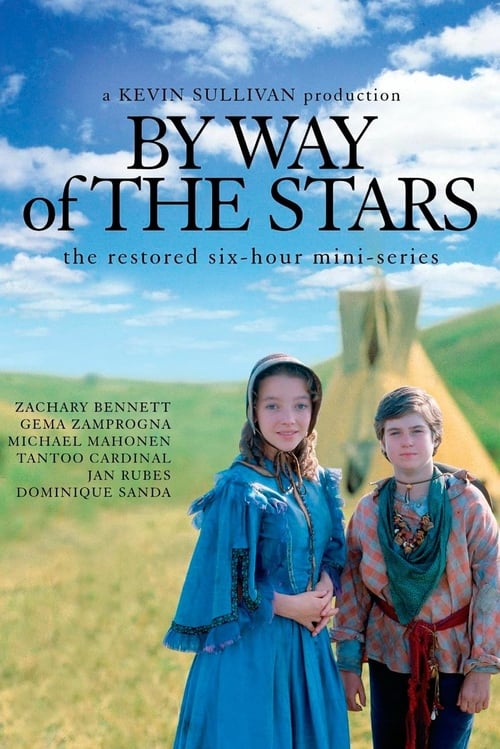
By Way of the Stars
A young boy's search for his father takes him from 19th century Prussia to the wilds of the American West.