

NHK
Featured Show:
Phi Brain: Puzzle of God
Phi Brain: Puzzle of God is a 2011 Japanese anime television series produced by Sunrise. The first two series aired on NHK Educational TV between October 2011 and September 2012, with a third season to begin airing in October 2013. The series is directed by Junichi Sato with script supervision by Mayori Sekijima. Hajime Yatate, the collective penname for the creative staff at Sunrise, is credited with the original story. The anime has been licensed in North America by Sentai Filmworks. A manga adaptation by Yoshiki Togawa began serialization in Kadokawa Shoten's Newtype Ace magazine from November 2011. A PlayStation Portable video game by Arc System Works was released on May 31, 2012.
NHK TV Shows
469 shows • Page 15 of 24

Phi Brain: Puzzle of God
Phi Brain: Puzzle of God is a 2011 Japanese anime television series produced by Sunrise. The first two series aired on NHK Educational TV between October 2011 and September 2012, with a third season to begin airing in October 2013. The series is directed by Junichi Sato with script supervision by Mayori Sekijima. Hajime Yatate, the collective penname for the creative staff at Sunrise, is credited with the original story. The anime has been licensed in North America by Sentai Filmworks. A manga adaptation by Yoshiki Togawa began serialization in Kadokawa Shoten's Newtype Ace magazine from November 2011. A PlayStation Portable video game by Arc System Works was released on May 31, 2012.
 0
0神様の女房
 0
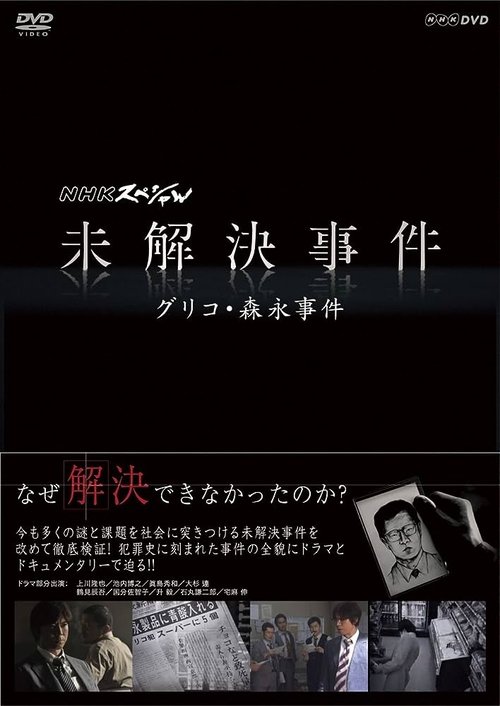
0NHK Special: Unsolved Cases
A long-running NHK investigative strand that revisits headline-making unsolved cases with a hybrid of docudrama and documentary, drawing on police files, journalists’ notes, and new interviews to surface leads and lessons.
 0
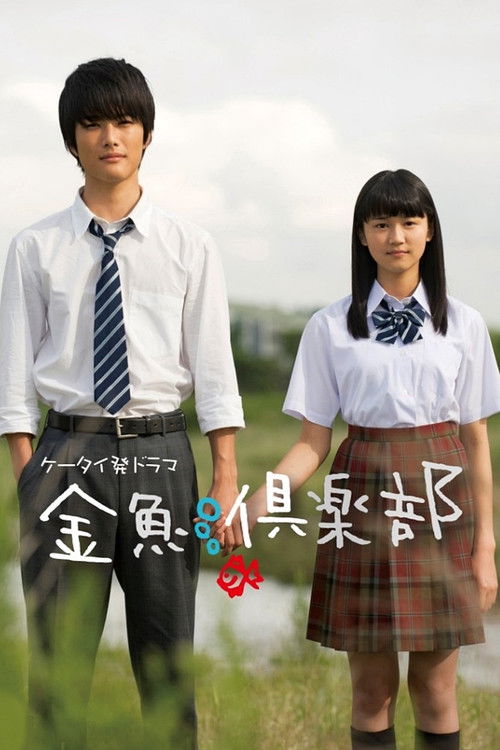
0Goldfish Club
Irie plays Hiiragi Haru, a third-year high school student with no real interest in women or higher education, instead choosing to live his life idly. When he notices a first-year student named Harukawa Koto being bullied, he lends her a hand, and the two form a “goldfish club” just for themselves. While love begins to bloom between them, the bullying against Koto continues to escalate. --- Tokyograph

Karyuu No Utage
“Karyu no Utage” tells the story of a housewife (Kuroki) from a middle-class household who has tried to raise her son with the belief that putting in great effort will result in even greater results, but his laziness leads to conflict between them. On top of that, he meets a woman over the Internet who is a part-timer like he is, and he later declares that they're going to marry. As the mother faces a widening gap between her ideal and her reality, the story explores the same gap that exists in modern society
 0
0Challenged ~Graduation~
Challenged Graduation (チャレンジド〜卒業〜) is a two-part Japanese TV drama special aired on NHK in 2011, serving as a sequel to the 2009 series Challenged. Set one year after the original, it follows Keiichiro Hanawa (Kuranosuke Sasaki), a blind middle school teacher, as he guides his third-year students through their final school events, including a field day and preparations for exams and graduation. The story focuses on the emotional bonds between Hanawa, his students, and colleagues, addressing themes of perseverance, trust, and overcoming challenges. The first episode, "The Passionate Teacher's Challenge!" centers on the class's efforts to succeed at the field day relay, while the second, "Goodbye, Passionate Teacher," deals with Hanawa facing the end of his temporary teaching position and the students’ graduation

Moshidora
Minami joins her High School baseball team as a team manager after finding out that her best friend Yuuki is in the hospital and can't be a team manager any more. In order to try to fill in for Yuuki and to help out the team the best she can, she goes out to find a book on how to manage a baseball team. Unfortunately, she accidentally buys Peter Drucker's book called "Management: Tasks, Responsibilities, Practices" which is actually about how to properly manage a business. Because she couldn't return the book, she decides to read it anyway and to try to apply the business management concepts to the baseball team so that way they can go on and win the Nationals.
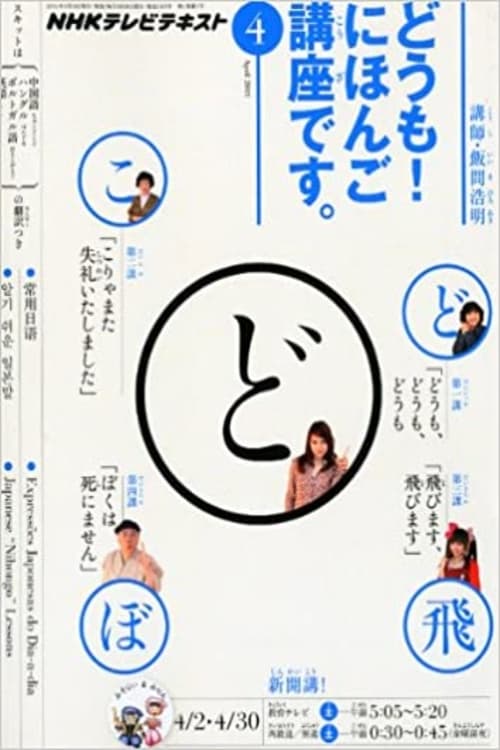
Hi this is a Japanese course
A course on Japanese including 25 short videos.

デザインあ
A show about the process of design, as well as how things are designed and made in Japan.
 0
0Hometown Stories
Stories about people, stories about life. Intimate portraits of people from around Japan, each leading diverse lives while enriching lives of others.

Princess Go
Princess Go was the youngest of the most famous three sisters in Japanese history, who each led a remarkable life in an age of turmoil and civil war. Go loses her parents in the war, marries three times, and feuds with her own sister in competing for power. Go's husband becomes the second Tokugawa Shogun and she ensures her prominence as she gives birth to a son who later becomes the third Shogun and a daughter, a wife of the Emperor. The drama describes the age of the civil war through the eyes of Princess Go, who plays a significant part in establishing the age of peace that lasts over 200 years in Japan.

Life Force
Extraordinary show that reveals how forces of nature through sheer power of evolution shaped life in all it's unexpected and glorious forms, and filled our planet with amazing diversity of animals and plants.
 0
0Amazing Arts of Japan
Arts Documentary hosted by Peter von Gomm, published by NHK.
 0
0野田ともうします。

Teppan
Teppan is a Japanese television drama that aired on NHK in 2010–2011. It was the 83rd Asadora. It starred a new actress, Miori Takimoto, in the role of a young woman raised by an adopted family in Onomichi who learns of her real grandmother and decides to move to Osaka to start an okonomiyaki restaurant. The title word "teppan" refers to the metal surface on which okonomiyaki are cooked. The series, while interrupted by the Tohoku Earthquake, averaged a 17.2% rating, making it the fourth most popular of the Asadora dramas in the previous five years.

I'll Still Love You in 10 Years
The story focuses on 26-year-old Rika (Ueto), a single editor who is unskilled in love. The story starts when a man (Uchino) appears before her, telling her that he is her husband from 10 years in the future. He informs her that she will meet the young version of himself in a few days, but begs her not to marry him. Tokyograph
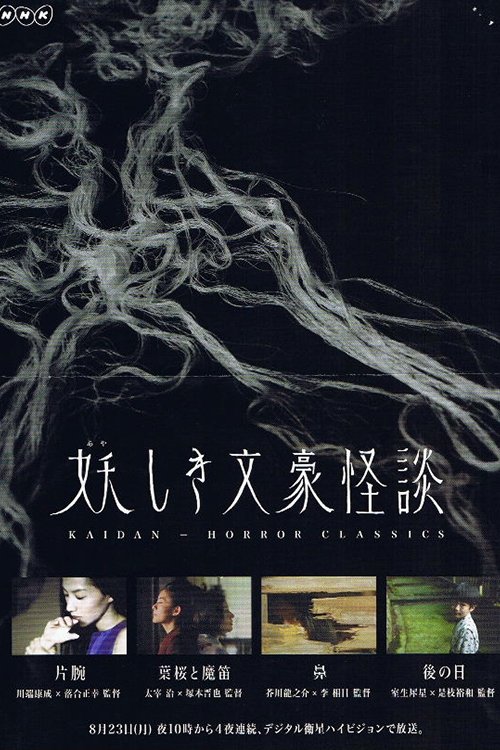
Kaidan Horror Classics
Four renowned Japanese directors each adapt a supernatural short story by Japanese literary masters for the KAIDAN HORROR CLASSICS omnibus series. In his adaptation of Yasunari Kawabata's THE ARM, Masayuki Ochiai reveals the inner world of fetishists in an eerily unsettling tale of a man who convinces a woman to let him borrow her arm for a night. Meanwhile, Shinya Tsukamoto explores death and unrequited love in Osamu Dazai's THE WHISTLER, about a woman who spies on her dying sister's secret love life after her own romance is dashed by her father. After VILLAIN, Lee Sang-Il looks at social outcasts once again in Ryunosuke Akutagawa's THE NOSE. The story follows a priest with a hideous nose who kills a young local boy in a moment of blinding anger. Meanwhile, Hirokazu Kore-eda creates a gentler ghost tale with Saisei Muro's THE DAYS AFTER, about a married couple who thinks the young boy who visits their house daily may be the ghost of their dead infant son.
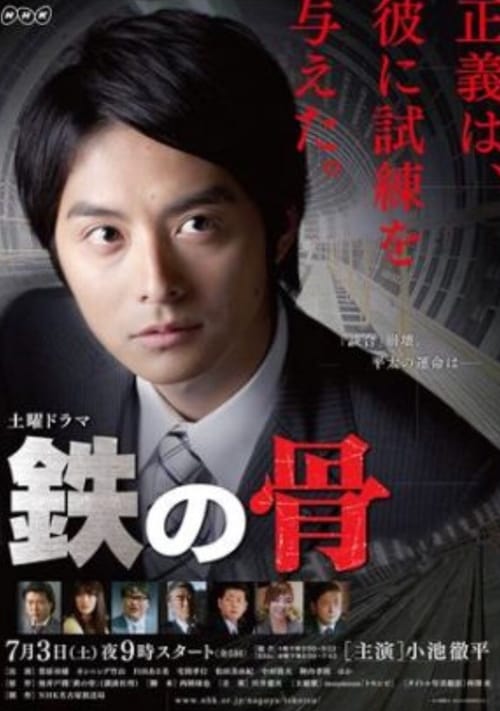
Steel Frame
Sharply revealing the issue of Japanese construction industry where bid-rigging was a common practice among the giants. After working diligently for three years at a construction site, Heita unwillingly transfers to a sales department where he becomes a part of the illegal collusion -- to limit open competition and obtain high-price public works within the colluding parties. He is torn from conducting unlawful action to save his company, yet deep inside wishing to abide by the law to follow his justice. What will his answer be?
 0
0離婚同居
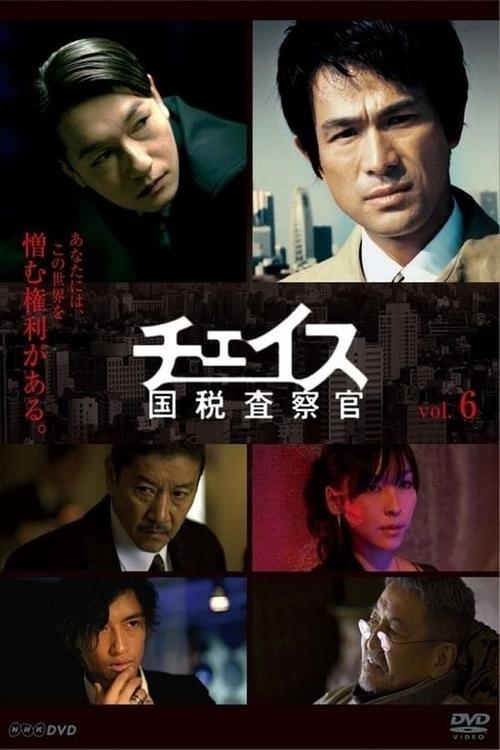
Chase: National Taxation Inspector
Following the death of his wife from a plane crash, tax inspector Haruma is convinced that the tragedy was a premeditated crime. A number of clues connect him to a tax evader Murakumo, who is about to perform an evasion scheme of US$ 7 billion.