
Fuji TV
Featured Show:
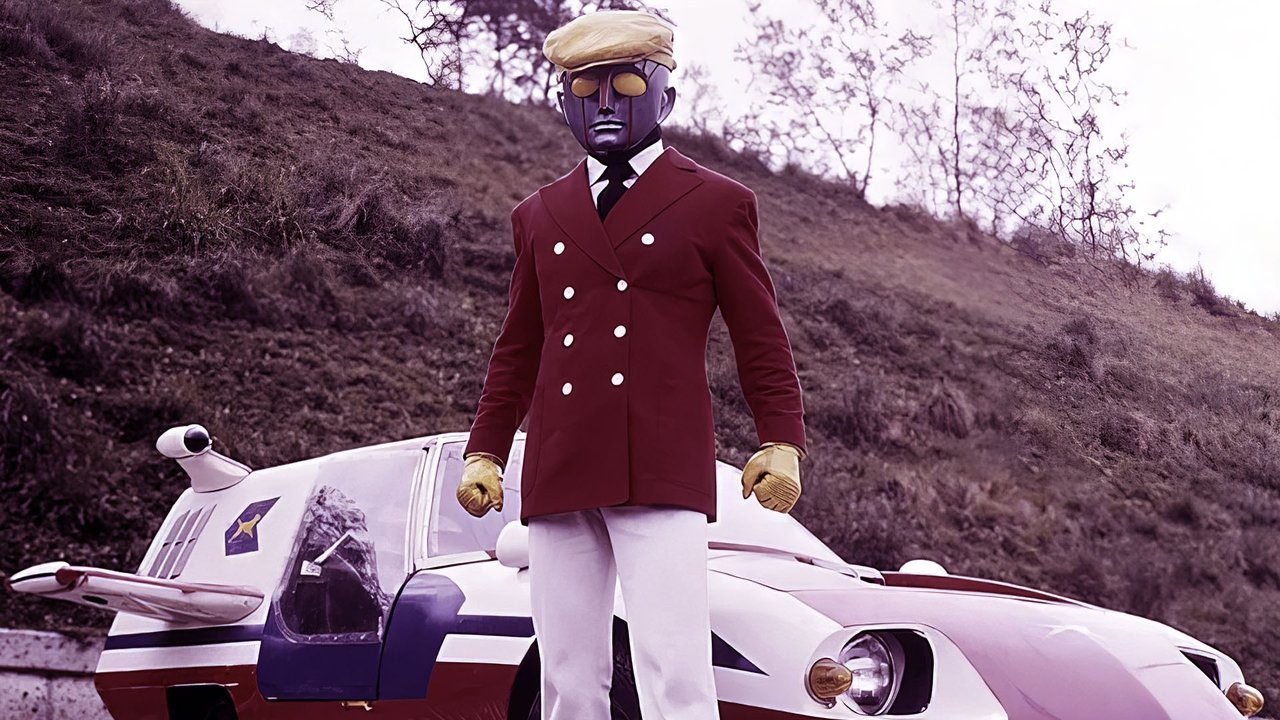
Robot Detective
A scientist builds a humanoid robot detective complete with human-like personality to fight a band of murdering robots created and led by her crazed brother.
Fuji TV TV Shows
1236 shows • Page 58 of 62
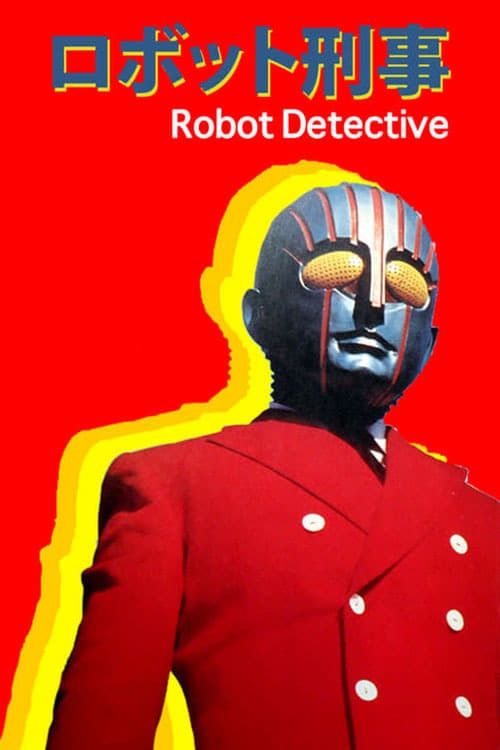
Robot Detective
A scientist builds a humanoid robot detective complete with human-like personality to fight a band of murdering robots created and led by her crazed brother.
 0
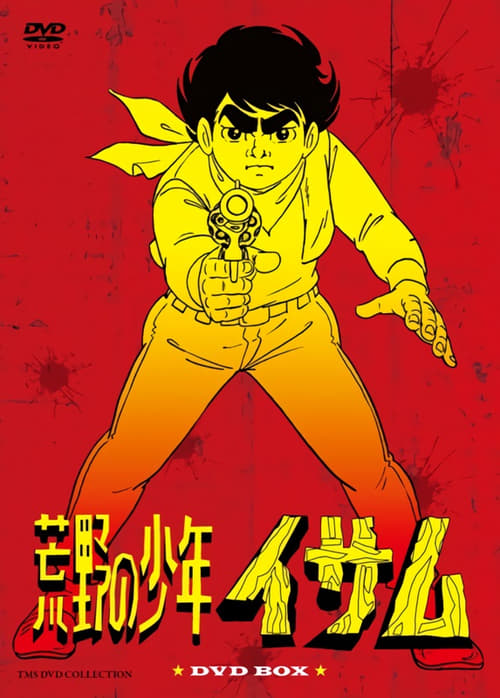
0Kouya no Shounen Isamu

Lion-Man
Fuun Lion-Maru, translated as Storm Cloud Lion Maru, was a tokusatsu series that aired in Japan in 1973. It was the second series in the Lion-Maru trilogy, and featured a third Maru-like character named Black Jaguar. This Lion-Maru is deemed "the Rolling Tempest Ninja Warrior." This series was popularized in Brazil as Lion Man in 1989, the only other country besides Japan to show the 25 episodes of this series.
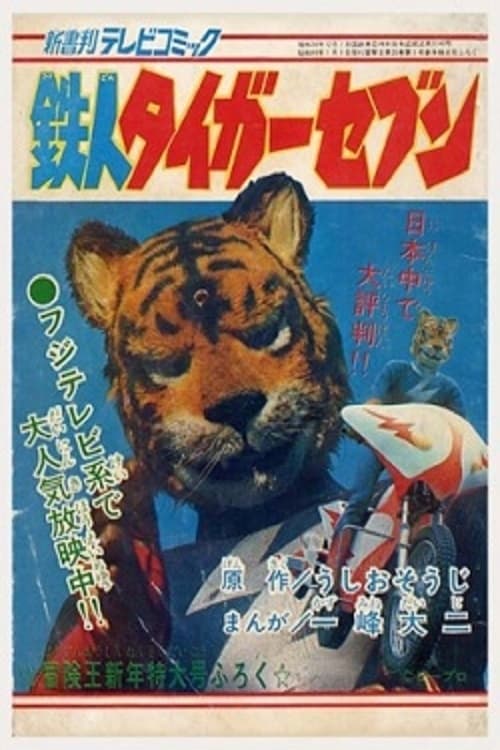
Iron Man Tiger Seven
Tetsujin Tiger Seven, translated as Iron Man Tiger 7, was a Japanese tokusatsu television series that aired in 1973, produced by P Productions. Unlike P. Productions previous series about cat based heroes Iron Man Tiger 7 is set in modern Japan. Takigawa Go gets the power to transform into Tetsujin Tiger Seven from an artificial heart and a magic pendent. To transform he utters the henshin phrase "Tiger Spark". Takigawa Go is played by Tatsuya Nanjô who also starred in Toei's Henshin Ninja Arashi. Go rides a Suzuki motorcycle with rocket boosters. When he transforms into Tiger Seven the motorcycle transforms as well to become "Spike Go". Spike Go can drive itself, coming to its master's aid when Tiger 7 roars. Tetsujin Tiger 7 was apparently P. Production's attempt at a Kamen Rider style series. They even hired Shunsuke Kikuchi composer of the 1970s Kamen Rider music to write the music for Tetsujin Tiger 7.
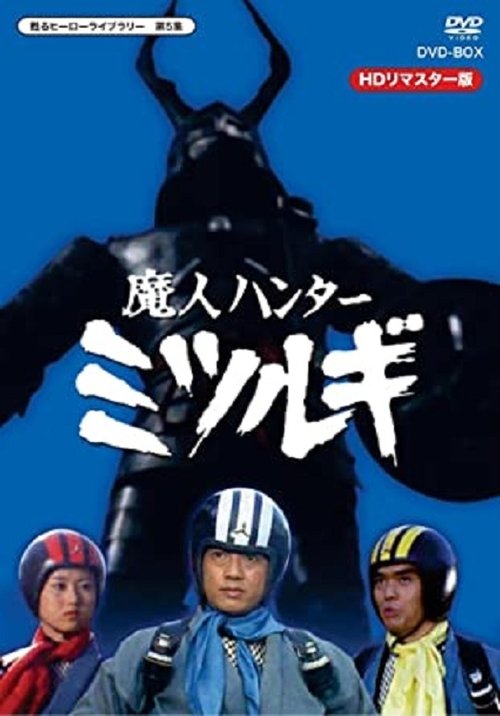
Demon Hunter Mitsurugi
Three ninja siblings, Ginga [Galaxy] Mitsurugi, Suisei [Comet] Mitsurugi, and Gekko [Moonlight] Mitsurugi, battle the alien warriors of the Scorpion Army.
 0
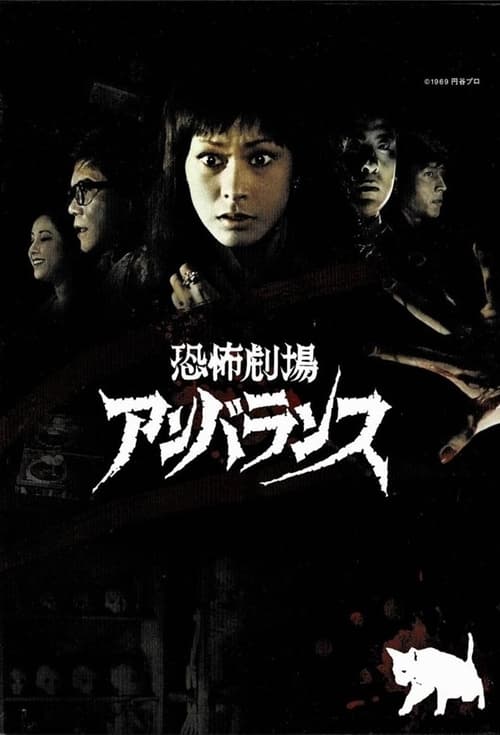
0Horror Theater Unbalance
Horror Theater Unbalance is a 1973 Japanese Anthology television series created by Tsuburaya and Fuji TV to air on the Fuji TV network on Monday Nights for 13 episodes. Originally started in production in 1969, it was shelved and took years for its airing debut to begin its broadcast, before production was eventually completed at the end of 1972. It was then aired on Fuji TV in 1973.
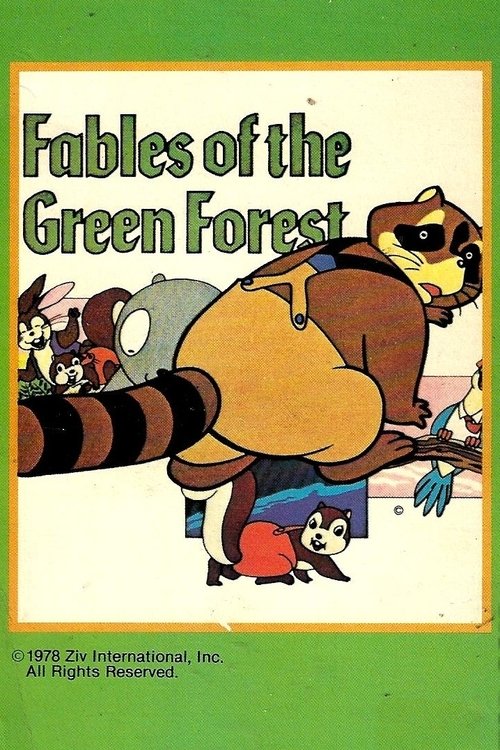
Fables of the Green Forest
Fables of the Green Forest is an anime adaption based on a series of books published in the 1910s and 1920s by Thornton W. Burgess which ran on the Japanese network Fuji TV from 7 January 1973–30 December 1973. It consists of 52 episodes and was created by the animation studio Zuiyo Eizo. The series has been aired in many countries outside Japan, such as Germany, Spain, Romania, Portugal, Venezuela and Canada. The release of the series into Canada was done through Ziv International in 1978.
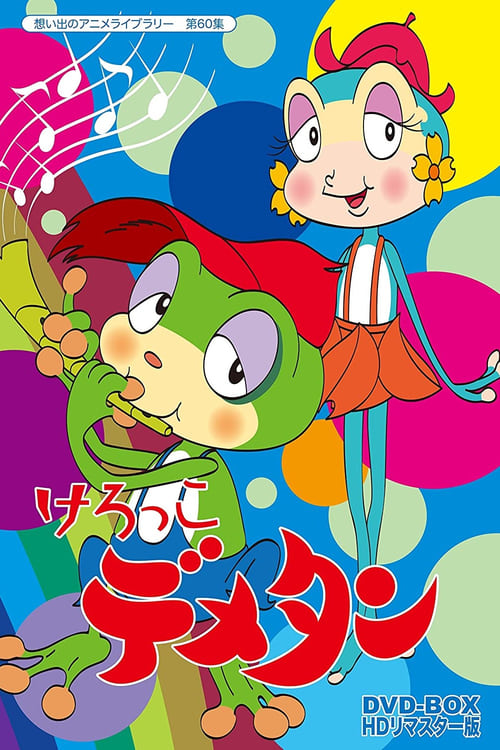
Kerokko Demetan
A poor young frog living in Rainbow Pond with his mother and father (a toymaker), who becomes friends with a popular and sweet girl frog named Ranatan, despite the differences in their social standings: Ranatan is the daughter of the leader of Rainbow Pond, while Demetan and his parents are tree frogs, which make them automatic outcasts in the community. Together, Demetan and Ranatan enjoy many adventures.
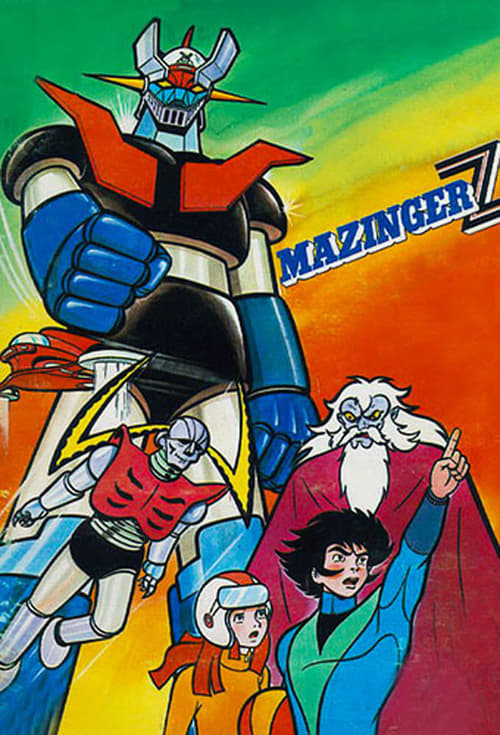
Mazinger Z
Mazinger Z, known briefly as Tranzor Z in the United States, is a Japanese super robot manga series written and illustrated by Go Nagai. The first manga version was serialized in Shueisha's Weekly Shōnen Jump from October 1972 to August 1973, and it later continued in Kodansha TV Magazine from October 1973 to September 1974. It was adapted into an anime television series which aired on Fuji TV from December 1972 to September 1974. A second manga series was released alongside the TV show, this one drawn by Gosaku Ota, which started and ended almost at the same time of the TV show. Mazinger Z has spawned several sequels and spinoff series, among them UFO Robot Grendizer and Mazinkaiser. It was a very popular cartoon in Mexico during the 1980s, where it was dubbed into Spanish directly from the Japanese version, keeping the Japanese character names and broadcasting all 92 episodes, unlike the version aired in the U.S.
 0
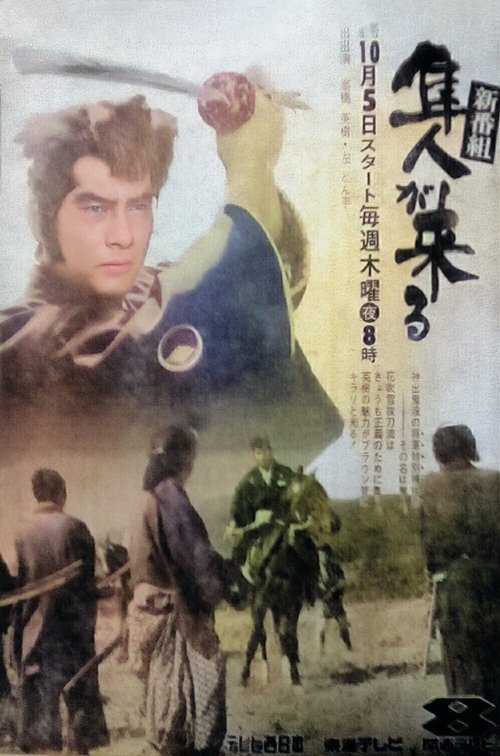
0Hayato is Coming
In the Kyoho era, Hayato, a shogun vassal commissioned as a traveling inspector by Tokugawa Yoshimune, adopts the guise of a ronin. Accompanied by the enigmatic Kihachi the kappa, he journeys discreetly through different provinces, administering justice to the malevolent forces...
 0
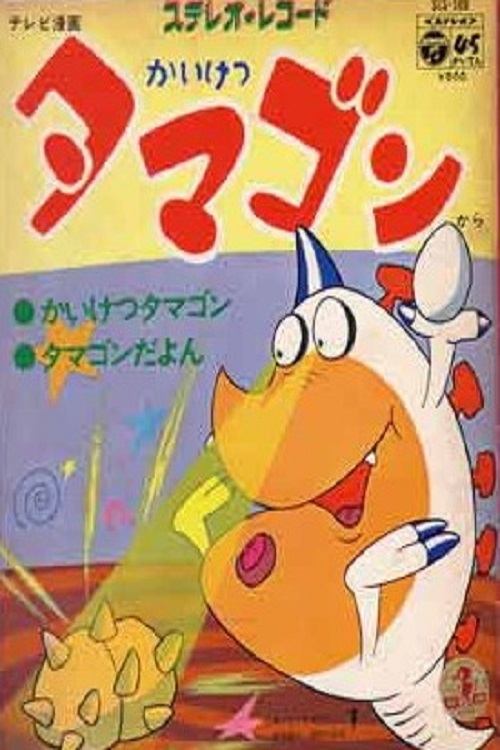
0Tamagon the Counselor
Tamagon the Counselor, also known as Eggzavier the Eggasaurus, is a Japanese anime television series created by Tatsunoko Production. Tatsunoko's description of the series reads as follows: "Tamagon is a cute monster who is fond of eggs. He acts as a counselor to those in trouble, asking only eggs in payment. He goes to work as soon as he has eaten his fee. However, despite his schemes, his service usually ends in failure and he winds up being chased by his irate clients. Short as it is, this program is full of lively laughs and humor."
 0
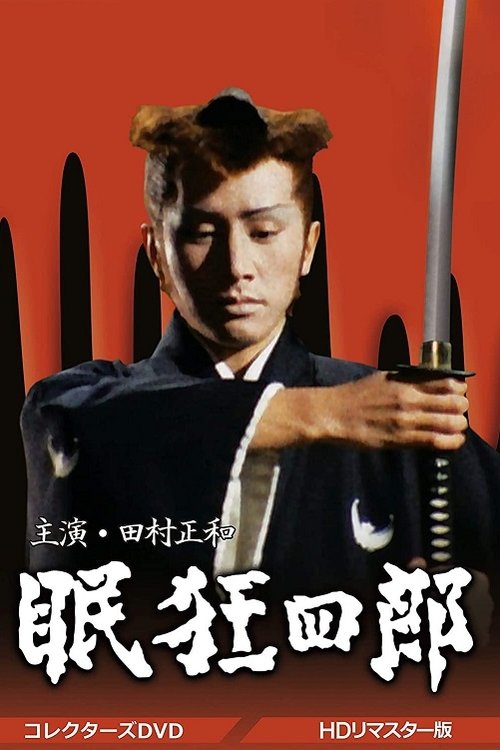
0Nemuri Kyoshiro
Thirteen years after his mother took her own life as a ritual sacrifice for the Black Mass, samurai Kyoshiro (Masakazu Tamura), who lives his life with his eyes turned away from happiness, uses his beloved sword to slay his enemies who come at him.....
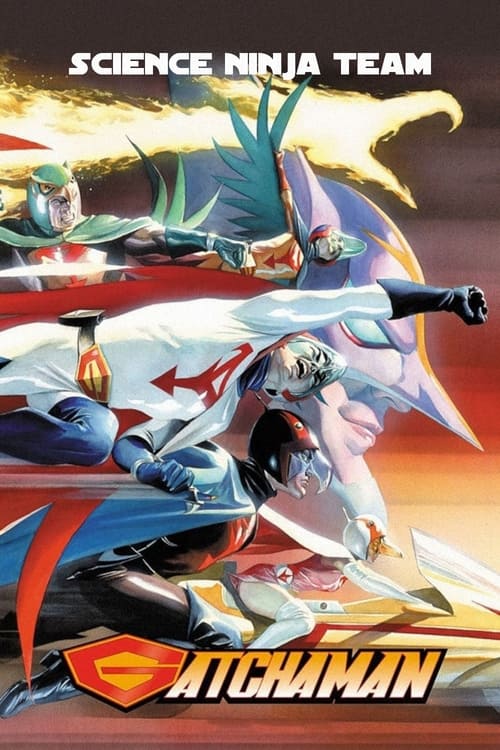
Science Ninja Team Gatchaman
Science Ninja Team Gatchaman is a five-member superhero team that is composed of the main characters in several anime created by Tatsuo Yoshida and originally produced in Japan by Tatsunoko Productions and later adapted into several English-language versions. It is also known by the abbreviated name Gatchaman. The original series, produced in 1972, was eponymously named Kagaku Ninja Tai Gatchaman and is most well known to the English-speaking world as the adaptation titled Battle of the Planets. The series received additional English adaptations with G-Force: Guardians of Space and ADV Films' uncut 2005 release. Tatsunoko also uses the official translation Science Commando Gatchaman, as shown in numerous related products and media. Because the English-language versions are notoriously inconsistent not only with one another but also with the original Japanese series, viewers most familiar with the English versions often experience some confusion upon re-examining the series after a long hiatus. The original 1972 Kagaku Ninja Tai Gatchaman series was followed by an animated film, two sequel series, Gatchaman II, and Gatchaman Fighter. In the 90's, episodes from both series were dubbed into English by Saban as Eagle Riders. In 1994, the original series was remade as a condensed OVA series.
 0
0Two Poor Ronins
A master swordsman, Ryunosuke and a young ronin, Shiba Gennoshin, who was a subordinate of the accounting magistrate, meet Miyoshi, who was working as a doctor in Edo, and Higashi, a retired doctor. They travel with Michimaro Nokoji to punish evil.
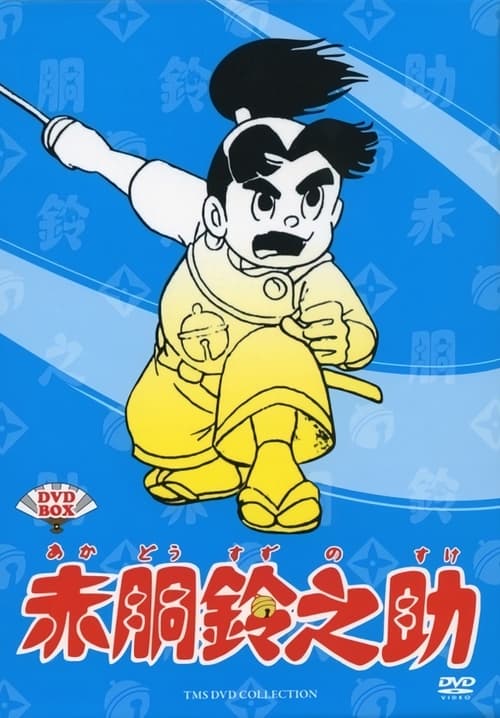
Little Samurai
A young swordsman finds himself involved in a plot to overthrow the shogunate.
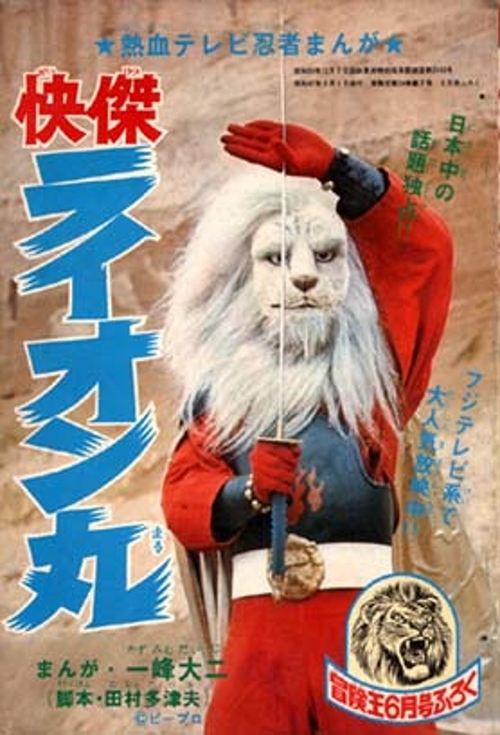
The Extraordinary Hero Lion-Maru
Kaiketsu Lion-Maru, The Vigilant Lion Knight, was a Japanese tokusatsu television series in the Lion-Maru franchise that aired in 1972-1973, produced by P Productions and set during Japan's Sengoku period.
 0
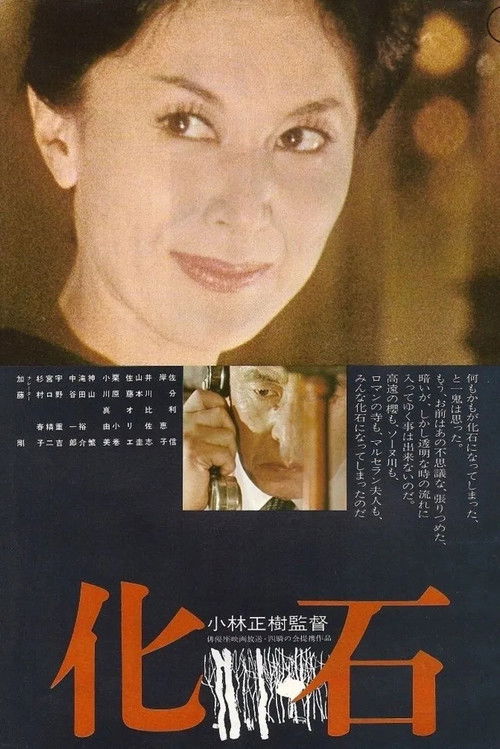
0Fossil
An industrialist is diagnosed with terminal cancer. He is abroad in Europe at the time, and a glimpse of a Japanese woman in that setting causes him to imagine her as the personification of his impending fate. As his dialogue with his imagined mortality continues, he meets the living woman, the template for his fantasy, and together, they tour rural churches. Gradually, he comes to some kind of peace about the diagnosis. When he returns to Japan, he is met with a series of challenges that profoundly test the lessons he has learned.
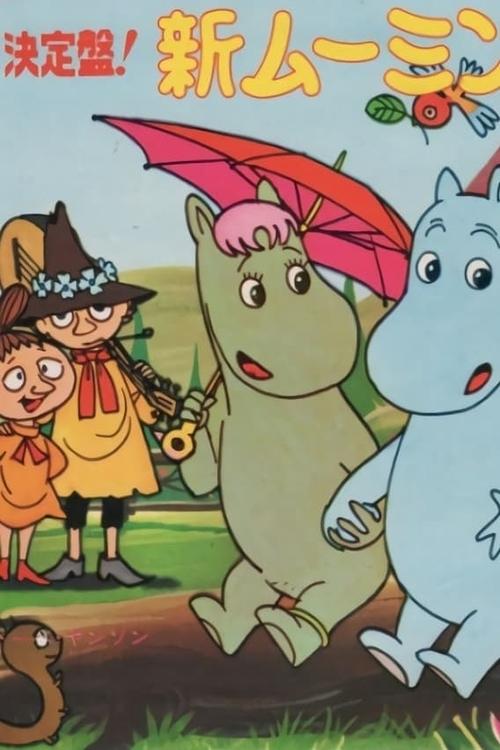
New Moomin
A remake of the 1969-70 Moomin series. This version is more closely based on the books by the Finnish illustrator and writer Tove Jansson.
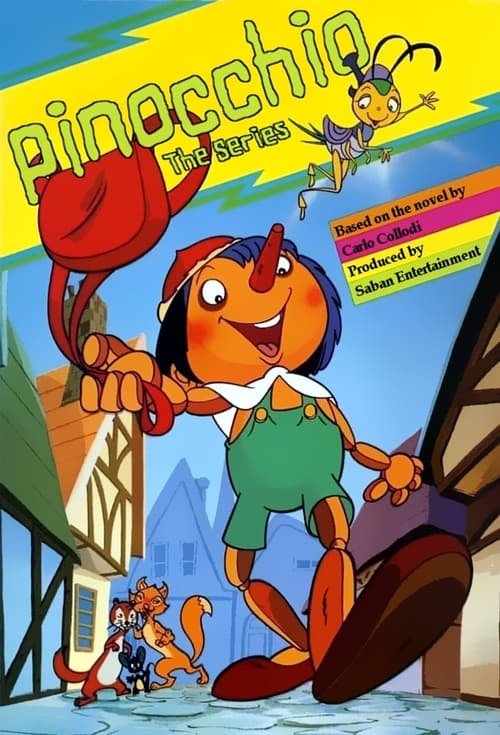
Pinocchio: The Series
Mokku of the Oak Tree, also known as Mokku Woody the Oak Tree, or Saban's Adventures of Pinocchio in the United States, is a 52 episode anime series by Tatsunoko Productions first aired on Fuji Television in 1972. The story is based on the novel The Adventures of Pinocchio by Italian author Carlo Collodi. Unlike the more cheerful lighter tones of the Disney Version and Nippon Animation's version Piccolino no Bōken, this series has a distinctly sadistic darker theme and portrays the main character, Pinocchio, as suffering from constant physical and psychological abuse and freak accidents.
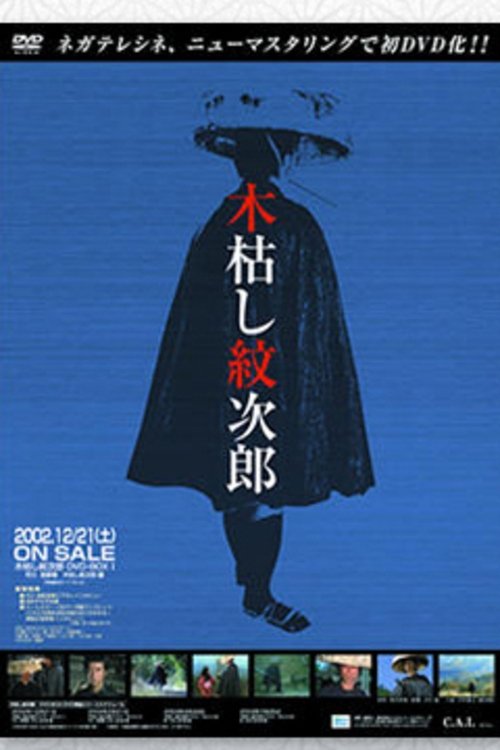
Kogarashi Monjiro
Monjiro was born into a poor farm family in Mikazuki Village, Nitta County, Ueshu, and abandoned his hometown when he was 10 years old. He has been traveling aimlessly with a long toothpick in his mouth. Monjiro avoided getting involved in anything, but wherever he went, he ended up getting involved in incidents