
ABC TV
Featured Show:
The Explorers
Bill Peach explains the stories of the great 18th and 19th century explorers of Australia, complete with full-cast re-enactments.
ABC TV TV Shows
669 shows • Page 30 of 34

The Explorers
Bill Peach explains the stories of the great 18th and 19th century explorers of Australia, complete with full-cast re-enactments.
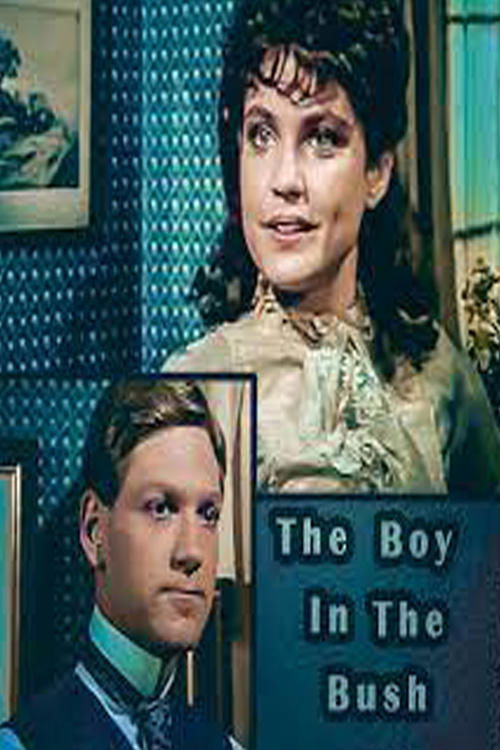
The Boy in the Bush
n the 1880s, Jack Grant, a young Englishman, has been sent by his parents to make a new life in the pioneering colony of Western Australia. When he arrives, he is met at the dock by Mr. George, who introduces him to his mother's relatives. Jack's life is to be full of adventures, including taming horses and fighting kangaroos. Jack also competes for the love of two cousins.
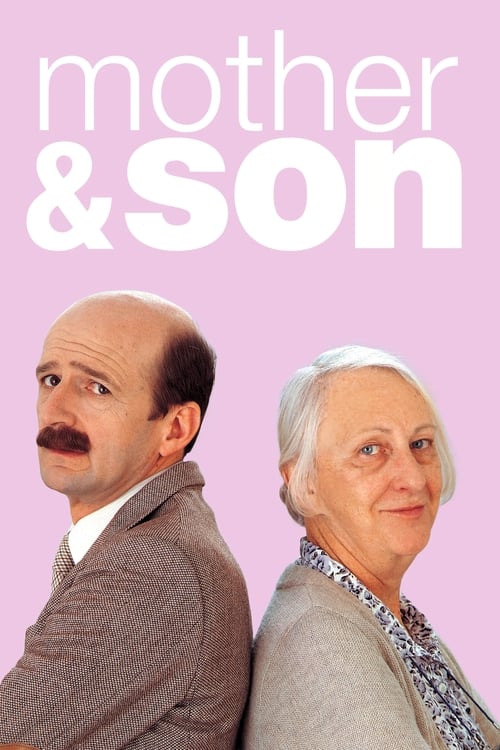
Mother and Son
Mother and Son was a multiple Logie Award-winning Australian television sitcom produced by the Australian Broadcasting Corporation from 16 January 1984 until 21 March 1994. The show stars Ruth Cracknell, Garry McDonald, Henri Szeps and Judy Morris. It was created and written by Geoffrey Atherden AM. Its classic theme song features the Tasmanian Symphony Orchestra, playing to I Want a Girl, a jazz standard which was recorded by Al Jolson in the 1920s.
Scales of Justice
Scales of Justice is a three-part Australian drama miniseries, made in 1983 by director Michael Jenkins. It was one of the most controversial Australian mini-series ever produced, examining corruption in all levels of law enforcement.
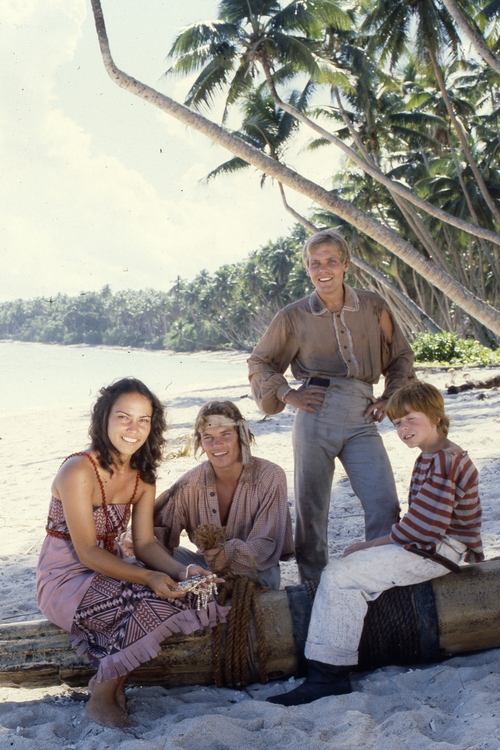
The Coral Island
After a shipwreck, three boys, Ralph Rover, Jack Martin, and Peterkin Gay, become stranded on an uninhabited Polynesian island.
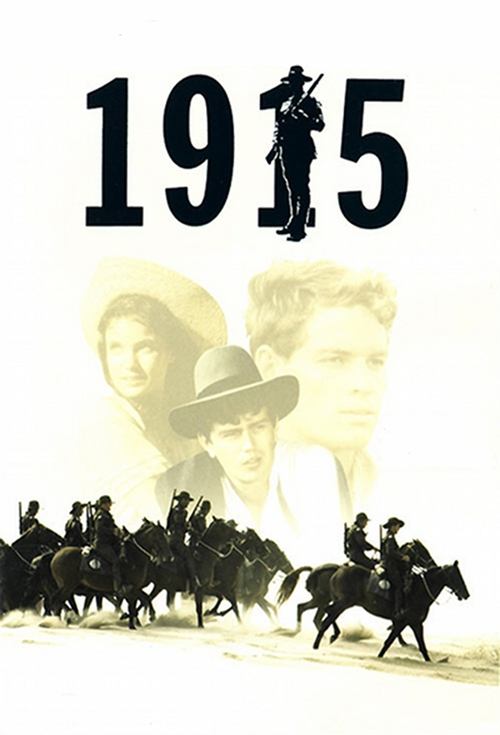
1915
1915 is a 1982 Australian mini series about two friends who wind up serving in World War One.
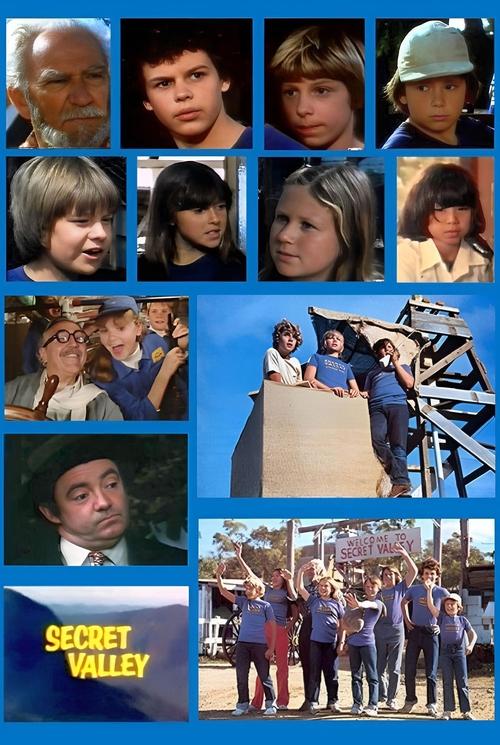
Secret Valley
Secret Valley was a fictitious children's holiday camp in Bildarra which had been transformed from a run down ghost town into a resort. The children who worked and visited the camp often found themselves in battle against a gang of "bad" kids - Spider McGlurk and his gang from "Spider Cave". These battles usually featured flour bombs and other food related missiles and everyone inevitably ended up in a big mess.
0Rock Arena
Rock Arena was a weekly Australian music television show broadcast by the ABC from 23 February 1982 until 31 January 1989. The program featured live music performances, and interviews with bands and singers. The performances were presented as if the artist was in a pub or in concert.
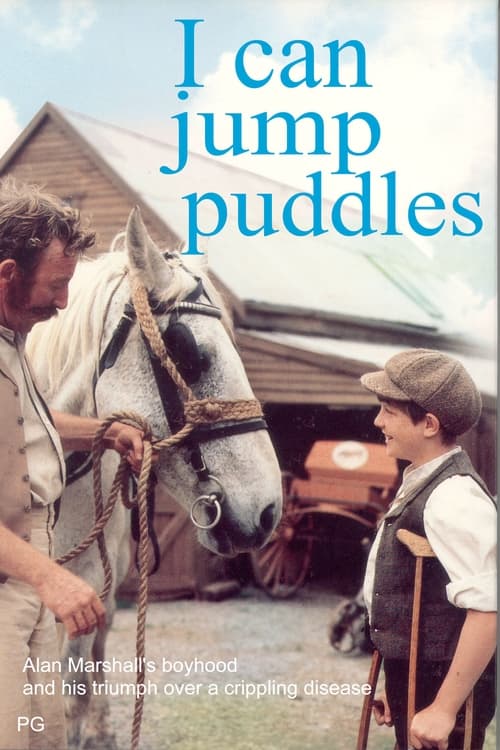
I Can Jump Puddles
I Can Jump Puddles is a 1981 Australian television mini-series based on the 1955 autobiographical series of the same name by author Alan Marshall. Adapted for television by screenwriters Cliff Green and Roger Simpson, the series starred Lewis Fitz-Gerald, Adam Garnett, Tony Barry, Julie Hamilton, Ann Henderson, Lesley Baker, Olivia Brown, Debra Lawrance and Darren MacDonald. Several prominent television actors also had supporting roles including Lisa Aldenhoven, Kaarin Fairfax, Maurie Fields, Terry Gill, Reg Gorman, Matthew King, Julie Nihill, Maureen Edwards and Dennis Miller and Jason Donovan and Cliff Ellen. A large part of supporting and minor roles also featured cameo appearances by cast members of Prisoner such as Esme Melville, Peter Curtin, Ian Smith, Christine Amor, Fiona Spence, Edward Hepple, Sigrid Thornton, Leila Hayes, Sandy Gore, Mary Ward, Anne Phelan. Future cast members included Billie Hammerberg and Pepe Trevor.
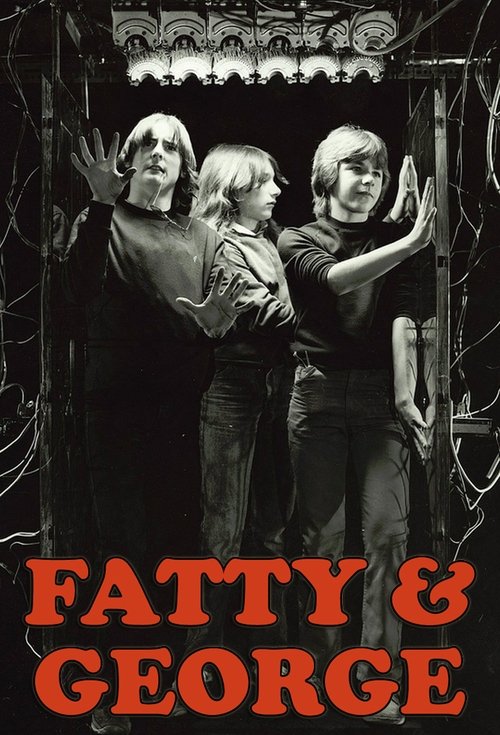
Fatty and George
The series follows the adventures of a brother and sister as they try to discover the whereabouts of their scientist father, whilst being pursued by an evil woman and her henchman.
0All the Green Year
All the Green Year is a 1980 Australian series based on a 1965 novel about three boys growing up on the eve of the Great Depression in Late 1920's Melbourne. The novel had sold more than 100,000 copies.
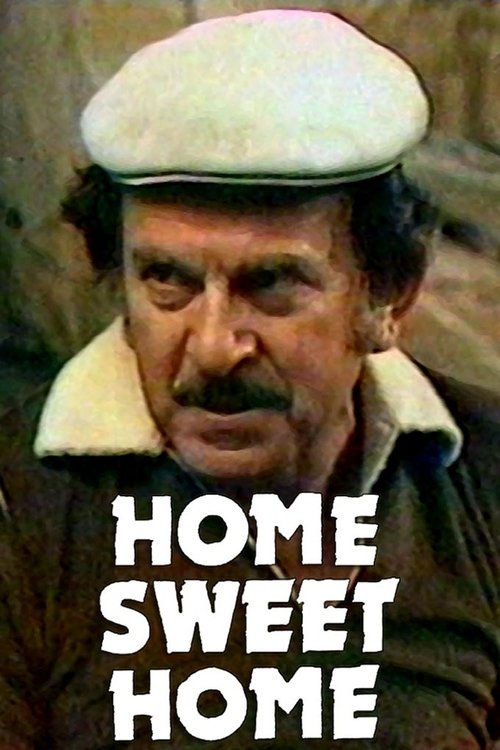
Home Sweet Home
Home Sweet Home is an Australian comedy television series created by Vince Powell and produced by Michael Mills, the Australian Broadcasting Corporation and Thames Television starring John Bluthal as Enzo Pacelli, a ham-fisted Italian immigrant taxi driver keen to champion his Italian values while his three Australian-educated children embrace the culture of their adopted country.
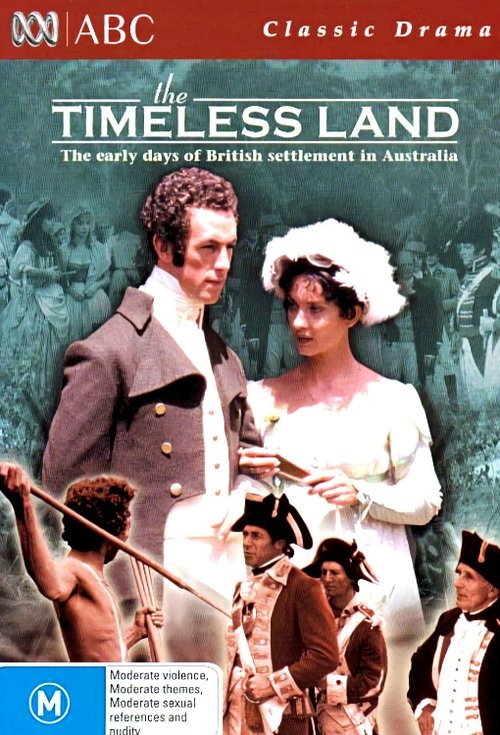
The Timeless Land
This classic saga spans the early days of British settlement in Australia from 1788-1811, depicting the lives of a group of people, convicts and settlers, against the background of the events of the period - Governor Phillip's attempts to understand the Aborigines and his conflicts with the military, the tragic story of Bennelong, Governors King and Bligh, the Rum Rebellion, Macquarie and the crossing of the Blue Mountains.
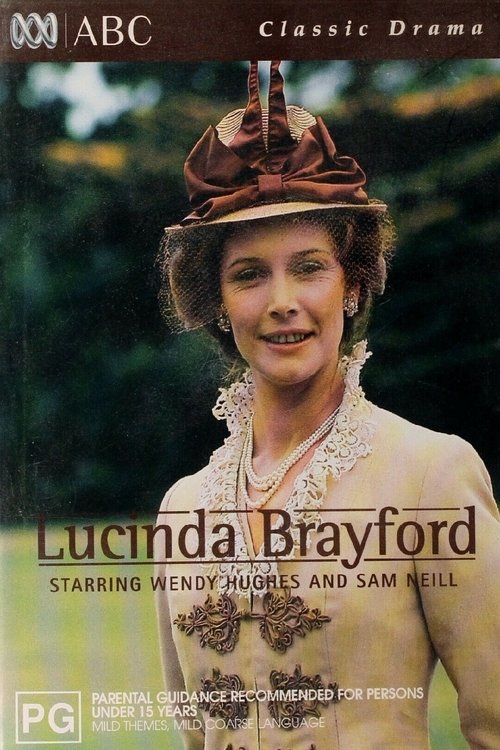
Lucinda Brayford
Based on the novel by Martin Boyd (1946) this miniseries tells the story of many generations of a family who migrate from England to Australia and eventually back to England, suffering poverty and becoming social climbers. The family's social ambitions lead to conflicts between Lucinda and her parents over the attentions of Tony Duff. She therefore marries wealthy Englishman Hugo Brayford and moves to England with him. A series of failures and adulterous episodes in England lead to her experience of "geographical schizophrenia" and personality disintegration.
Locusts And Wild Honey
Sarah and Jane Norris star alongside their real-life mother Julia Blake as two girls who go missing in what is suspected to be an alien abduction.
Parkinson In Australia
Australian version of Michael Parkinson's UK talk show. He interviews a broad range of famous Australians, and in later series, international stars.
The Body in Question
The Body in Question is a landmark British medical documentary series of 13 shows made for the BBC. It was a groundbreaking show, being the first to ever televise an autopsy (in the final show on 29 Jan 1979). Dr Jonathan Miller considers the functioning of the body as a subject of private experience. He explores our attitudes towards our bodies, our ignorance of them, and our inability to read our body's signals. The first episode starts with vox populi asking where various organs in the body are located. By the final episode we are left in no doubt. Taking as his starting point the experience of pain, Dr Miller analyses the elaborate social process of "falling ill", considers the physical foundations of "disease" and looks at the types of individuals humankind has historically attributed with the power of healing. The series was nominated for two 1979 BAFTAs: Best Factual Television Series and Most Original Programme/Series.
Alvin Purple
Alvin Purple was an Australian television situation comedy series made by the Australian Broadcasting Corporation in 1976. The series followed continued adventures of the title character, previously featured in successful sex comedy feature films Alvin Purple and Alvin Purple Rides Again. Graeme Blundell reprises the role of Alvin in the series. Alvin cohabitates with a new character, flatmate Spike. As in the films various women inexplicably lust after Alvin. The women were played by a stream of recognisable Australian actors in guest starring roles including Tina Bursill, Jackie Weaver, Belinda Giblin, June Rich, Jane Harders, Pamela Gibbons, Kirrily Nolan, Peta Peita, Judy Lynne, Suzanne Church, Carla Hoogeveen, Chantal Contouri, Anya Saleky. Dawn Lake and Leonard Teale also acted in the series.
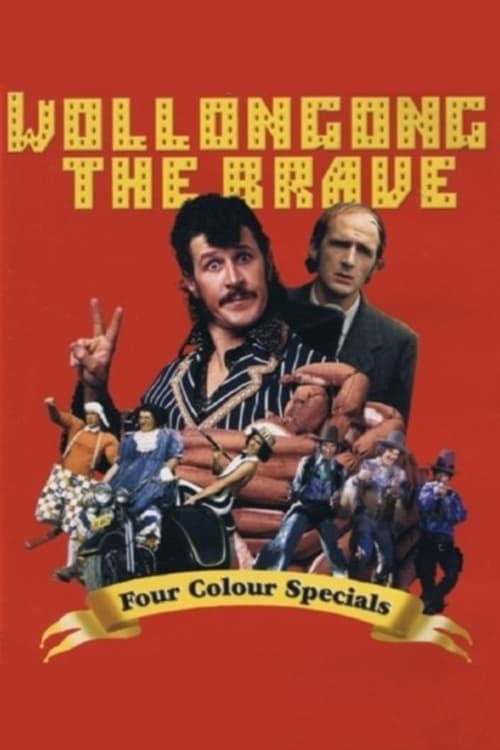
Wollongong the Brave
Aunty Jack's Wollongong the Brave is a collection of four comedy specials derived from the Australian television series, The Aunty Jack Show. The fourth and final episode was the precursor to The Norman Gunston Show. The episodes were filmed in 1974 and were aired during 1975. The mini-series was released to DVD by the ABC in March 2007.
 0
0Countdown
Countdown was a long-running popular weekly Australian music television show broadcast by the Australian Broadcasting Corporation from 8 November 1974 until 19 July 1987. It was created by Executive Producer Michael Shrimpton, producer/director Robbie Weekes and record producer and music journalist Ian "Molly" Meldrum. Countdown was produced at the studios of the ABC in the Melbourne suburb of Ripponlea. Countdown was the most popular music program in Australian TV history. It was broadcast nationwide on Australia's government-owned broadcaster, the ABC and commanded a huge and loyal audience. It soon exerted a strong influence on radio programmers because of its audience and the amount of Australian content it featured. For most of the time it was on air, it also gained double exposure throughout the country by screening a new episode each Sunday evening, and then repeating it the following Saturday evening. The majority of performances on the show were lip synched.