

NPO 1
Featured Show:
Flikken Maastricht
Former Amsterdam police detective Floris Wolfs has been transferred to the police department of the south-Dutch country town Maastricht. His metropolitan experience nicely complements the local expertise of his new country colleagues, who know the folks. Slowly he fits in, while solving countless crimes together with his female partner Eva van Dongen.
NPO 1 TV Shows
169 shows • Page 8 of 9

Flikken Maastricht
Former Amsterdam police detective Floris Wolfs has been transferred to the police department of the south-Dutch country town Maastricht. His metropolitan experience nicely complements the local expertise of his new country colleagues, who know the folks. Slowly he fits in, while solving countless crimes together with his female partner Eva van Dongen.
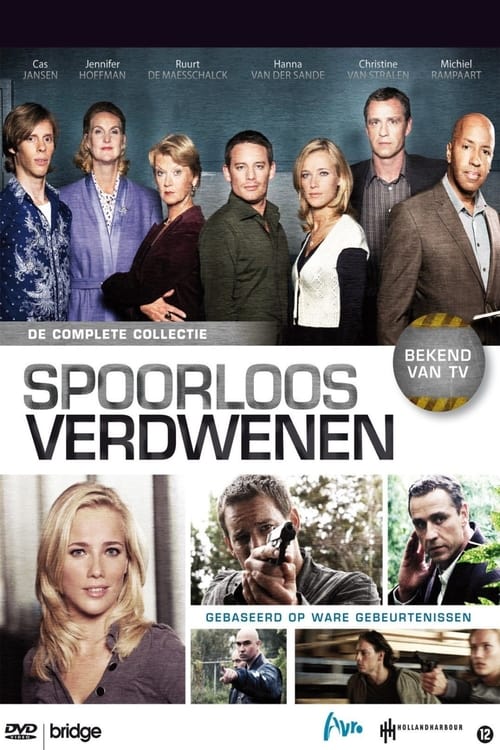
Spoorloos verdwenen
A special team searches for missing persons.
Keyzer & De Boer Advocaten
 0
0Van jonge leu en oale groond
De Avondetappe
De Avondetappe is a daily television program during the Tour de France that discusses the stage of that day. From 2003 to 2014, the presentation was in the hands of Mart Smeets. In 2015, the program was replaced by NOS Studio Tour, but since 2016 De Avondetappe has returned to the screen, now with presenters Dione de Graaff and Herman van der Zandt.
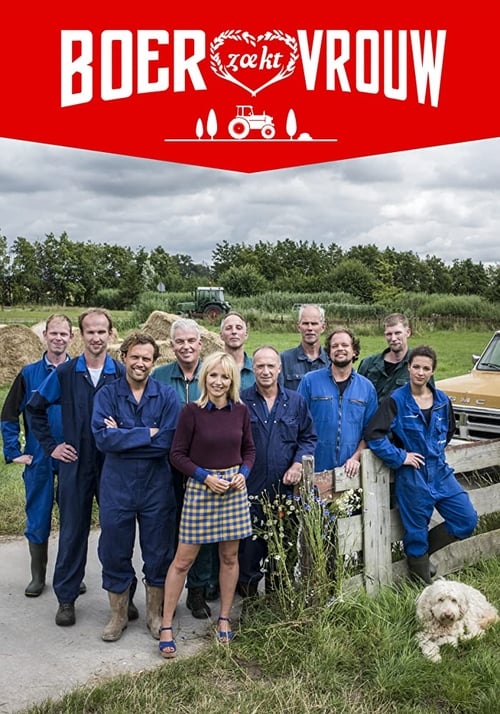
Farmer Wants a Wife
The basic structure of the program is that a number of farmers are presented with women from the city, from whom they choose one to be their spouse. The first edition premièred in the United Kingdom on ITV in 2001. However, the original format of the program is likely to date back to the TV program Bauer sucht Bäuerin, which was broadcast in 1983 on SF DRS in Switzerland.
De Bauers
NOS Studio Voetbal

Wie is de Mol?
Ten candidates have to complete assignments to earn money. However, one of the group members is the Mole. The Mole's goal is to make the assignments fail and keep the amount of money earned as low as possible. The other candidates do not know who the Mole is and need to unmask them. At the end of every episode, the candidates take a multiple-choice test about the mole's identity. The person who gives the least amount of correct answers is "executed" and must leave. This process continues until only two contestants and the Mole remain. The winner is the person with the most correct answers in the final test and they get all of the money earned in previous stages of the game.
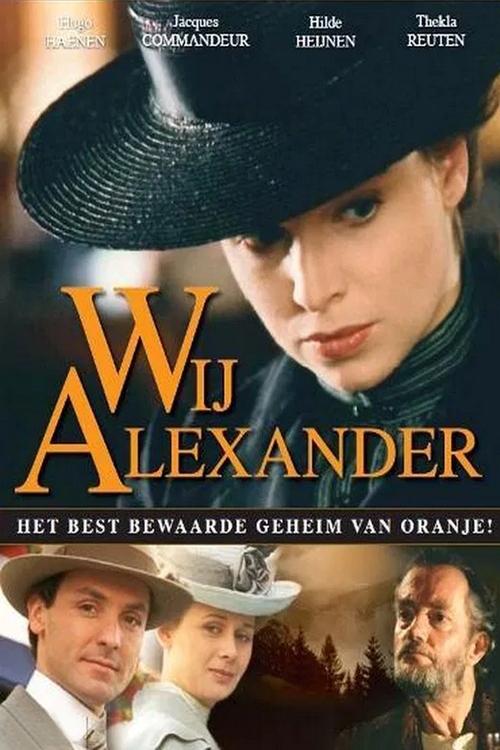
Wij Alexander
Who is Patient Number 4, and what does he have to do with the Van Oranje-Nassau's, the Dutch royal family?
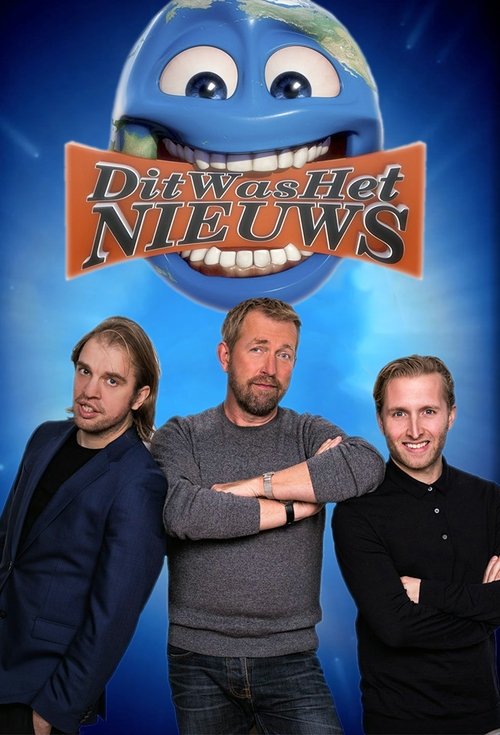
Dit Was Het Nieuws
Dit was het nieuws is a Dutch television program of RTL4, wherein two teams give a satirical account of the previous week's news. The program has the form of a game show in which two teams, each with a team leader and weekly guest, compete against each other. The scoring is not serious; after the first round, for instance, the score is always 4-4.
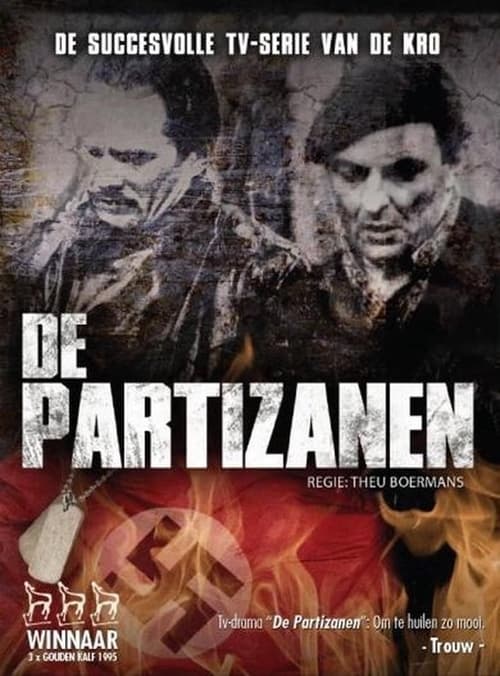
De Partizanen
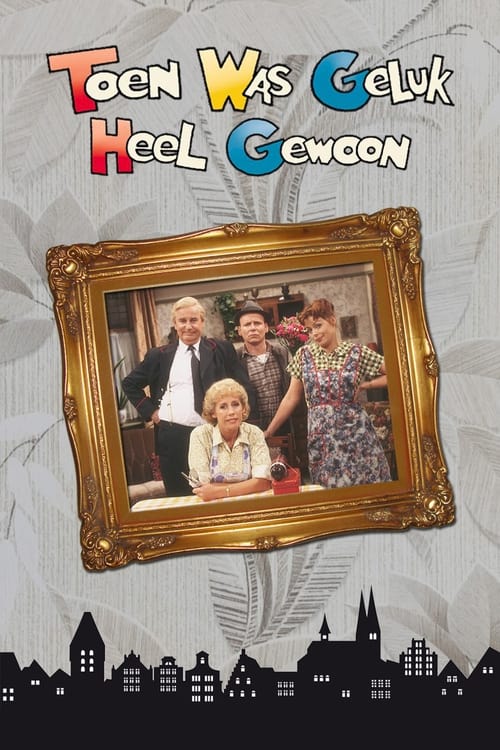
Toen was geluk heel gewoon
On January 2, 1994 the Dutch KRO television started an comic TV-show, based on the American sitcom 'The Honeymooners'. The scripts of these series were translated and edited by Gerard Cox and Sjoerd Pleijsier, two of the main actors. From the start of the fourth season they started to write their own episodes. The series are taking place in the south of Rotterdam, late fifties. The last season of the series took place in 1976.

Oppassen!!!
Sitcom about two grandfathers taking care of their grandchildren, so their children can focus on their careers.
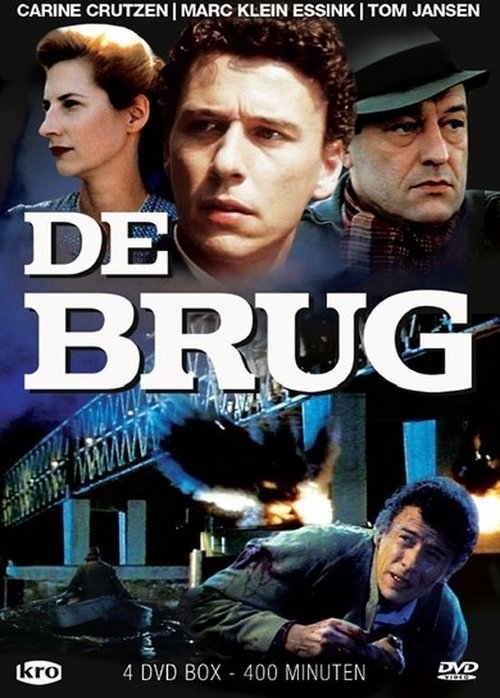
Brug, De
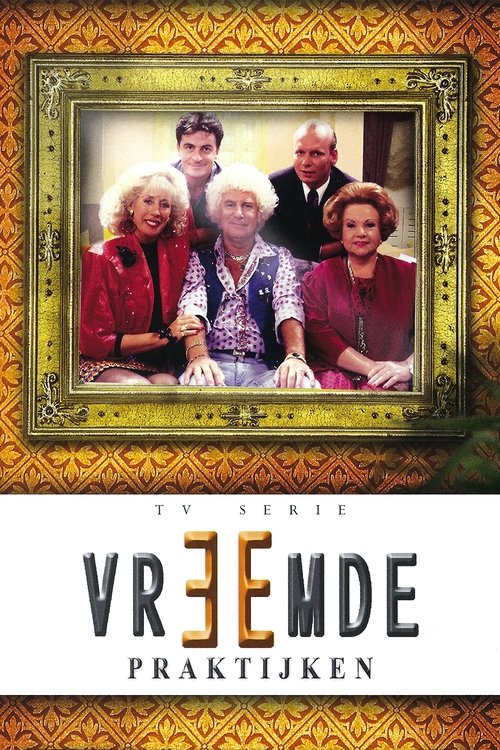
Vreemde Praktijken
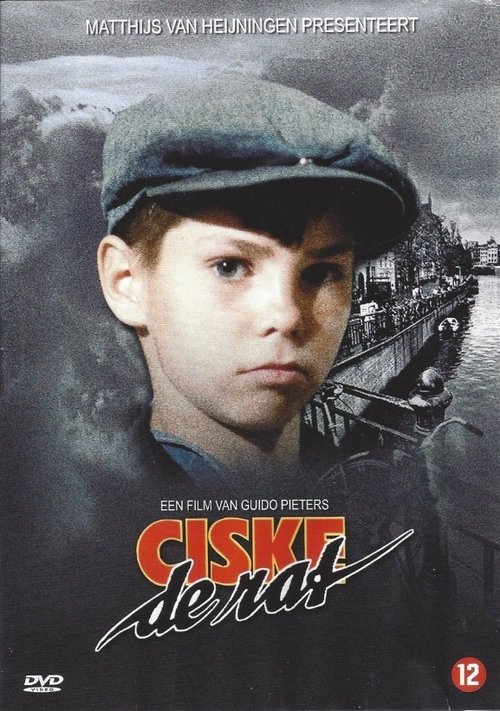
Ciske de Rat
Separated from his father and neglected by his mother, Ciske spends most of his time getting into scrapes on the streets of Amsterdam.
De appelgaard
 0
0Fien - De Musical
Four-part musical about the life of Dutch actress Fien de la Mar, chronicling her earliest days on stage with her father, her glory days as a stage and movie star and the building her own theatre, up until the tragic end of her life.

Jeugdjournaal
Jeugdjournaal is a Dutch television news programme produced by the Dutch public service broadcaster NOS for children. The programme has been broadcast since 1981. The aim of Jeugdjournaal is to present news that is both of interest and understanding to young viewers, without shying away from the main national and international news headlines. The broadcasts are viewed extensively by older viewers; about one-sixth of the programme's viewership are adults. Jeugdjournaal is involved in setting up similar shows in several countries where neutral news broadcasts are scarce. A main evening programme airs at 6:45pm, running for 15 minutes every night on Nederland 3. A 5-minute update also airs on weekdays at 4:25pm. The short afternoon updates and a weekly compilation programme are broadcast on the international Dutch-language television station, BVN.