
tv asahi
Featured Show:
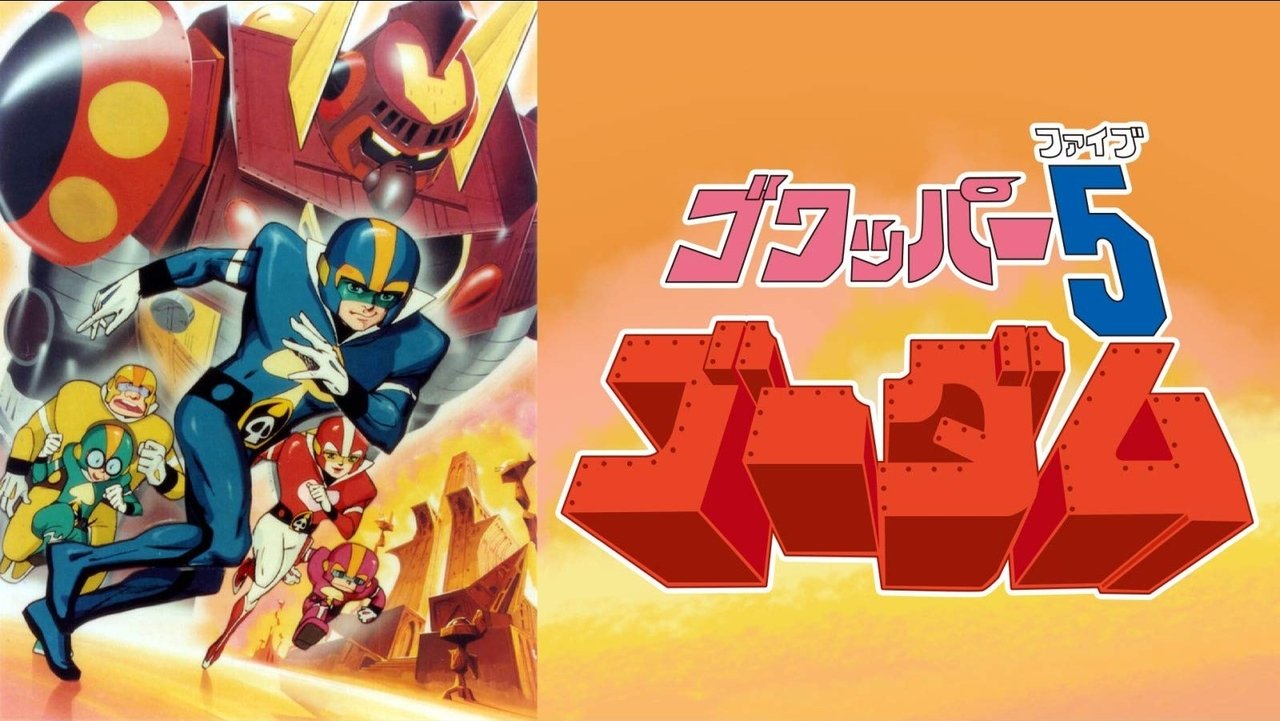
Goliath the Super Fighter
Go-wapper 5 Go-dam, is an anime series aired in 1976. There were 36 episodes. It is also referred to as Godam and Gowapper 5 Gordam. The series has also been aired on Italian television under the title Godam.
tv asahi TV Shows
899 shows • Page 43 of 45
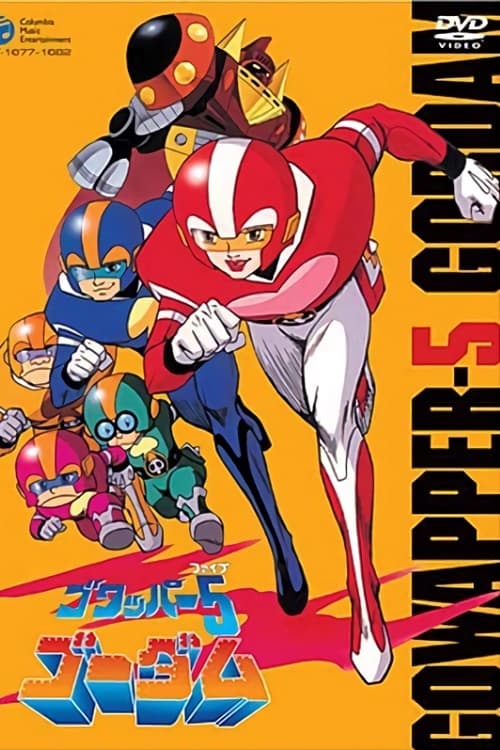
Goliath the Super Fighter
Go-wapper 5 Go-dam, is an anime series aired in 1976. There were 36 episodes. It is also referred to as Godam and Gowapper 5 Gordam. The series has also been aired on Italian television under the title Godam.
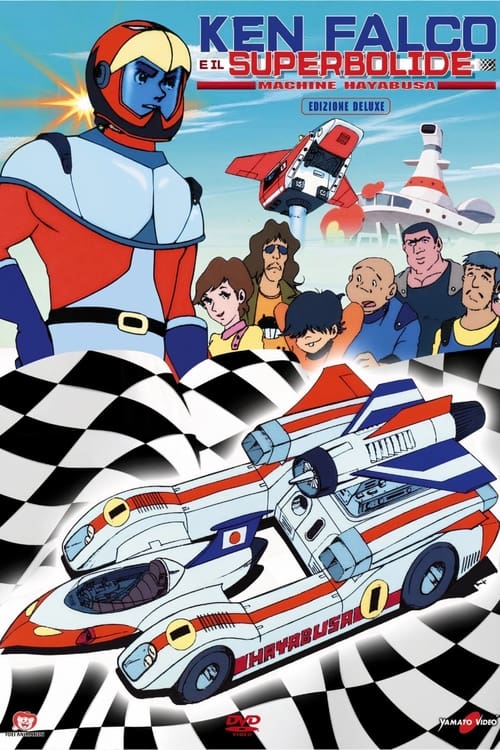
Machine Hayabusa
Ken Hayabusa is a racing driver, son of Engineer Hayabusa, designer of the Hayabusa Special racing car and its interchangeable engines. Ken runs for the Sayongi stable aboard the car built by his father and participates in mixed races between rally and endurance. His fiercest rivals are the members of the Black Shadow stable ("black shadow") and above all his owner and "patron", the mysterious Ayab Mobil Dick.
Little Lulu
Nippon Animation presents the mid-century adventures of Lulu Moppett, a brazen young girl who loves to play with dolls just as much as she loves to get even with her frenemy Tubby Tompkins and his gang of "fellers". Adapted from the American comic series of the same name, a daily slice-of-life of little girls and little boys unfolds in a cozy small American town, with the only problems to worry about being the trouble the kids get up to!
 0
0Tetsuko's Room
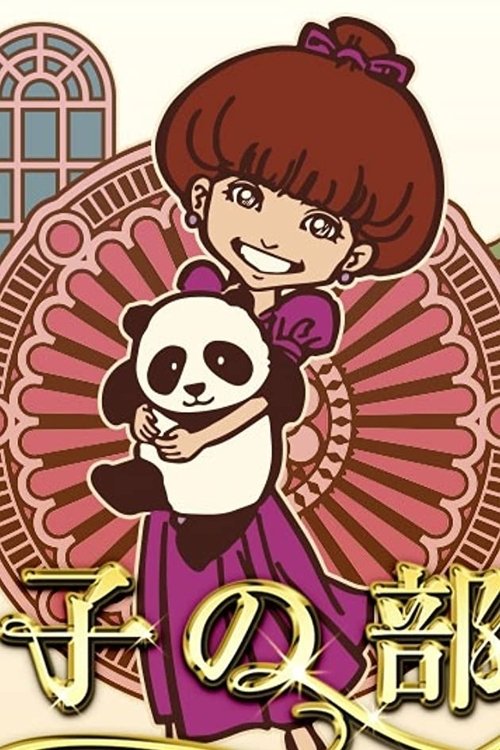
Tetsuko no Heya (Tetsuko's Room) is a long-running daytime television talk show hosted by Tetsuko Kuroyanagi. The show has been on the air for over four decades and is broadcast every weekday. Over 10,000 Japanese and foreign celebrities have appeared on the show over the years since its inception in February 1976.
Akumaizer 3
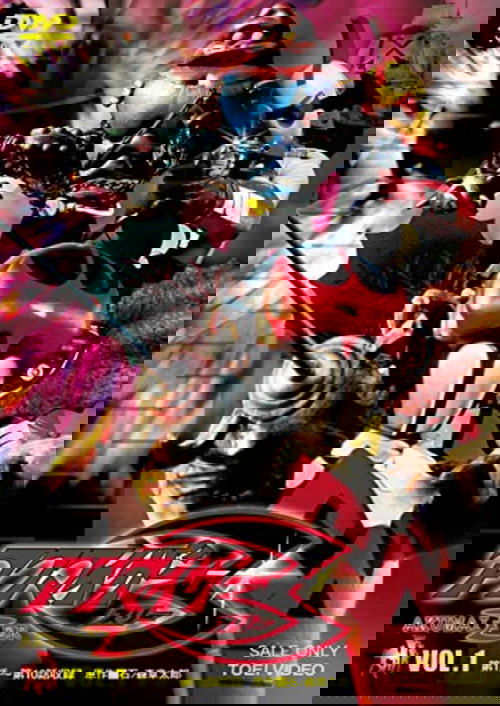
Akumaizer 3 is a Japanese science fiction tokusatsu television series, created by Shotaro Ishinomori and produced by Toei Company. The series premiered on Tuesday October 7, 1975 at 7:30, and ran for 38 episodes in that timeslot on NET, now known as TV Asahi. The series remains obscure outside of Japan, but was popular and renowned in its home country. The series was followed by a sequel called Chojin Bibyun which used rejected designs from the Kamen Rider series as its hero designs.
The Adventures of Pepero, Son of the Andes
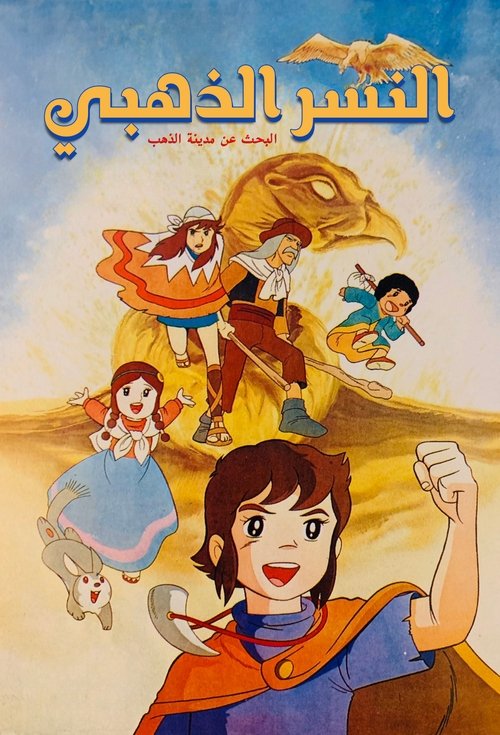
The Adventures of Pepero or The Adventures of Pepero the Andes Boy is a 26-episode anime TV series created by Tatsuya Ono and Sumio Takahashi and aired on the NET Network from 1975-10-06 to 1976-03-29 in Japan. It has since been then translated and broadcast in several languages worldwide. The story follows the young boy Pepero as he searches for his father who has gone missing while seeking the mythical golden city of El Dorado. The theme songs for the series are Pepero's Adventure and O Wind, Please Carry My Message, both composed by Takeo Yamashita and arranged by Hiroshi Tsutsui, with lyrics by Kazuo Umezu and vocals by Mitsuko Horie.
Tekkaman: The Space Knight
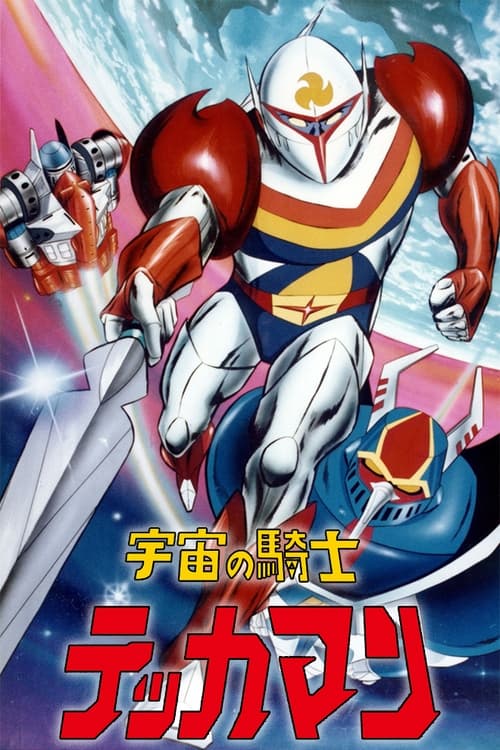
Tekkaman: The Space Knight is an anime produced by Tatsunoko Productions in 1975. A short-lived English adaptation aired in the US in 1984. Two decades later, it was followed by the much more popular Tekkaman Blade, which was dubbed in the U.S. by Saban as Teknoman. The original series is currently streaming in North America via Yomiura Group's planned Anime Sols video service, as of spring 2013. However, due to the failure to successfully crowd-fund it for DVD, the show will soon be removed from the site, with the possibility of considering a crowd-funding opportunity in the future.
 0
0Squad Power
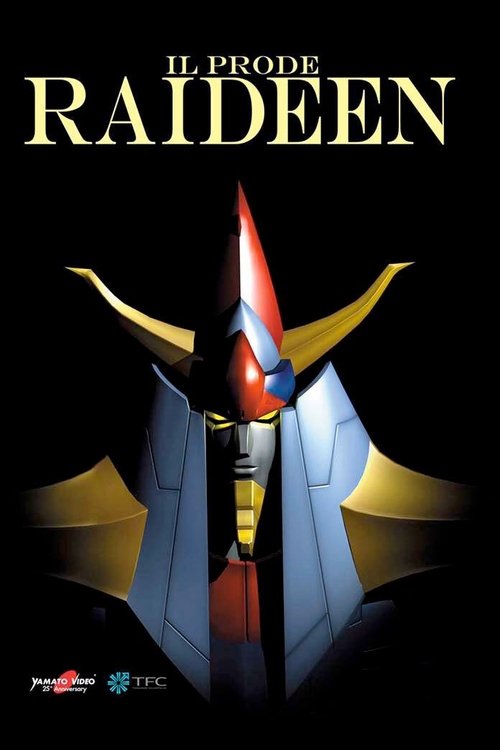
Reideen the Brave
After a slumber of twelve millennia, the Demon Empire awakens to seize control of the Earth. Raideen, the giant robot-like protector of the lost continent of Mu, senses the evil presence and awakens within its golden pyramid. A young Japanese boy, Akira Hibiki, is alerted about the Demon Empire by a mysterious voice and rushes to the pyramid. It is soon revealed that Akira is a descendant of the ancient people of Mu who must help Raideen save the Earth. Akira enters the robot by way of a ramp, accelerating his motorcycle into the robot's head and assuming control of Raideen from an internal cockpit. In typical anime style, Akira is aided by Mari Sakurano, who happens to be the daughter of a prominent scientist, and his friends from the soccer club. Half way through the story the Demon Empire's master, Barao, is released from his statue prison and intends to finish what he started twelve thousand years earlier.
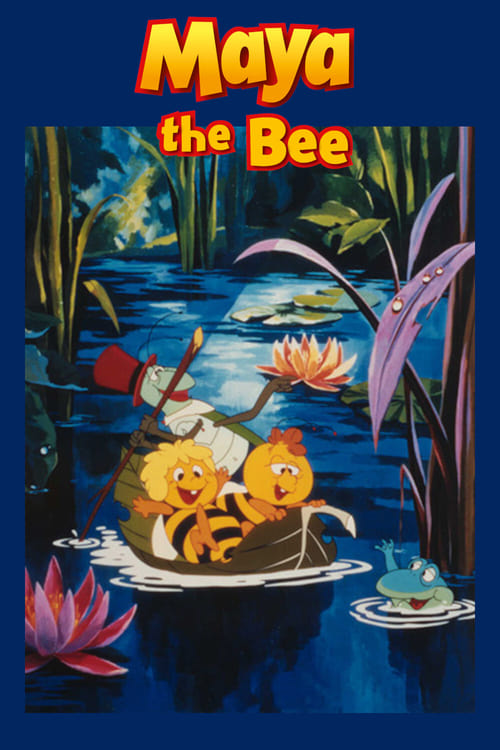
Maya the Bee
The adventures of a young and happy bee who is sent by her queen to search for pollen, and in doing so she finds a new world that surrounds her, making friends with various forest creatures.

Japanese Folklore Tales
"Manga Nippon Mukashibanashi" was a series running from 1975 to 1994 (with a short stop) in japanese tv. Each episode contained 1 to 3 short folk tales from the rich tradition of Japanese storytelling. Ghosts, samurai, goddesses, famous doomed romances, wandering heroes, legendary creatures, mysterious magical visitors... all presented in a simple cartoon style which varies from silly to quite charming.
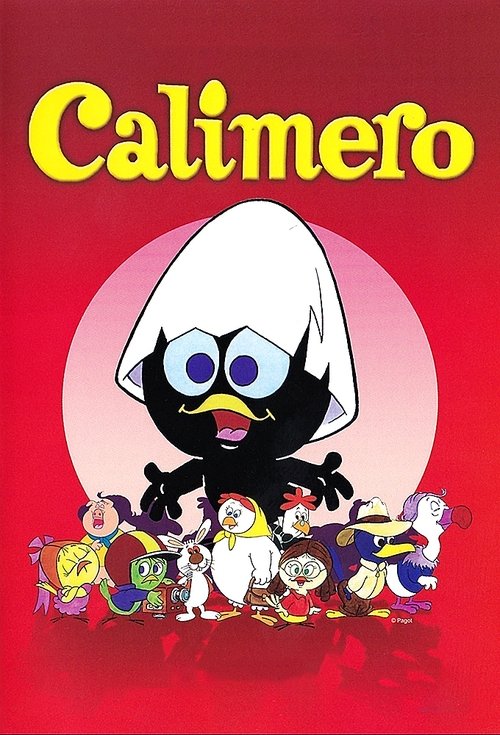
Calimero
Calimero is an Italian/Japanese cartoon about a charming, but hapless anthropomorphized cartoon chicken; the only black one in a family of yellow chickens. He wears half of his egg shell still on his head. Calimero originally appeared on the Italian television show Carosello on July 14, 1963, and soon became a popular icon in Italy. The characters were later licensed in Japan as an anime series, twice. The first was made by Toei Animation and ran from October 15, 1974 to September 30, 1975, and the second, with new settings and characters, was made in 1992. Altogether, 99 Japanese episodes were made. The series mostly consists of the many adventures of Calimero and his friends as they solve mysteries and make documentaries. However, their adventures usually get them into quite a bit of trouble. The first series was also broadcast on European networks such as TROS, ZDF and RTL II or TVE.
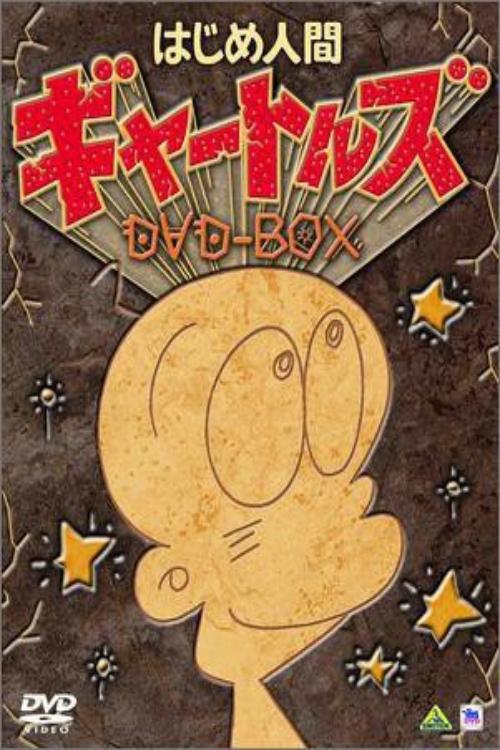
First Human Gatorus
A comedy about the wacky adventures of Giatrus and his tribe of the first human beings on the planet.

Little Meg the Witch Girl
Majokko Megu-chan is a magical girl anime series. The manga was created by Tomo Inoue and Akio Narita, while the 72-episode anime series was produced by Toei Animation between 1974 and 1975. This series is considered an important forerunner of the present day magical girl genre, as the series' characterization and general structure exerted considerable influence over future shows in the same genre. Most notably, several of the show's recurring motifs were recycled in Toei's Sailor Moon, AIC's Pretty Sammy, and Wedding Peach.
 0
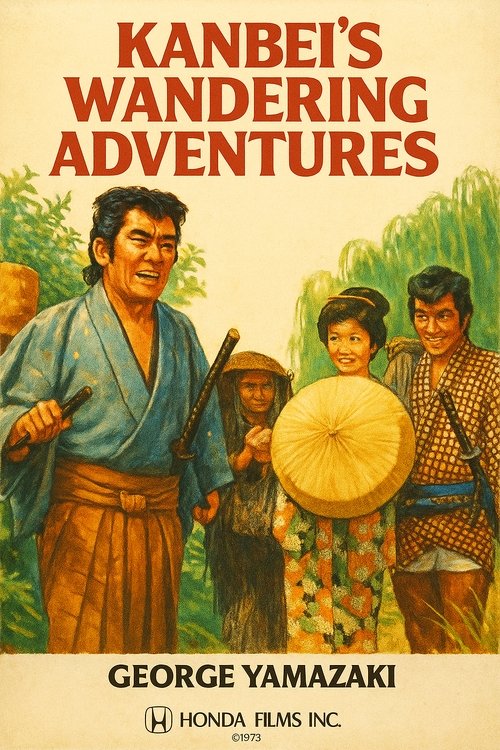
0Kanbei's Wandering Adventures
Kanbei Hamidashi aka Tsukada Kambei was originally a direct retainer and head of a large group but could not fit into the organization and spent his days drinking and fighting. Such a Kambei receives an appointment as a secret inspector from Ometsuke Doi Masatoshi and sets out on a journey around various countries. A town girl Okon (accompanies him as a money watcher while Yoriki Ariga Tozaburo disguises himself as Senda to accompany him as an alcohol watcher. In addition to them, a "poverty god" disguised as a monk follows them as their watcher. Kambei punishes evil wherever he goes on his journey with his troublesome watchers.
 0
0The Bored Samurai
The straightforward samurai of the hatamoto class, Saotome Mondonosuke, who has a crescent-shaped scar on his forehead, is known as the "Boring Samurai" because of his idleness. Whenever any incident occurs, he appears in his flashy attire and punishes the evildoers with his fighting skills....
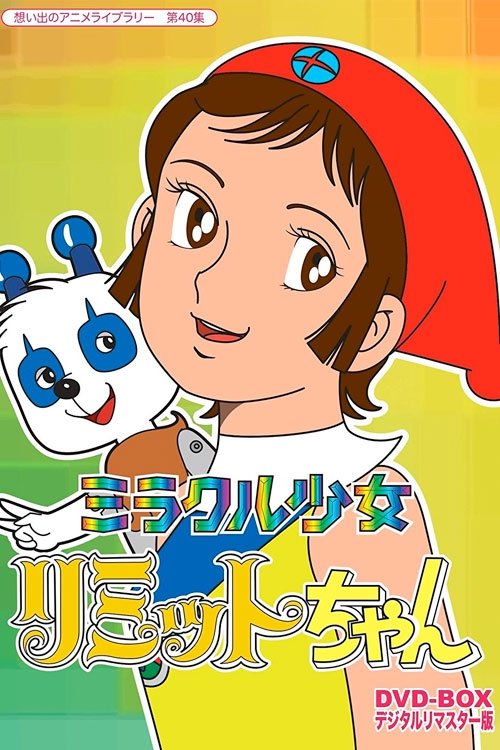
Miracle Girl Limit-chan
Nishiyama Satomi (nicknamed "Limit") is the daughter of Professor Nishiyama. One year she was mortally wounded during a plane crash. Her father was able to revive her, by making her a cyborg. As a cyborg she is gifted with “Miracle Powers” and several different accessories that aid her in solving different problems. Her red beret can be used as a radio to contact her father, and her boots have super speed. She is also able to transform with her pendant. Limit-chan also has a robot pet dog named Guu. Limit keeps her cybernetic powers a secret, as she fears being shunned by society. She keeps to herself, and sometimes keeps distance from others. Her secret is only known by her father and his assistants. In the final episode she reveals her secret to her teachers.
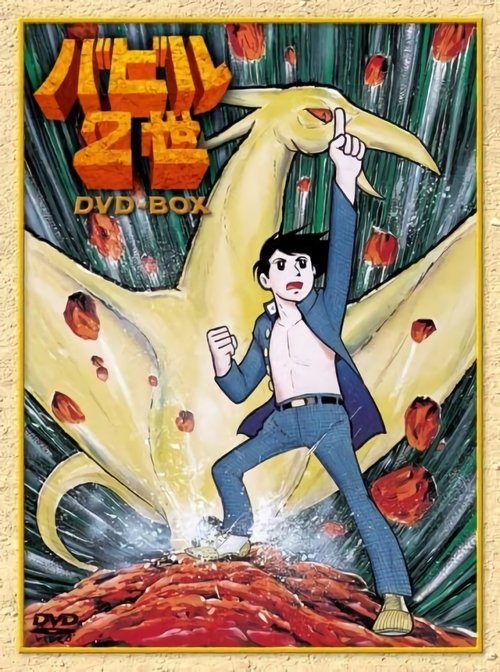
Babel II
Koichi is the Japanese middle-school descendant of a race of extraterrestrials who crash-landed on the Earth 5000 years ago. He has psychokinetic powers which uses to fight the evil Yomi who wants to gain dominance over the world.
 0
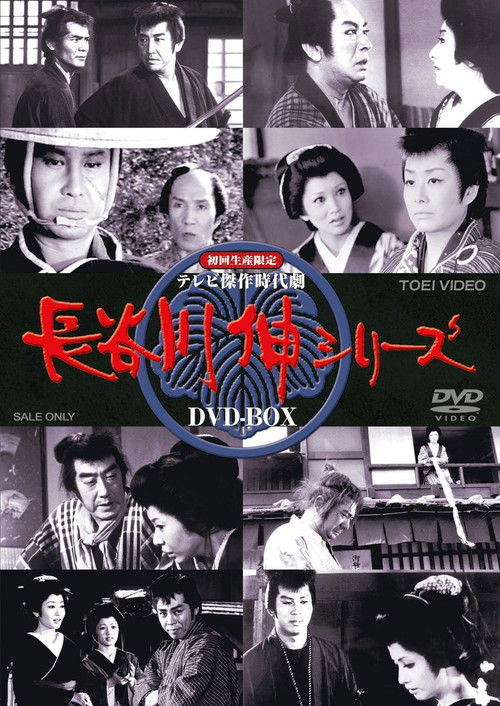
0The Shin Hasegawa Series
From the Taisho era to the Showa 30s, known as the father of popular literature who left many masterpieces and was also a teacher of Shotaro Ikebana and Yumie Hiraiwa, this omnibus work was produced based on the works of Shin Hasegawa and broadcasted from 1972 to 1973 with a total of 30 episodes.
 0
0Hissatsu Series
The Hissatsu series is a long-running prime-time popular television Jidaigeki series about assassins in Japan. Hissatsu Shikakenin is based on Shōtarō Ikenami's novel Shiokinin Fujieda Baian, but its sequels are only inspired by it.